Scottish government sets out AI plans for the next five years
Deputy first minister Kate Forbes says the aim is to establish Scotland as a world leader in the technology


-
 NCSC talks up agents for cyber defense – but there's an 'inconvenient truth' businesses need to accept
News Cyber defenders need to identify the lowest-risk actions that can be automated before making decisions about adoption
-
 Huawei reiterates its commitment to open source standards at Connect 2026
News The Chinese IT giant is the latest to declare open source a key element of AI


-
 Cloudflare launches new partner initiative to support AI and SASE adoption
News The vendor has unveiled a new partner designation alongside an AI-powered deployment toolkit designed to simplify security platform migrations
-
 Anthropic suspends Fable and Mythos systems "for all users" after US government claims jailbreak risk
News Despite complying with the government, Anthropic suggests it's only a "potential narrow, non-universal jailbreak"
-
 UK and Japan to collaborate on frontier technologies
News The Frontier Technology Partnership (FTP) will include the development of quantum technologies and closer cooperation on AI semiconductors
-
 British public deeply fearful of AI – with one-in-five even thinking it will lead to civil unrest
News Research by King's College London suggests people think AI's impact will be worse than a normal recession
-
 Are AI tools making us less intelligent?
News Growing reliance on AI tools that provide instant answers could be eroding skills, GoTo report warns
-
 Pope Leo launches AI commission over concerns that people will turn into “passive consumers of unthought thoughts and anonymous products without ownership or love"
News With a new encyclical expected to focus on the technology, the Pope is concerned about its effects on human dignity
-
 Mistral CEO calls for AI cultural levy
News Foreign AI firms should pay for European content, says Arthur Mensch – and the European Commission is tending to agree
-
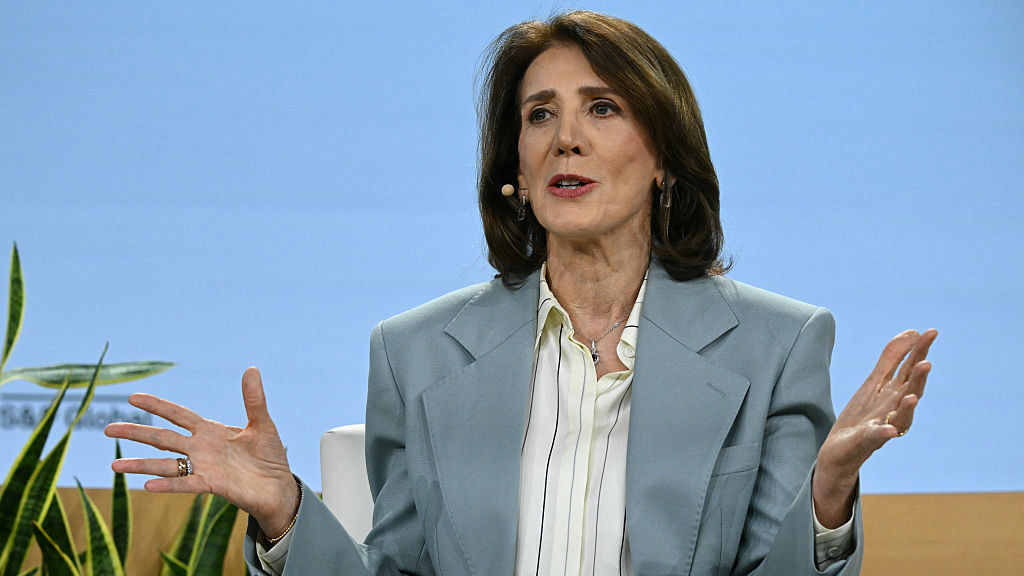 Google: we need more energy for AI
News Alphabet president calls for US to step up power generation to feed her company's AI ambitions


