Half of agentic AI projects are still stuck at the pilot stage – but that’s not stopping enterprises from ramping up investment
Organizations are stymied by issues with security, privacy, and compliance, as well as the technical challenges of managing agents at scale


-
 TrendAI targets open weight model gains with Nvidia Nemotron deal
News The firm said the move allows customers to run AI-driven security entirely on infrastructure they control
-
 88% of UK firms have had an 'agentic security incident' in the last year
News Concerns are growing over the scale of adoption and an inability to match “machine-speed” capabilities


-
 Microsoft wants to tackle the biggest issue for UK AI adoption: confidence
News UK and Ireland CEO Darren Hardman says it's our responsibility to get AI into every corner of the UK
-
 AI agents have a mind of their own – and that’s a problem for businesses
New research shows that half of organizations are having to deal with agent behaviour that hasn't been authorized or approved.
-
 Huawei is positioning itself as a viable alternative to big US tech companies. Can it pull it off?
Opinion With Nvidia and AMD excluded from the Chinese AI market, Huawei is building a powerful reputation at home and abroad
-
 “Enterprises are becoming much more rigorous about the economics of AI”: Snowflake wants to help you cut AI costs by choosing the right model for the right task
News New dynamic model routing capabilities aim to help customers box clever when it comes to their AI model choice
-
 Microsoft has joined the growing list of companies cracking down on ‘tokenmaxxing’
News The company is updating internal guidance to reduce rising costs
-
 ‘AI cost management has the same problems that cloud had’: Enterprises are still facing huge AI bills thanks to ‘tokenmaxxing’ – that means FinOps practices are more important than ever
News With firms facing surging AI bills, FinOps techniques are more important than ever
-
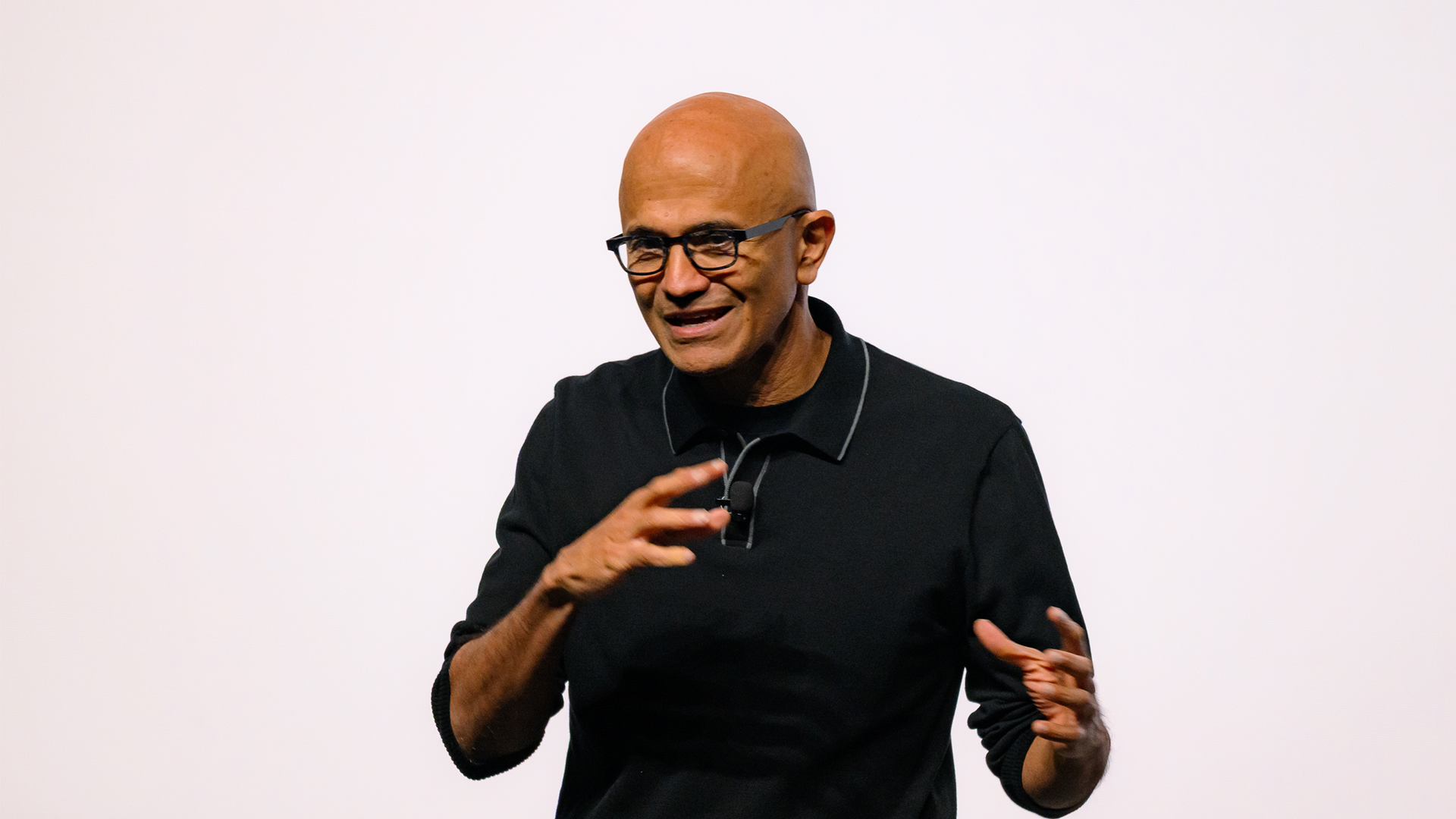 ‘We are now seeing MAI models outperform general-purpose frontier models’: Microsoft CEO Satya Nadella touts in-house models to cut spiralling AI costs – and reduce growing reliance on frontier labs
News The Microsoft chief says pricey frontier models don't have to be used for every task, and its own in-house MAI models could be the key to reducing costs.
-
 3 ways to get your data AI-ready
Sponsored Data placement, preparation, and orchestration make or break an AI project – and the Dell AI Data Platform reduces the strain on enterprise IT teams across both storage and the data foundation


