Sam Altman says ‘no thank you’ to Musk's $97bn bid for OpenAI
Altman took to social media to reject the deal, sparking a war of words with Musk


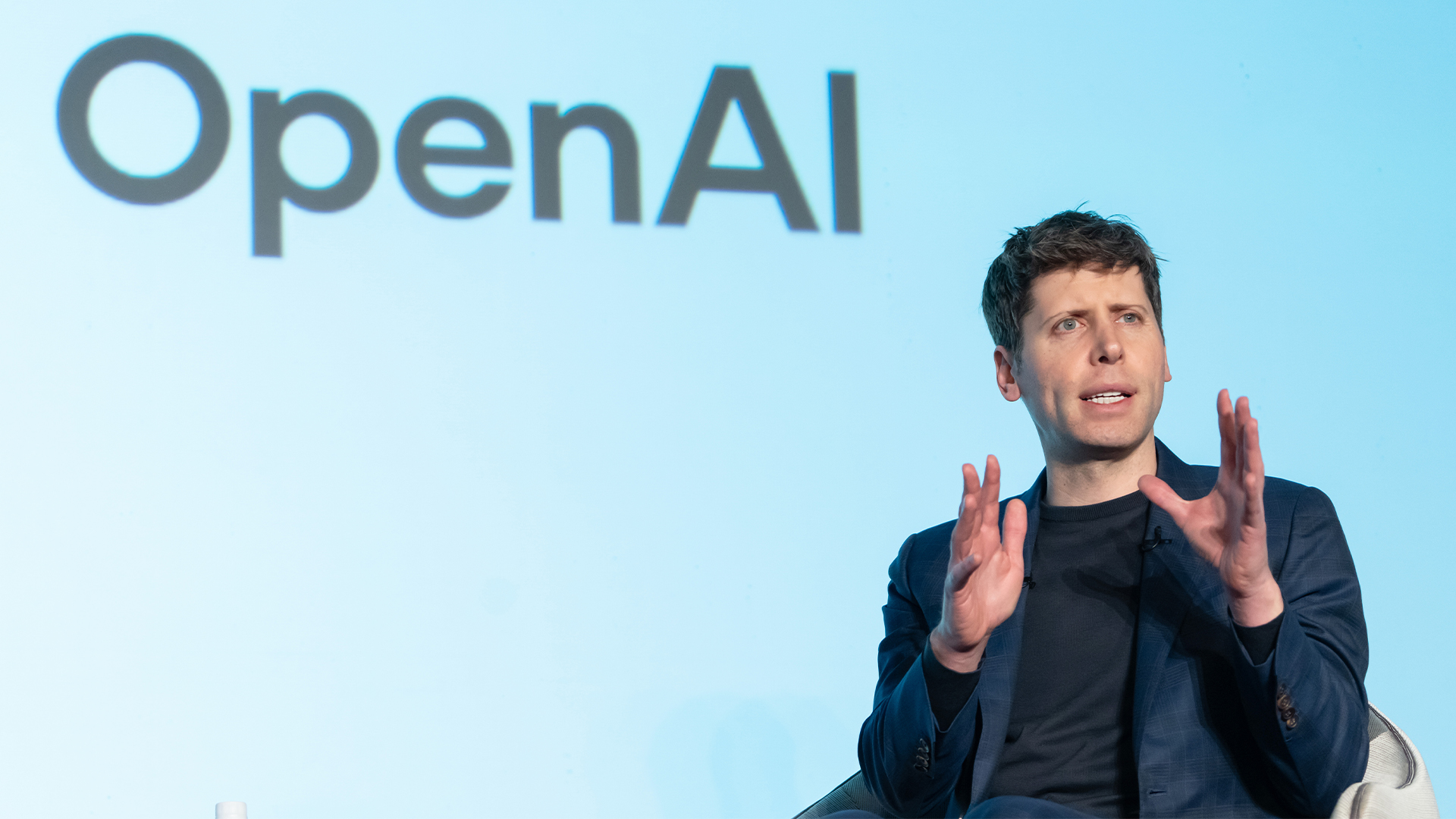
OpenAI's directors have refused a buyout offer of $97.4 billion from a group of investors led by Elon Musk.
The bid follows a years-long feud between Musk and OpenAI, which he initially co-founded and helped to fund in its infancy, with particular animosity reserved for CEO Sam Altman.
OpenAI has recently shifted away from its non-profit roots towards a public benefit corporation, designed to gather enough investment to fund its development work.
Musk has disputed the move, saying his initial investment was for a charity, not a for-profit.
The offer of more than $97bn was revealed last night in reports from the Wall Street Journal. OpenAI was valued at $157 billion during its latest funding round last year, and reports suggest a current funding round now values the company at $300bn.
Led by Musk and his own AI startup, xAI, the bid was also backed by private equity firms including Baron Capital Group and Valor Management. The attorney representing the consortium of investors said they were willing to "consider matching or exceeding" any higher bids.
"If Sam Altman and the present OpenAI board of directors are intent on becoming a fully for-profit corporation, it is vital that the charity be fairly compensated for what its leadership is taking away from it: control over the most transformative technology of our time," said Musk's attorney, Marc Toberoff, who is acting on behalf of the consortium.
"As the co-founder of OpenAI and the most innovative and successful tech industry leader in history, Musk is the person best positioned to protect and grow OpenAI's technology," said Toberoff.
What's the motivation behind Musk's offer?
Musk said the bid sought to bring OpenAI back to an open source model, following OpenAI's controversial shift into a for-profit company.
"It's time for OpenAI to return to the open-source, safety-focused force for good it once was. We will make sure that happens," Musk said in a statement.
Musk was one of the initial co-founders of OpenAI back in 2015, helping to fund it and claiming to have come up with the name. But he severed ties with the company three years later and founded xAI in 2023.
The Tesla and SpaceX chief exec first sued OpenAI in February last year, dropping the suit in the summer before filing a new lawsuit in August.
These suits targeted OpenAI for shifting away from its original non-profit structure, with Toberoff stating at the time that the lawsuit was designed to burst OpenAI and Sam Altman's "hot-air philanthropy".
The suit specifically criticized OpenAI's long-running deal with Microsoft.
After the first lawsuit, OpenAI published emails sent from Musk during the company's founding, which made it clear he understood the need for money coming in to pay for computing necessary to build AI.
More recently, the pair have been sniping at each other via social posts about US plans to build a new generation of data centers to power AI, an initiative announced by President Trump as "Stargate".
Reports have suggested the plans are as yet unfunded, with Musk suggesting it was "falling apart before it even starts."
RELATED WHITEPAPER

That may come as a surprise given Musk's role in the US government at the moment, but Stargate plans actually precede Trump's government and heavily involve Altman, with reports suggesting the initial data centers are intended entirely for OpenAI use.
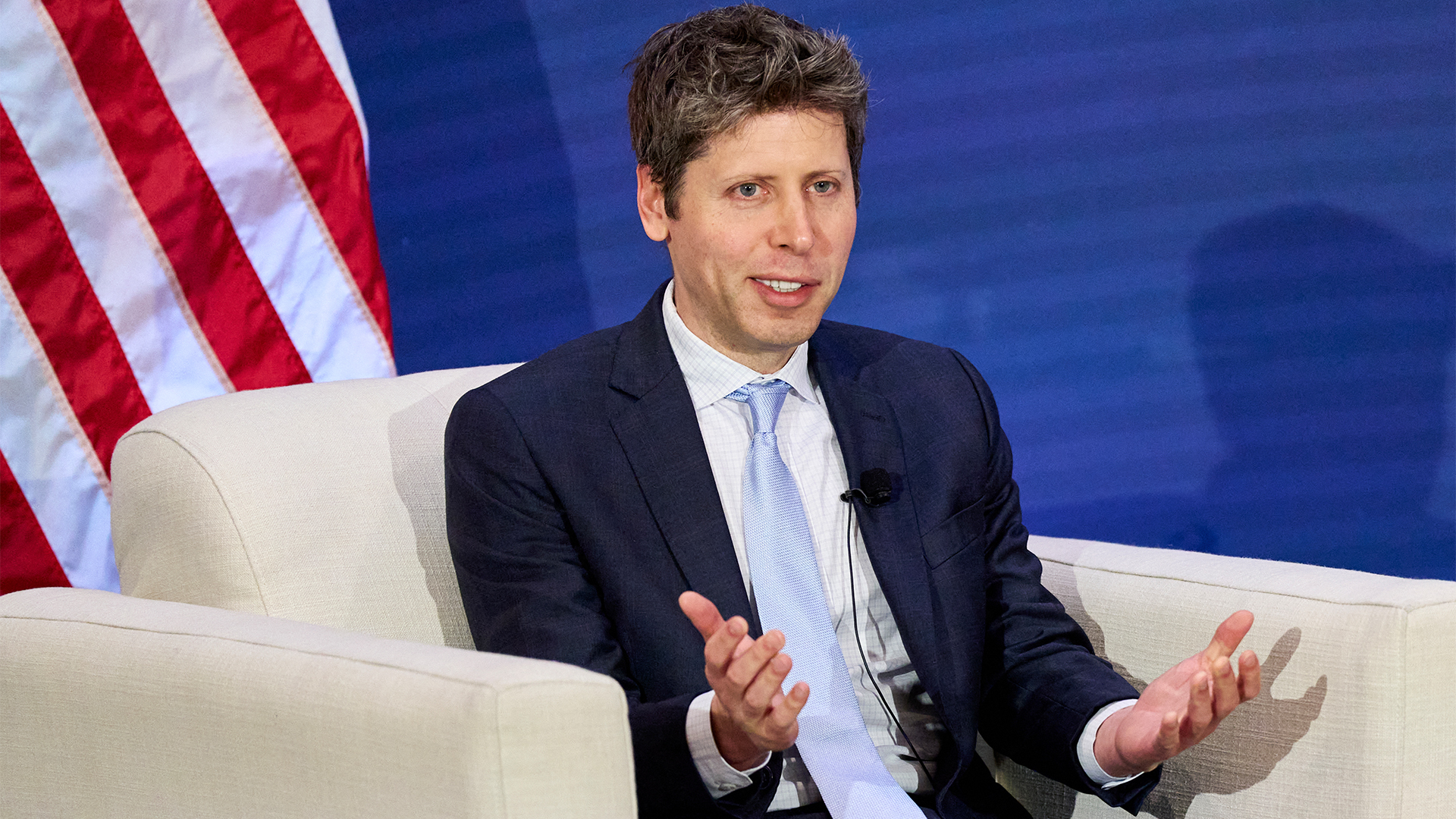
The two CEOs quickly took to social media to extend their feud. In response, OpenAI CEO Sam Altman posted on X: "No thank you but we will buy twitter for $9.74 billion if you want."
MORE FROM ITPRO

-
 5 reasons every AI team needs a deskside agentic AI accelerator like the Dell Pro Max with GB10
Sponsored The Dell Pro Max with GB10 can help enterprises kickstart and scale their agentic AI adoption journey
-
 10 reasons to choose the Dell Pro 5 for your business
Sponsored The Dell Pro 5 laptop is a productivity powerhouse, hitting the sweet spot businesses like yours


-
 OpenAI says some researchers are blowing through $7,000 in AI tokens every day – but it’s a price the company appears willing to pay
News OpenAI has revealed that researchers now spend around $600 each day on AI tokens amidst a surge in agentic coding. Some, meanwhile, are using upwards of $7,000 worth of tokens per day.
-
 Six things OpenAI learned about AI from the Hugging Face incident
News OpenAI's report into AI going rogue reveals efforts at cheating and communicating — but also some well-behaved bots
-
 OpenAI forges closer ties with IBM in enterprise push
News The duo will combine OpenAI models and products with IBM Consulting expertise
-
 AI testing firm Irregular the source of ‘misconfigurations’ that led to Meta, OpenAI, and Anthropic AI incidents
News The “frontier security lab” has been referenced in multiple cyber incident statements
-
 ‘Chat is dead’: OpenAI plots ChatGPT ‘super app’ overhaul ahead of public listing – with agents and coding tools the new focus
News The company looks set to spruce up ChatGPT with a particular focus on agents to drive subscriptions
-
 ‘The jobs picture is likely to be very different than we thought’: Sam Altman pours cold water on AI 'jobs apocalypse' claims – but that doesn’t mean there won’t be some workforce disruption
News OpenAI CEO Sam Altman “thought there would have been more impact” on white collar and entry-level jobs at this point
-
 Four things you need to know about OpenAI’s new workspace agents for ChatGPT – including how to build your own
News New ‘workspace agents’ from OpenAI will automate tasks for workers and can be customized for specific roles
-
 OpenAI says AI tools are paying dividends for small businesses, but uptake is sluggish in several UK regions
News While some small businesses are seeing big benefits, many don't use AI at all


