Web 2.0 to change business?
The speed and flexibility of so-called Web 2.0 tech is forcing enterprises to evolve, according to a new report.
Consumer- and user-focused technology is affecting the way business IT operates, according to a new report by the Butler Group.
The focus on Web 2.0 which usually contains such innovations as blogs, social media and podcasts is leading to increasingly quick, flexible and innovative technology, even in more staid environments like enterprise IT.
While much of these online innovations are consumer focused, they are leading to changes in how businesses operate. "The ideas, concepts, tools, and technologies behind consumer-oriented social networking software are being re-shaped and re-modelled for enterprise use," said Mike Thompson, director of Butler Group's business process management practice.
Indeed, the focus on user experience is leading to an increase in service oriented architecture (SOA) and virtualisation, as well as mobile working and communications, the report said.
"The social aspects of Web 2.0 are mirrored in the corporate world of Enterprise Web 2.0. Workforce mobility and changing communication patterns are two more trends that are driving change at the infrastructure layer," said Mark Blowers, director of Butler's enterprise architectures practice. "As such, unified communication and collaboration requirements are an important part of Enterprise 2.0 strategies."
And businesses had better keep this in mind when planning their IT, warned Richard Edwards, information management practice director at Butler Group and co-author of the report.
"The driving force behind every aspect of Enterprise Web 2.0 is the experience of the end user, whether that be employee, customer, partner or stakeholder," he said. This means that all organisations must reassess their IT strategies in view of this clear and distinct shift in direction."
Sign up today and you will receive a free copy of our Future Focus 2026 report - the leading resource for IT decision-maker insight on priorities and investment areas in AI, security and more.
Freelance journalist Nicole Kobie first started writing for ITPro in 2007, with bylines in New Scientist, Wired, PC Pro and many more.
Nicole the author of a book about the history of technology, The Long History of the Future.
-
Critical capabilities for full Life Cycle API ManagementWhitepaper Software engineering leaders should use this research to assess and compare the capabilities of 17 products across five use cases.
-

Magic Quadrant for Full Life Cycle API ManagementWhitepaper Assessing vendors in the fast-evolving full life cycle API management market to help software engineering leaders pick the right one
-

A buyer’s guide to board management softwareWhitepaper Improve your board’s performance
-
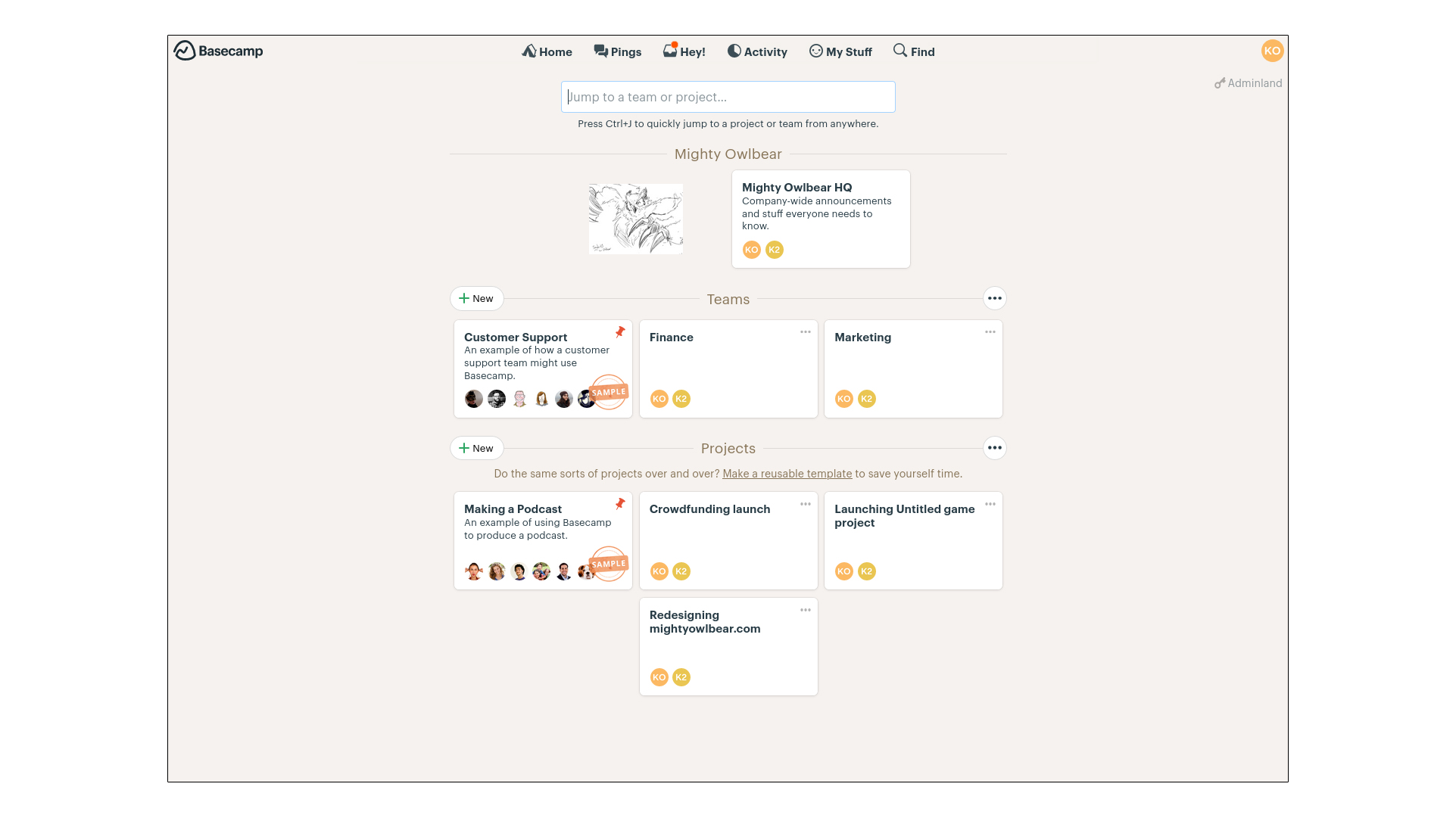
Basecamp 3 review: More molehill than mountainReviews Basic project management and collaboration tools wrapped into a tidy web and mobile interface
-

Twilio appoints Google Hangouts innovator as chief product officerNews Chee Chew will lead the company's relationship with developers, helping them create customer experiences
-
Matchmaking in the workplace: How online dating can improve team effectivenessIn-depth Saberr founder Alistair Shepherd believes that online dating can change the way offices work
-
The apps are coming to get you!In-depth Inside the Enterprise: A combination of BYOD and legacy software is bringing firms' applications strategy to breaking point, a consultancy argues.
-

Google urges businesses to get mobileNews The launch of Get Mo encourages companies to make their websites mobile and attract more customers to their brands.