

-
 Boards are worried about data leak mishaps, but unwilling to invest in cyber training
News Report shows leaders are putting spending behind cloud and AI while neglecting security training
-
 The rack is the unit of compute
How GIGABYTE’s GIGAPOD NVIDIA Vera Rubin NVL72 turns 240 kilowatts (kW) of liquid-cooled infrastructure into a turnkey blueprint for agentic AI


-
 Qualcomm and Amazon team up on AI chip development, optical networking
News The duo will work on multiple generations of customized silicon to build out Amazon's AI infrastructure
-
 Multi-cloud with AWS and Azure just got a whole lot easier thanks to a new interconnect service
News Azure Multicloud Interconnect for AWS offers a fully managed private connection and is claimed to dramatically simplify the process
-
 Airbus announces cloud deal with Scaleway in digital sovereignty push
News The move by Airbus comes amidst growing concerns about digital sovereignty and the influence of US-based hyperscalers
-
 AWS says cloud market gatekeeper designation risks ‘deterring European investment and innovation’ as EU regulators plot competition crackdown
News Gatekeeper designation under the legislation would force AWS and Microsoft to make concessions
-
 The AWS outage explained: What happened, who was impacted, and what services are back online?
News Overheating at a single data center has been identified as the cause of the AWS outage, which impacted customers such as Coinbase
-
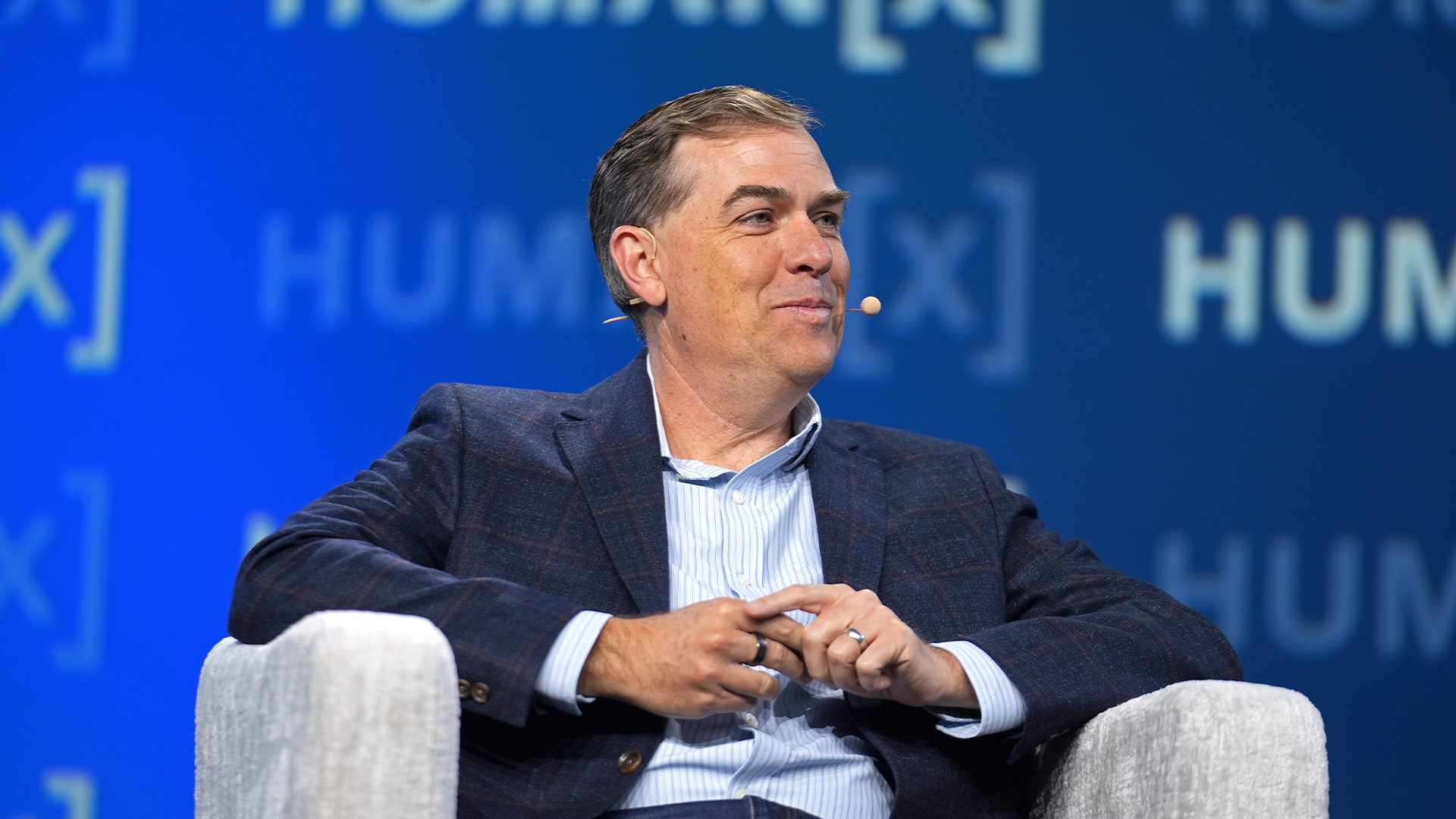 AWS CEO Matt Garman is bullish on the future of SaaS — Amazon Quick shows there’s a ‘great business opportunity’ with AI-powered software
News Matt Garman said fears over the ‘SaaSpocalypse’ were overblown in February, now AWS is making big moves in the SaaS space
-
 Big tech earnings: Hyperscaler growth rates impress, but concerns remain over surging infrastructure capex
News Concerns remain over big tech infrastructure spending despite positive earnings reports
-
 Microsoft, Amazon cloud practice changes spark mixed industry reaction
News Concerns have been raised over the voluntary actions agreed to by Microsoft and Amazon


