Assange allowed to continue extradition fight
Assange won't have his hearing in the Supreme Court, but it will look into the case.
WikiLeaks founder Julian Assange has been given permission to petition the UK Supreme Court as he bids to avoid extradition to Sweden.
Assange is wanted for questioning in his home country, after two female former WikiLeaks volunteers accused him of sexual assault during their time with the organisation in August 2010.
The WikiLeaks chief could have been sent home within 10 days if he had not been granted some leeway after his hearing today. Although judges denied Assange permission to have an appeal heard at the Supreme Court, he can ask the court to look at the case.
The long struggle for justice for me and others continues.
Judges concluded his case raised "a question of general public importance."
"I think that is the correct decision and I am thankful. The long struggle for justice for me and others continues," the BBC quoted Assange as saying.
Assange denies the accusations, claiming the allegations are politically motivated. WikiLeaks upset various Governments after releasing classified communications documents in 2010.
Sign up today and you will receive a free copy of our Future Focus 2026 report - the leading resource for IT decision-maker insight on priorities and investment areas in AI, security and more.
If the Supreme Court denies Assange a hearing, he could take his case to the European Court of Human Rights in Strasbourg.
He is currently residing at the country house of a supporter in eastern England, having been released on bail late last year.
MPs are currently looking into extradition legislation in the UK, following high-profile cases such as the one surrounding Gary McKinnon.
The insider threat
The man accused of handing over documents to WikiLeaks, Bradley Manning, is due in court this month.
Manning, a 23-year-old US army analyst, has been in military custody in the US since May 2010, but reports of mistreatment have received negative attention across the globe.
It was alleged Manning had been held in solitary confinement for 23 hours a day during his time in prison at Wuantico, Virginia, without clothing or bedding.
Last week, over 60 members of the European Parliament sent an open letter to President Barack Obama, asking him to allow Manning to meet the UN's special rapporteur on torture Juan Mendez.
"We have questions about why Mr Manning has been imprisoned for 17 months without yet having had his day in court. We are troubled by reports that Mr Manning has been subjected to prolonged solitary confinement and other abusive treatment tantamount to torture," the letter read.
"And we are disappointed that the US government has denied the request of the United Nations special rapporteur on torture to meet privately with Mr Manning in order to conduct an investigation of his treatment by US military authorities."
Tom Brewster is currently an associate editor at Forbes and an award-winning journalist who covers cyber security, surveillance, and privacy. Starting his career at ITPro as a staff writer and working up to a senior staff writer role, Tom has been covering the tech industry for more than ten years and is considered one of the leading journalists in his specialism.
He is a proud alum of the University of Sheffield where he secured an undergraduate degree in English Literature before undertaking a certification from General Assembly in web development.
-
TfL takes Oyster photocard systems offline following breachNews Security experts warn the Oyster photocard breach could lead to follow-up attacks on victims
-

Irish credit unions hit by data breach after IT provider compromisedNews Wellington IT reportedly delayed alerting customers by multiple weeks
-

EU can't afford sovereign cloud, research claimsCiting costs that it claims have been overlooked, CCIA Europe is predicting a €115 billion bill.
-
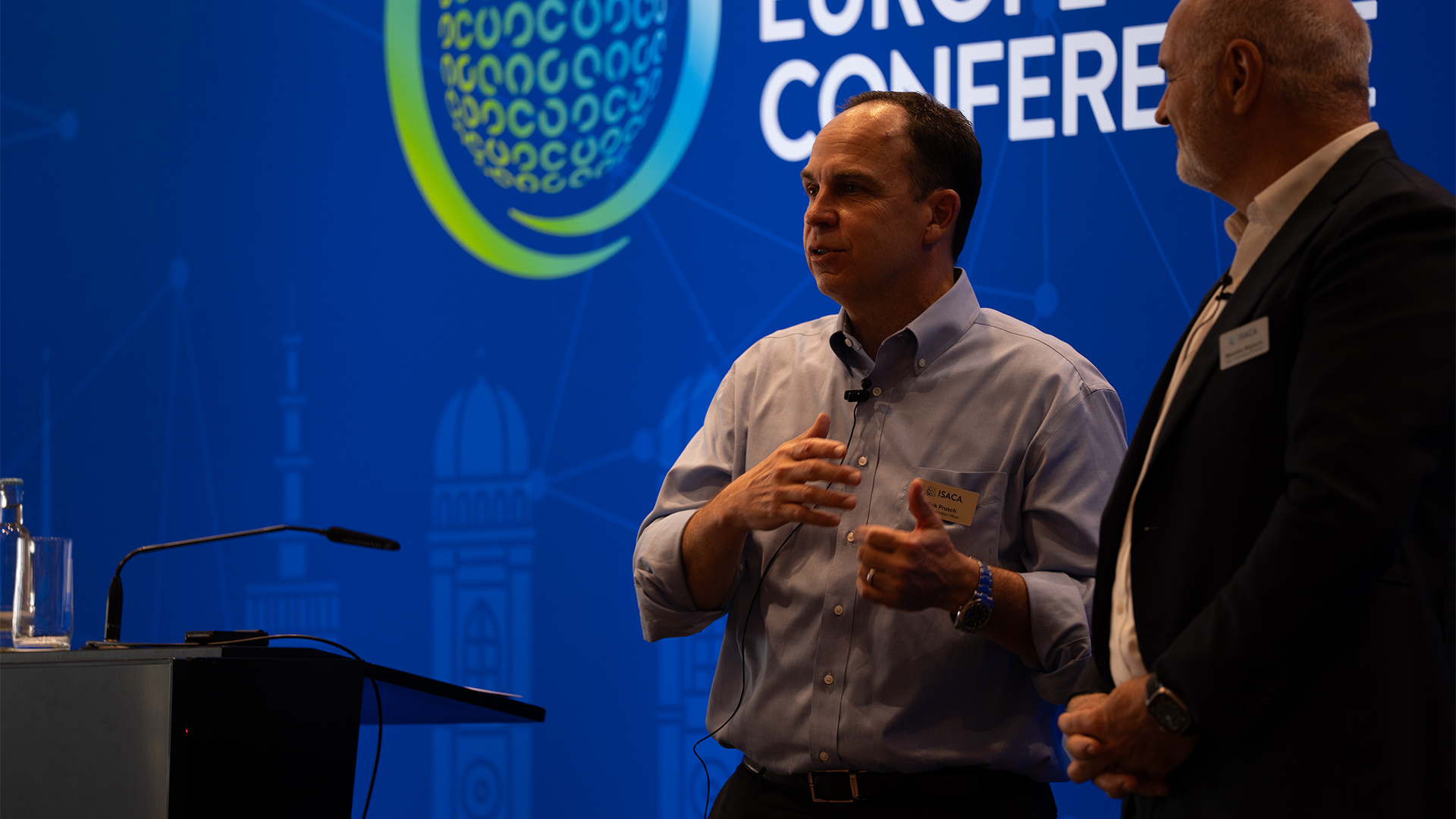
ISACA CEO says AI compliance will be like 'SOX on steroids'News Businesses will need to do far more work in far less time to meet stringent regulations
-

Three things you need to know about the new EU AI Act rulesNews From this week, organizations operating in the EU have a new set of obligations around AI content and transparency
-

Startup founders lament 'regulatory friction' despite EU simplification effortsNews Entrepreneurs are spending a fortune on compliance, and it’s forcing some to consider relocating
-

AWS says cloud market gatekeeper designation risks ‘deterring European investment and innovation’ as EU regulators plot competition crackdownNews Gatekeeper designation under the legislation would force AWS and Microsoft to make concessions
-

‘Reducing reliance on foreign tech infrastructure is key’ to European tech success – and its survivalNews MEPs have once again called for decreased reliance on foreign tech infrastructure
-
Trade groups claim EU’s Digital Networks Act risks “favoring the interests of outdated telecom monopolies”News The European Commission has set out its proposals to boost the EU's connectivity, to some criticism from industry associations
-

EU lawmakers want to limit the use of ‘algorithmic management’ systems at workNews All workplace decisions should have human oversight and be transparent, fair, and safe, MEPs insist
