
Microsoft ditches passwords for Windows 10 S in test run
Microsoft is considering biometric options amongst others
Microsoft is running a test version of a Windows 10 S that discards the use of conventional passwords altogether, opting for biometric and other authentication options instead.
Windows 10 S, which is reportedly shifting from a fully-fledged OS to being embedded within the Windows 10 Pro and Home versions, is using alternative techniques to make the process of logging in more secure.
These include mobile authentication, where a one-use code is generated by an app, and FIDO keys that allow USB devices to carry out authentication. Biometric options such as facial recognition and fingerprint scanning are also included.
Microsoft lamented passwords as "inconvenient and insecure" and has explained that with the Authenticator App, a PC running Windows 10 S could be set up without the need for a password.
The software giant has also incorporated basic privacy measures, including being able to delete data gathered by the Diagnostic Data Viewer, which was installed by the Windows Insider Build 17983.
The latest Insider Preview updates from Redmond further signals a new era where access and security are more tightly interwoven than before. Companies are aware that users, forced to remember lists of passwords and therefore set themselves easy ones, are vulnerable to hacking through password theft.
The shift to using different forms of authentication such as biometric measures, including fingerprint scanners and facial recognition, is being increasingly recognised by many tech companies as an effective way of maintaining personal online security for the average user.
Sign up today and you will receive a free copy of our Future Focus 2026 report - the leading resource for IT decision-maker insight on priorities and investment areas in AI, security and more.
This update the follows Microsoft's rumoured plans to drop Windows 10 S as a standalone product, which it initially envisioned competing with Google's Chrome OS that power Chromebooks.
-
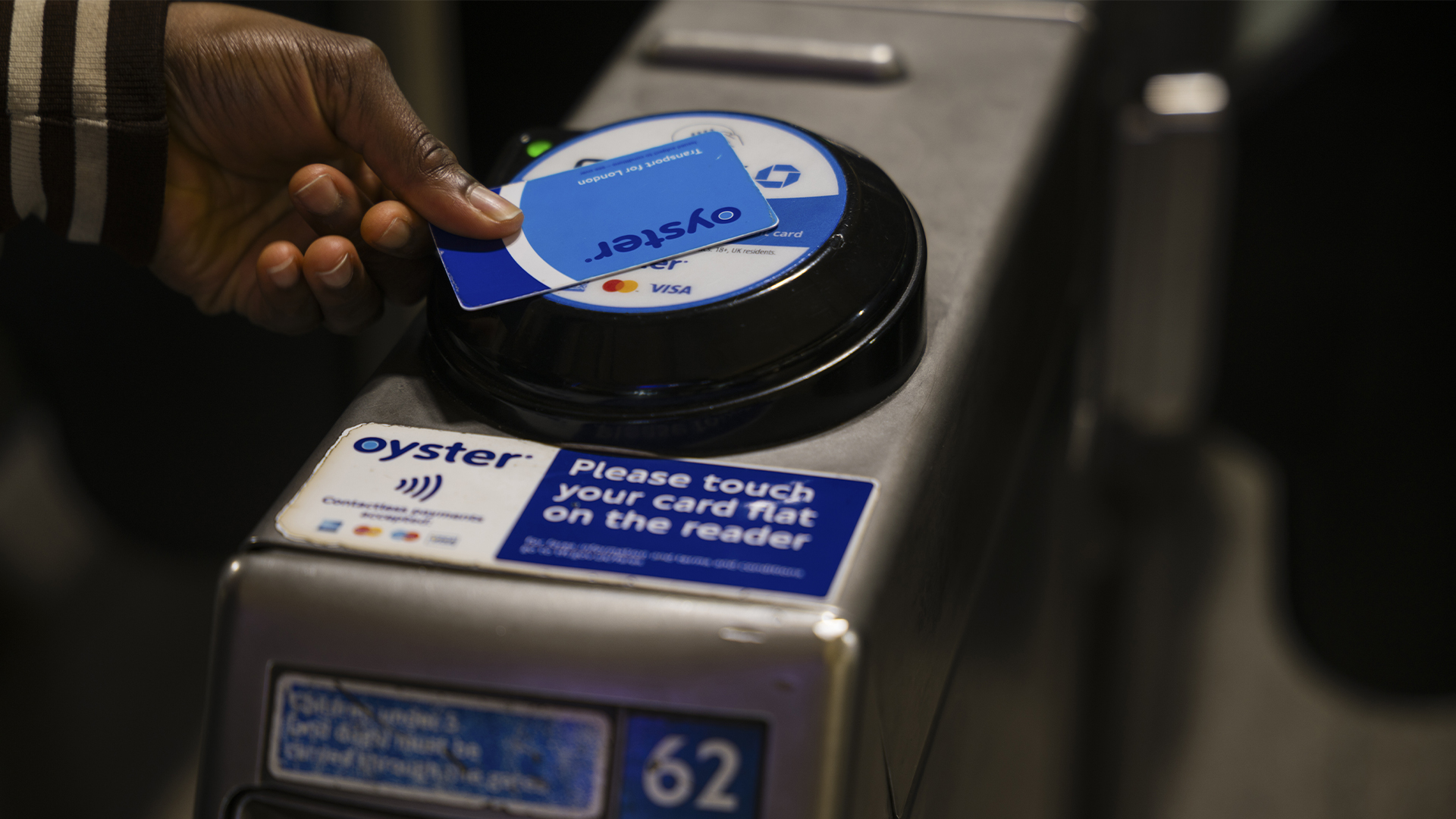
TfL takes Oyster photocard systems offline following breachNews Security experts warn the Oyster photocard breach could lead to follow-up attacks on victims
-

Irish credit unions hit by data breach after IT provider compromisedNews Wellington IT reportedly delayed alerting customers by multiple weeks
-

1Password teams up with Anthropic to give Claude access to your credentialsNews A new ‘zero-exposure’ security framework allows agents to use stored credentials in the 1Password vault
-
We need to do something about passwordsPasswords are a fundamental aspect of access security, but recent password leaks have undermined their ability to protect data
-
The NCSC says it’s time to switch to passkeysNews UK security organization calls for companies to step up and offer more secure ways to login
-
AI agents are creating new identity security risks: 1Password wants to solve thatNews The Unified Access system from 1Password will help enterprises manage AI agent access across different devices and users
-
Using AI to generate passwords is a terrible idea, experts warnNews Researchers have warned the use of AI-generated passwords puts users and businesses at risk
-
Researchers called on LastPass, Dashlane, and Bitwarden to up defenses after severe flaws put 60 million users at risk – here’s how each company respondedNews Analysts at ETH Zurich called for cryptographic standard improvements after a host of password managers were found lacking
-

Thousands of exposed civil servant passwords are up for grabs onlineNews While the password security failures are concerning, they pale in comparison to other nations
-
Passwords are a problem: why device-bound passkeys can be the future of secure authenticationIndustry insights AI-driven cyberthreats demand a passwordless future…