BYOD hailed as answer to enterprise Windows XP upgrade woes
Ernst & Young IT security expert urges firms to consider BYOD as a way off Windows XP.
Businesses stuck using Windows XP beyond the 8 April end-of-support deadline should consider going down the BYOD route for IT security purposes.
That's according to Mark Brown, director of information security at advisory firm Ernst & Young, who claims a Bring Your Own Device approach to Windows XP upgrades would allow end users to leave the aged operating system behind faster.
"BYOD potentially offers a fast track to upgrading outdated systems as employees, who tend to be using new operating systems at home, can thus increase the levels of protection provided to a business IT system," said Brown.
"However, this will bring new challenges and risk as it moves away from safer, traditional enterprise IT platforms," he conceded.
Microsoft has been urging enterprise users for several years to prepare themselves for the fact Windows XP will be exiting extended support on 8 April 2014.
This means XP users will no longer benefit from security or software updates for their systems, which could potentially leave them at the mercy of hackers, viruses and performance issues.
"Hackers will use this as an opportunity to take advantage of those organisations that have not got their house in order'," warned Brown.
Sign up today and you will receive a free copy of our Future Focus 2026 report - the leading resource for IT decision-maker insight on priorities and investment areas in AI, security and more.
"Far too many businesses are asleep at the wheel over this issue and this could mean valuable consumer data could be at risk."
According to the latest figures from NetMarketShare, Windows XP is still found on just under 30 per cent of the world's desktop devices.
As a result, Brown called on the Government to do more to encourage businesses to take the prospect of XP being out of support more seriously.
"Given the scale and significance of the threat, we want to see UK government doing more to tackle this problem and raise awareness amongst business leaders of the risk imperative of cyber security," said Brown.
"With only a month to go we now really need to see urgent action being placed onto establishing the business case to upgrade to newer operating systems such as Windows 7 or 8."
Caroline Donnelly was the news and analysis editor of IT Pro. Previously, she worked as a reporter at several B2B publications, including UK channel magazine CRN, and as features writer for local weekly newspaper, The Slough and Windsor Observer. She studied Medical Biochemistry at the University of Leicester and completed a Postgraduate Diploma in Magazine Journalism at PMA Training in 2006.
-
Why is Windows 11 so disliked by programmers – and can Microsoft do anything to change things?In-depth Windows isn't the most useful OS in the eyes of developers, with programmers preferring macOS or Linux. But is its bad reputation uncalled for?
-

AI is coming to Ubuntu: Canonical exec teases future AI features and agentic workflow capabilities for version 26.10 — but on a ‘strictly opt-in basis’News A range of new AI features are coming to Ubuntu over the next year, according to maintainers, but only providing they’re of “sufficient maturity and quality”.
-
Windows 10 extended support costs could top $7 billionNews Enterprises sticking with Windows 10 after the October deadline face huge costs
-

The days of bringing your own device to work could be coming to an endNews Security concerns are prompting a rethink of ‘bring your own device’ policies
-
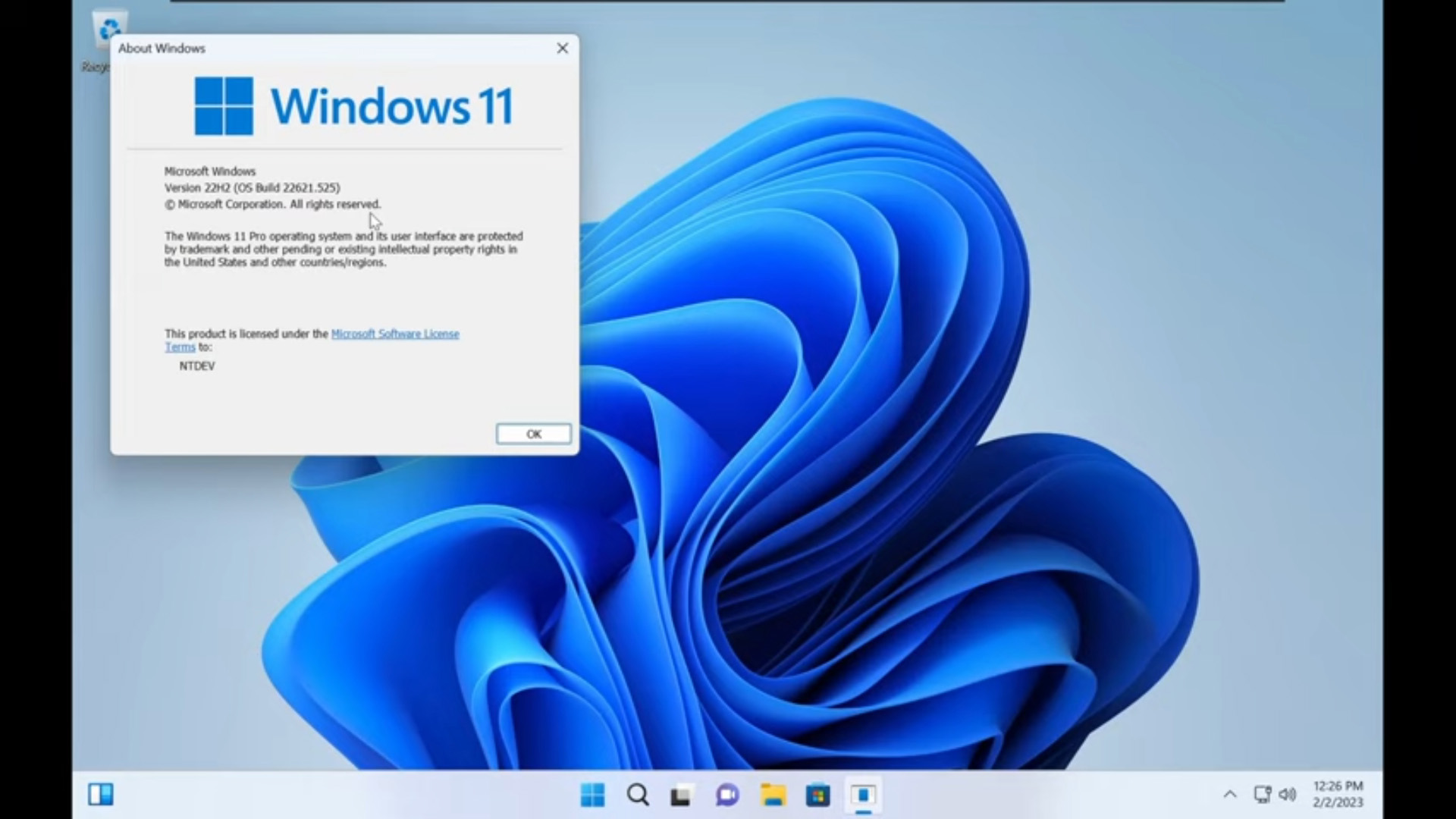
Tiny11 review: Windows 11 with only 2GB of RAMReview A version of Windows 11 for older machines that don't meet the full requirements
-
Red Hat Enterprise Linux becomes foundational operating system for Cohesity Data CloudNews New strategic partnership between Red Hat and Cohesity aims to drive innovation in the data security and management space
-
Ubuntu shifts to four-week update cycleNews Critical fixes will also come every two weeks, mitigating the issues involved with releasing prompt patches on the old three-week cadence
-

AlmaLinux follows Oracle in ditching RHEL compatibilityNews Application binary compatibility is now the aim with 1:1 now dropped