BYOD policies in local government explored
Some local governments are further ahead than others with BYOD, research finds
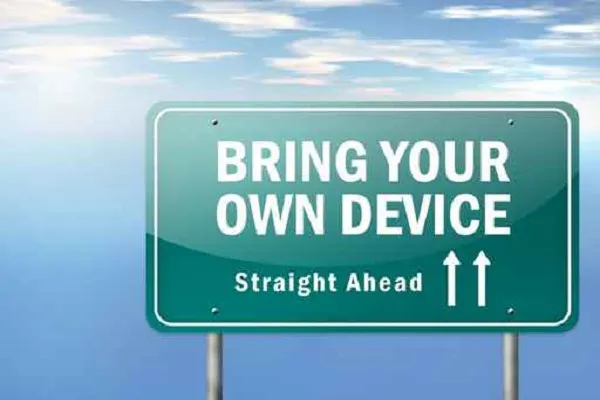
A new report has investigated the use of Bring Your Own Device (BYOD) initiatives in local government, discovering they could do a lot better.
In fact, only five out of 14 of the London boroughs surveyed in the report had BYOD schemes.
Camden led the charge by far, with 252 personal devices activated on the network, most of which were iPhonea. However, this still only represents four per cent of the entire organisation.
The borough has increased the take up of its scheme too - only 74 people were using their own device for work purposes in 2012, with 171 on the BYOD scheme in 2013.
Wandsworth was at the bottom of the pile, with only two devices listed as BYOD, although nine of the boroughs did not provide a response and so were recorded as having zero BYOD activity in operation.
The report, prepared by Steven George-Hilley, director of technology at Parliament Street, concluded that there should be "calls for a bolder, more proactive approach from IT decision-makers to push through personal device schemes in in the workplace wherever possible."
He explained the barriers of adoption for local governments include security concerns, who will manage the process and implement it and whether employees are aware they can use their own devices for work.
Sign up today and you will receive a free copy of our Future Focus 2026 report - the leading resource for IT decision-maker insight on priorities and investment areas in AI, security and more.
Additionally, if local governments do decide to roll out a BYOD strategy, they must ensure the the necessary protocols, procedures and training is in place to make it an effective scheme, George-Hilley said.
All three of these factors apply to any enterprise and should not be exclusively applied to local government. However, George-Hilley noted local governments were in desperate need for "visionary IT leadership" and should be setting a precedent for other organisations outside of the public sector.
Councils should "factor in planned reduction in personal IT devices such as tablets and laptops and shift the onus onto employees to provide preferred devices where possible," he said.
Clare is the founder of Blue Cactus Digital, a digital marketing company that helps ethical and sustainability-focused businesses grow their customer base.
Prior to becoming a marketer, Clare was a journalist, working at a range of mobile device-focused outlets including Know Your Mobile before moving into freelance life.
As a freelance writer, she drew on her expertise in mobility to write features and guides for ITPro, as well as regularly writing news stories on a wide range of topics.
-
The days of bringing your own device to work could be coming to an endNews Security concerns are prompting a rethink of ‘bring your own device’ policies
-

Enabling secure hybrid learning in schoolsWhitepaper The importance of creating security awareness among key players
-

Rebooting your BYOD strategyIn-depth With hybrid working becoming the norm, there's a need for a device management overhaul. What does BYOD 2.0 look like?
-

IT Pro Panel: Why BYOD is (sort of) here to stayIT Pro Panel CIOs explain why they aren’t going all-in on personal devices
-
The IT Pro Podcast: Should companies spy on their employees?IT Pro Podcast Where’s the line between security and surveillance?
-

WhatsApp delays controversial privacy update for businessesNews Users were asked to share data with WhatsApp’s parent company Facebook in order to continue using the service
-

Achieving BYOD confidenceIn-depth The use of personal devices in the workplace has been by turns feared and welcomed. Over 10 years since the launch of the first iPhone, where do we stand now with BYOD?
-

What is BYOD?In-depth We explain what Bring Your Own Device means and how to implement a successful company strategy