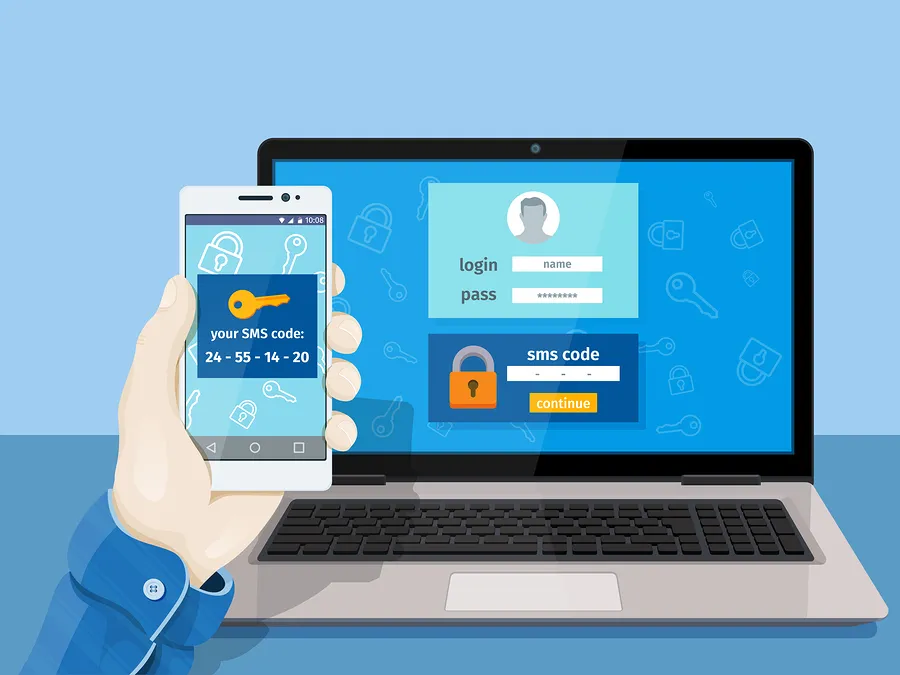

Google’s about to push everyone into two-factor authentication
“Passwords are the single biggest threat to your online security,” the company says
Google will soon make a switch over to a compulsory two-factor authentication system, making it harder for crafty hackers to break into your Gmail or other Google Accounts.
Passwords are notoriously easy to crack, steal or otherwise compromise. In today’s era of highly advanced hackers, they’re pretty dated as a security measure.
That’s why Google is moving beyond passwords. It’s about to start automatically enrolling Gmail and Google account users into two-factor authentication (2FA).
“You may not realize it, but passwords are the single biggest threat to your online security -- they’re easy to steal, they’re hard to remember, and managing them is tedious,” Mark Risher, Google’s product management director for identity and user security, wrote in a blog post on Thursday, which is World Password Day.
“Soon we’ll start automatically enrolling users in 2SV if their accounts are appropriately configured. (You can check the status of your account in our Security Checkup),” he wrote.
So what does Google mean when it refers to your Google account being “appropriately configured” for 2FA? A Google product manager told PCWorld it means users already have recovery information on their accounts, like a phone number or a secondary email.
Two-factor authentication is one of the simplest but most effective security steps that businesses and individuals can take. Also known as multi-factor authentication (MFA) or two-step verification, 2FA is a fairly straightforward process of confirming your identity twice before gaining access to an account or service.
Sign up today and you will receive a free copy of our Future Focus 2026 report - the leading resource for IT decision-maker insight on priorities and investment areas in AI, security and more.
Google already prompts users who are opening new Gmail accounts to enroll in two-factor authentication. The difference is, Google will now automatically enroll users into it.
Although some reports claim Google is making 2FA mandatory, a Google spokesperson told Mashable that users would be able to opt out if they want to.
So far, Google isn’t mentioning a specific timeline for this change, other than Risher writing that it’ll happen “soon.”
Implementing 2FA can go some way toward adding an extra barrier of entry for yourself and any third party attempting to access your account. While security questions seeking personal details, like the name of your first family pet or mother’s maiden name, may help shield user accounts, savvy hackers can easily figure these out, often by rummaging through social media accounts.
Adding the second authentication factor, whether by delivering a code by text message or email or using an authenticator app, adds a more robust protective layer. While it may seem arduous to jump through this hoop time and time again, the benefits of having these hoops in place are untold.
-
Need a fleet of solid Windows business laptops? Modernize with the Dell Pro 3Sponsored Aging laptops can nix a small business’s efficiency and productivity, but the Dell Pro 3 can help bring you up to date
-
5 features that make the Dell Pro 7 the ultimate travel laptop for business professionalsSponsored Discover five Dell Pro 7 features for business professionals on the move: lightweight design, privacy display options, premium collaboration tools, battery life, and layered security
-
1Password teams up with Anthropic to give Claude access to your credentialsNews A new ‘zero-exposure’ security framework allows agents to use stored credentials in the 1Password vault
-
We need to do something about passwordsPasswords are a fundamental aspect of access security, but recent password leaks have undermined their ability to protect data
-
Dashlane lifts the lid on attack that saw hackers download encrypted user vaultsNews The company said it has now informed all affected customers, and taken action to shut down the operation
-
The NCSC says it’s time to switch to passkeysNews UK security organization calls for companies to step up and offer more secure ways to login
-
AI agents are creating new identity security risks: 1Password wants to solve thatNews The Unified Access system from 1Password will help enterprises manage AI agent access across different devices and users
-
Using AI to generate passwords is a terrible idea, experts warnNews Researchers have warned the use of AI-generated passwords puts users and businesses at risk
-
Researchers called on LastPass, Dashlane, and Bitwarden to up defenses after severe flaws put 60 million users at risk – here’s how each company respondedNews Analysts at ETH Zurich called for cryptographic standard improvements after a host of password managers were found lacking
-
Thousands of exposed civil servant passwords are up for grabs onlineNews While the password security failures are concerning, they pale in comparison to other nations