Numerous HP business laptops and desktops vulnerable to publicly disclosed security bugs
Researchers revealed the details of the six vulnerabilities at Black Hat in August but many laptops, desktops, and workstations remain vulnerable


A package of six security vulnerabilities impacting the firmware of HP’s business-focused laptops and desktops and some have been left unfixed for months, security researchers said.
Experts at Binarly presented the package of vulnerabilities at the most recent Black Hat conference in August. More than a month after the public disclosure, the vulnerabilities remain unfixed for several HP devices.
The company has submitted 22 vulnerabilities to HP this year, including a package of 16 high-severity flaws in March that also impacted the firmware of enterprise-focused HP products including laptops, desktops, point-of-sale (PoS) systems, and edge computing nodes.
Binarly began notifying HP of the vulnerabilities included in the package of six that were publicly disclosed at Black Hat 2022 as far back as July 2021.
A wide range of HP devices is affected by the flaws, including HP Elite 2-in-1 PCs, HP EliteBook, HP ProBook laptops, HP ZBook workstations, and HP ZHAN notebooks. Some desktops, PoS systems, workstations, and thin clients are also vulnerable.
The patching status for the affected devices varies by each vulnerability, but a significant number of devices remain unpatched across each of the six publicly disclosed flaws.
HP has published three security advisories (1, 2, 3) that cover each of the six flaws found by Binarly, and the patching status for each device can be found in the dropdown menus.
Firmware vulnerabilities are particularly concerning, for businesses especially, because of the potential significance of the attacks they can facilitate.
If a cyber criminal was able to exploit a UEFI-level vulnerability and install malware at the root of the system, it has the potential to allow a high degree of persistence on the machine and can be difficult to both detect and remove.
Installing UEFI malware or a rootkit would afford an attacker a range of capabilities including the ability to implant a backdoor to the victim’s machine, create new users, remotely control the computer, exfiltrate data, and execute financially-driven campaigns like ransomware, for example.
Binary highlights the devices in its report that have still not received security updates following the public disclosure of the vulnerabilities more than a month ago.
When a vulnerability is publicly disclosed, it means cyber criminals have all the information they need to develop exploits for the flaws. If a device is not patched when a vulnerability is publicly disclosed, a user is then limited in what they can do to prevent an attack.
IT Pro has contacted HP for comment and will update the article if it responds.
Firmware bugs

Cyber resiliency and end-user performance
Reduce risk and deliver greater business success with cyber-resilience capabilities
All of the six vulnerabilities are privilege escalation flaws that can allow for arbitrary code execution in System Management Mode (SMM) which runs at a higher level of privileges that the operating system (OS) and the hypervisor.
“Running arbitrary code in SMM additionally bypasses SMM-based SPI flash protections against modifications, which can help an attacker to install a firmware backdoor/implant into BIOS,” said Binarly.
“Such a malicious firmware code in BIOS could persist across operating system re-installs. Additionally, this vulnerability potentially could be used by malicious actors to bypass security mechanisms provided by UEFI firmware (for example, Secure Boot and some types of memory isolation for hypervisors).”
Each of the individual vulnerabilities can lead to the same outcome but affect different components. They are tracked as:
- CVE-2022-23930 – rated 8.2 on the CVSS v3 severity scale - ‘high’
- CVE-2022-31644 – rated 7.5 on the CVSS v3 severity scale - ‘high’
- CVE-2022-31645 – rated 8.2 on the CVSS v3 severity scale - ‘high’
- CVE-2022-31646 – rated 8.2 on the CVSS v3 severity scale - ‘high’
- CVE-2022-31640 – rated 7.5 on the CVSS v3 severity scale - ‘high’
- CVE-2022-31641 – rated 7.5 on the CVSS v3 severity scale - ‘high’


-
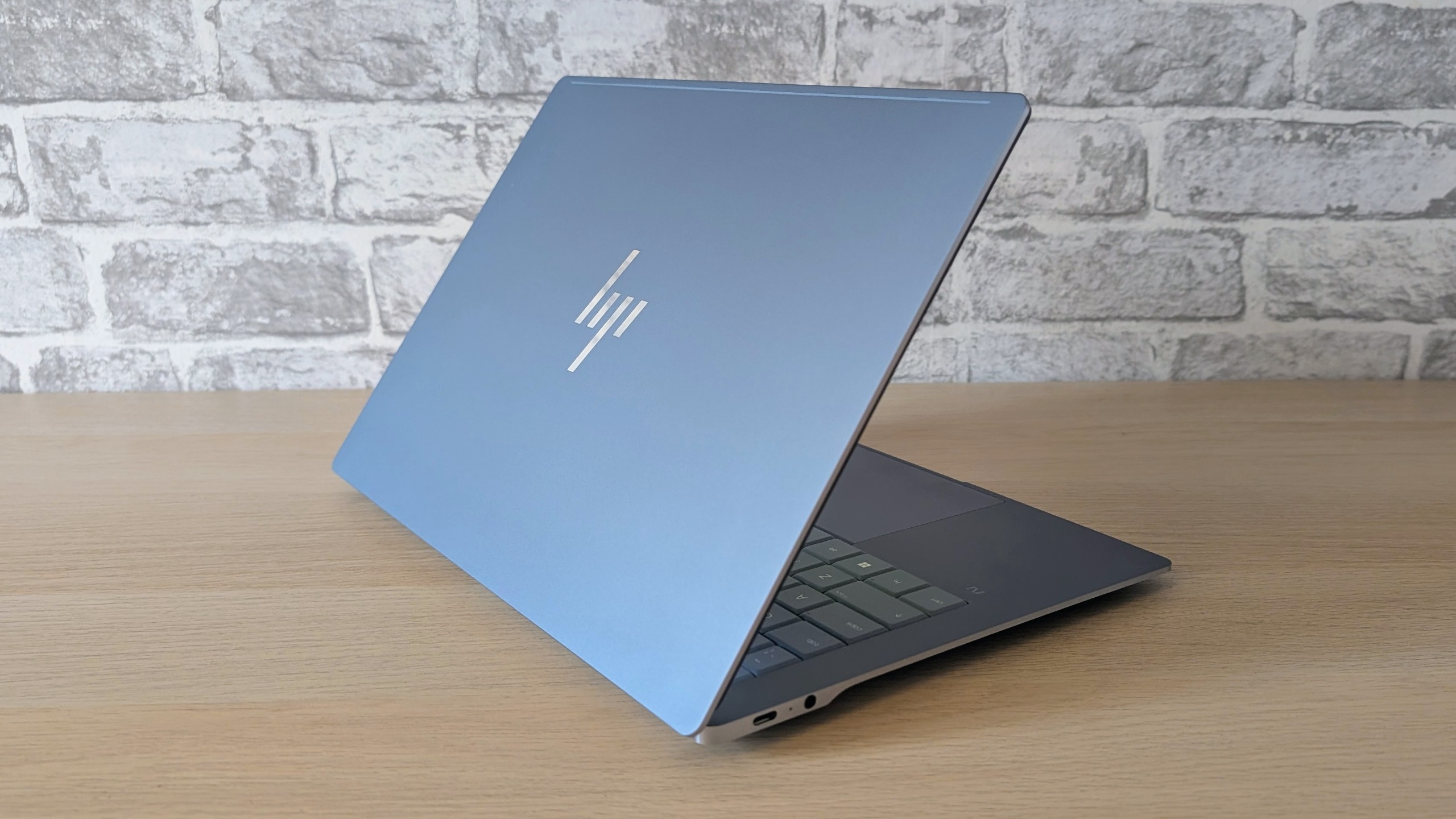 All hail the HP OmniBook Ultra 14 – the battery life king of compact laptops
Reviews As a versatile and capable daily driver, HP's cheapest Snapdragon X2-powered compact OmniBook Ultra takes some beating
-
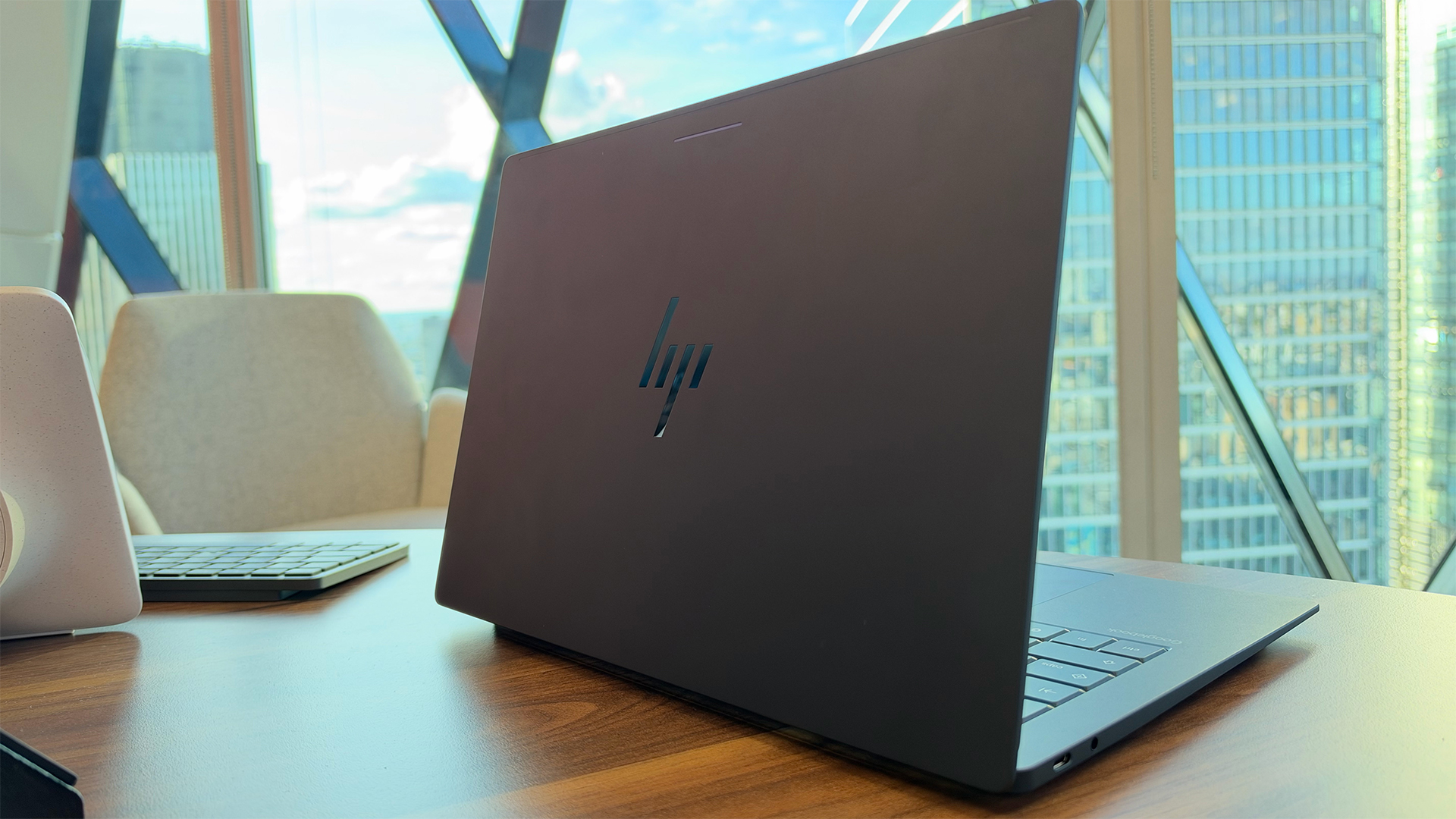 Googlebook: Everything you need to know about the new Gemini-powered laptop range – including pricing, performance specs, and release dates
News A new class of Gemini-powered laptops is here with the aim of fusing Android and Chrome
-
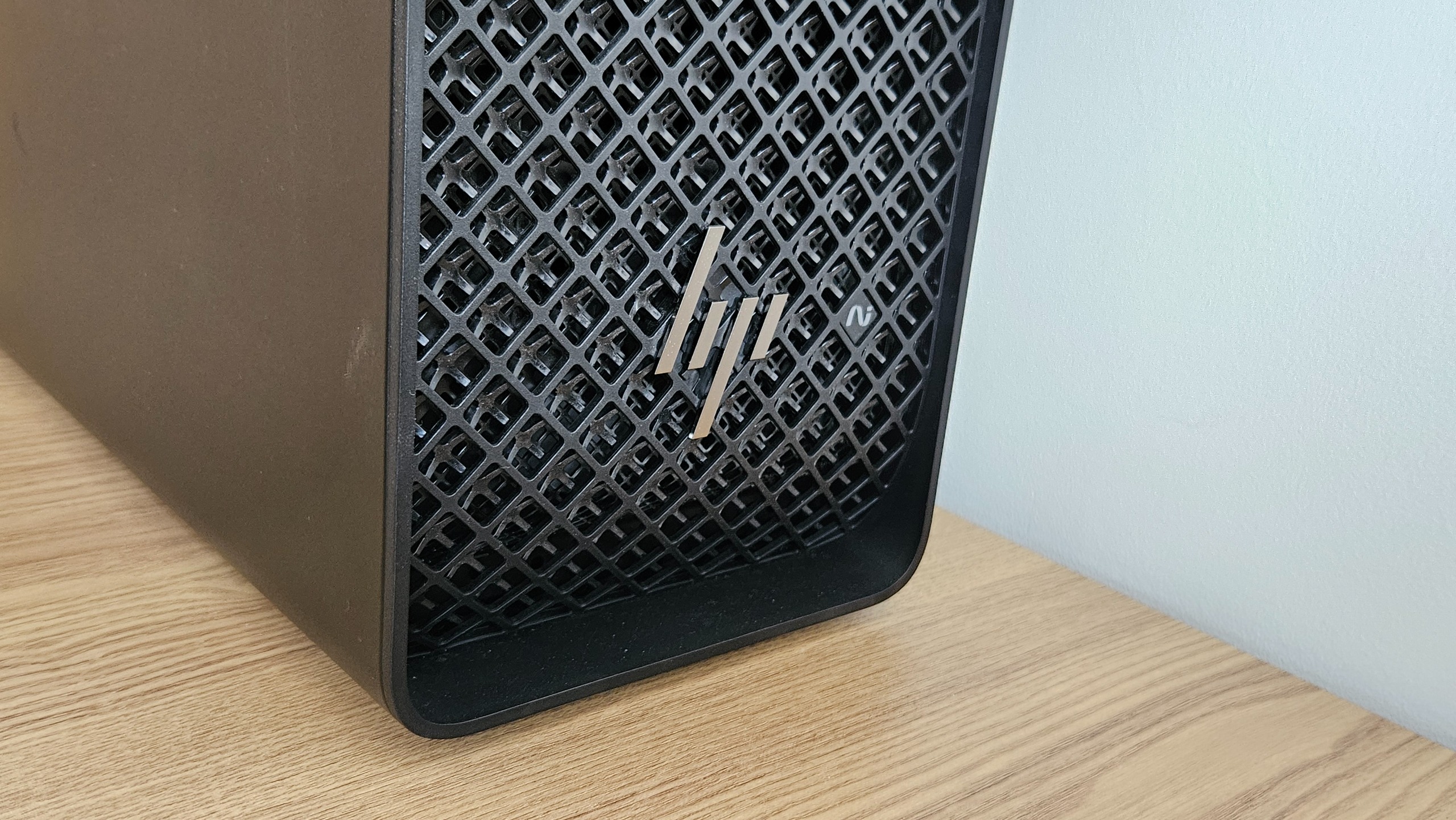 The HP Z4 G6i Workstation is a breathtaking colossus that will bring data center-grade performance to your desktop
Reviews This foray into the overcharged desktop workstation is an absolute triumph, despite the frankly ridiculous price tag
-
 Your AI strategy has a paper problem
Sponsored How multifunction, AI-enabled printers earn their place at the table
-
 ‘The economics of vulnerability discovery have changed’: NIST wants to modernize the National Vulnerability Database amid AI advances – cyber experts say it needs to be redesigned with machine-speed in mind
News The National Vulnerability Database was designed for human-speed. Advances in AI mean it needs a much-needed overhaul
-
 The memory shortage is hitting PC sales hard, but vendor revenues are still growing at the expense of consumers
News AI-driven component shortages are hurting PC sales, but device vendors are recording solid revenue growth
-
 Apple is speeding up software patching due to AI security concerns – here’s what you need to know
News Apple is speeding up its software patching processes amid rising concerns that AI is helping hackers to spot and exploit flaws at a far quicker pace.
-
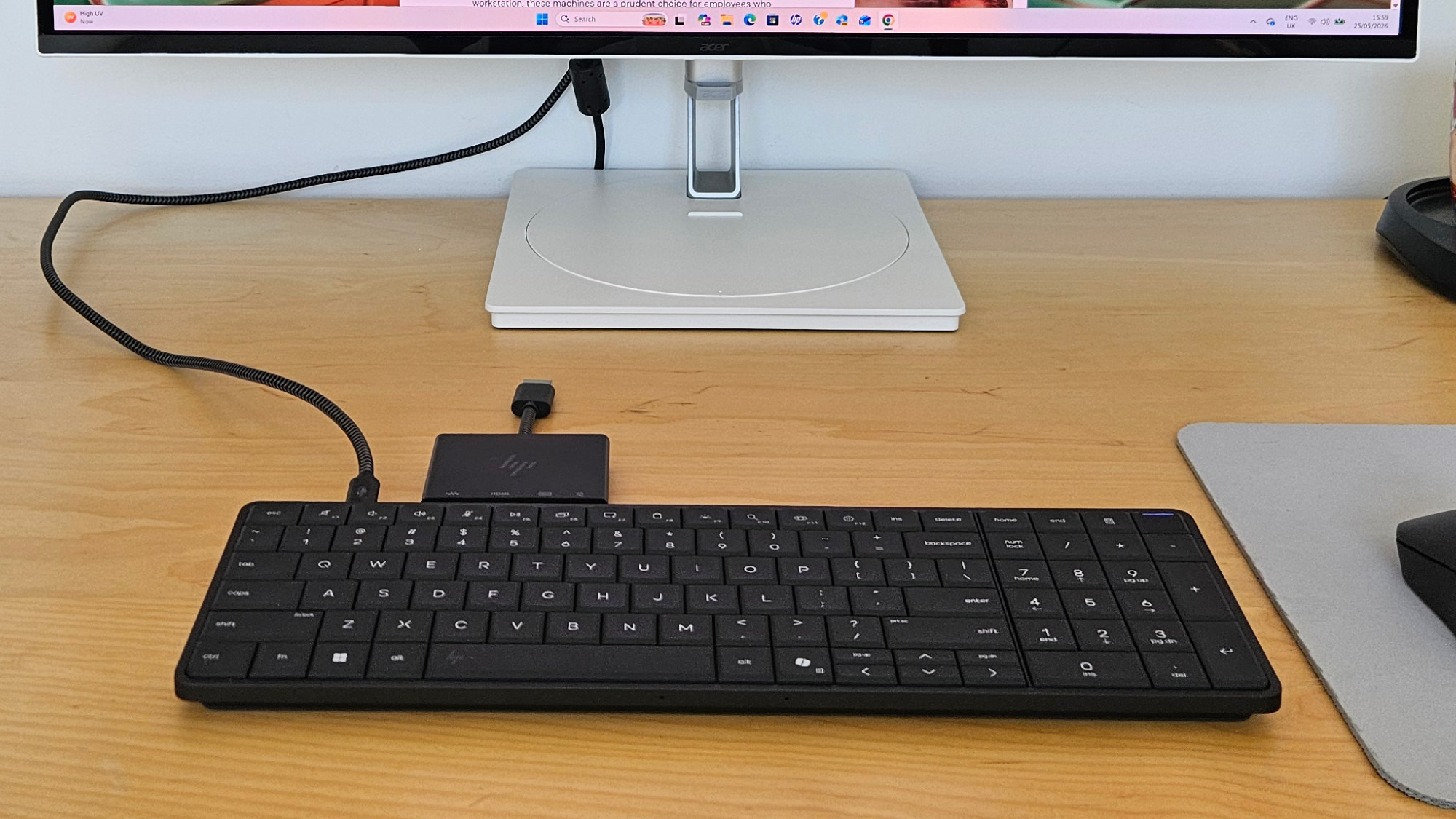 The HP EliteBoard G1a is an elegant and innovative device that blueprints a new form of mobile working
Reviews This year's most unusual enterprise device is a smart keyboard that threatens to disrupt the way you work


