£30 million IBM-linked supercomputer centre coming to North West England
Once operational, the Hartree supercomputer will be available to businesses “of all sizes”


Construction has begun on a new £30 million supercomputing centre in Cheshire which aims to help regional businesses capitalise on emerging technologies such as artificial intelligence (AI) and quantum computing.
Located at the Science and Technology Facilities Council’s (STFC) Daresbury Laboratory, the new centre forms part of the £210 million Hartree National Centre for Digital Innovation (HNCDI).
The centre, which provides UK industry access to emerging technologies, was formed as part of a £172 million collaboration with IBM.
Hartree Centre revealed that procurement is “currently underway” for the new high-performance computing systems set to be housed at the site.
In a statement, the centre said it anticipates that the first system to be installed in the building will have a performance capability of between 80 to 100 petaflops, equivalent to around 100 trillion calculations per second.
This, the organisation added, will make the new system between 20 to 25 times faster than the current platform housed at the site.
Regional industry support
The Hartree Centre is described as one of the UK’s only supercomputing centres “dedicated to supporting industry”.
It provides businesses “of all sizes” access to advanced supercomputing technologies that have traditionally been limited to academia and large-scale industry.
Paul Vernon, head of STFC’s Daresbury Laboratory, said the investment will enable businesses in the region to drive productivity, accelerate the use of advanced digital technologies, and deliver economic benefits.
"Our new supercomputing centre is a significant development in our mission to provide UK businesses with access to the vital infrastructure and expertise that will help them to grow and succeed on a global scale," he said.
"It will help UK businesses drive productivity, accelerating growth and job creation through the use of advanced digital technologies. As we strengthen our commitment to breaking down barriers to technologies such as AI and quantum computing, we are enabling industry to carry out invaluable cutting-edge research, with long-term, tangible benefits to our economy and society."
Organisations across both the public and private sectors will be granted access to the supercomputing centre once completed.
How will the Hartree supercomputer compare?
Once operational, the Hartree Centre supercomputer will be among the fastest housed in the UK.
Nvidia’s Cambridge-1 machine, housed at the Kao data centre in Essex, is capable of delivering more than 400 petaflops of AI performance in addition to eight petaflops of Linpack performance.
The seven types of power problems
The most common types of power disturbances and how to safeguard your equipment
The Cambridge-1 supercomputer was unveiled by the tech giant in 2021 and made available to researchers and academics at organisations including AstraZeneca and GSK.
Meanwhile, ARCHER2, housed at the EPCC, the University of Edinburgh’s supercomputing centre, has a peak performance of around 28 AI petaflops.
Officially launched in February last year, ARCHER2 can perform 20 million billion calculations a second, and at peak power is equivalent to around 250,000 modern laptops.
ARCHER2 scored 19.54 petaflops on the most recent Linpack benchmark, making it the fastest supercomputer in the UK and the 28th fastest in the world, according to the Top500 list.
The Linpack benchmark test is the universal measure of supercomputer performance, not the AI petaflop performance.


-
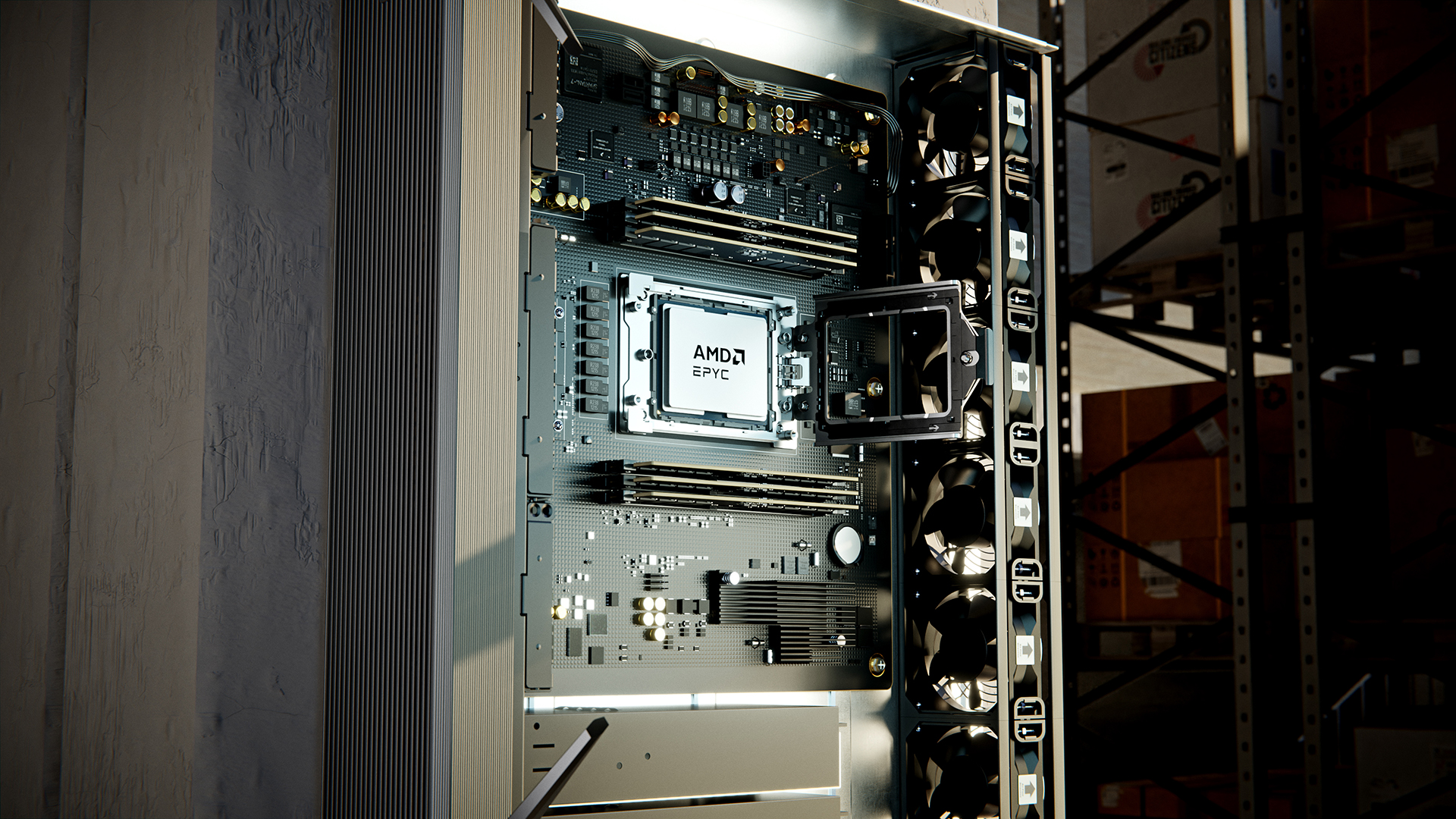 How AMD EPYC CPUs and AMD Instinct GPUs are powering the world's HPC facilities
Sponsored AMD offers powerful chipsets for AI and traditional HPC workloads, including native FP64 support
-
 AWS pledges $50 billion to expand AI and HPC infrastructure for US government clients
News The company said an extra 1.3 gigawatts of compute capacity will help government agencies advance America’s AI leadership
-
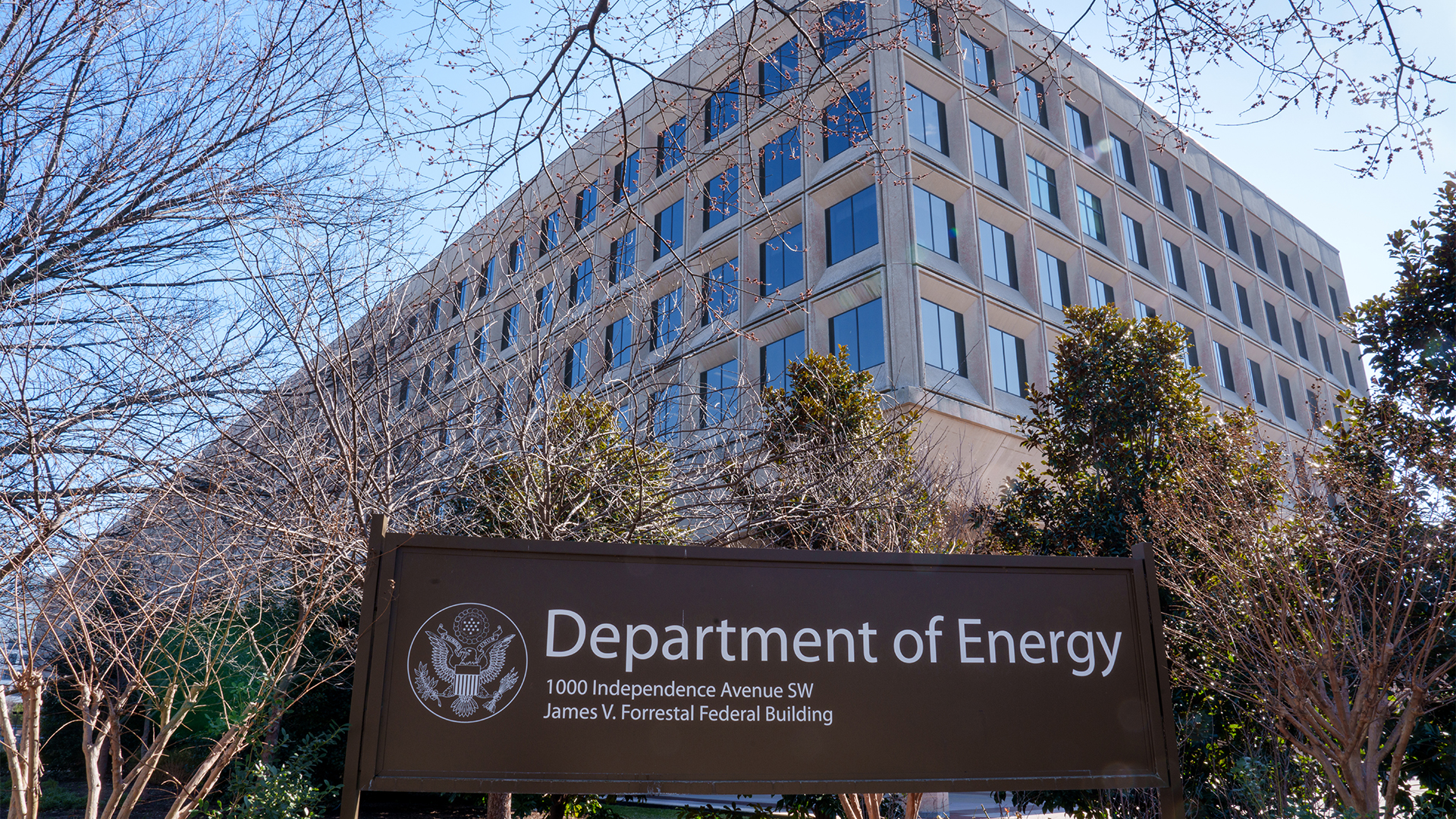 US Department of Energy’s supercomputer shopping spree continues with Solstice and Equinox
News The new supercomputers will use Oracle and Nvidia hardware and reside at Argonne National Laboratory
-
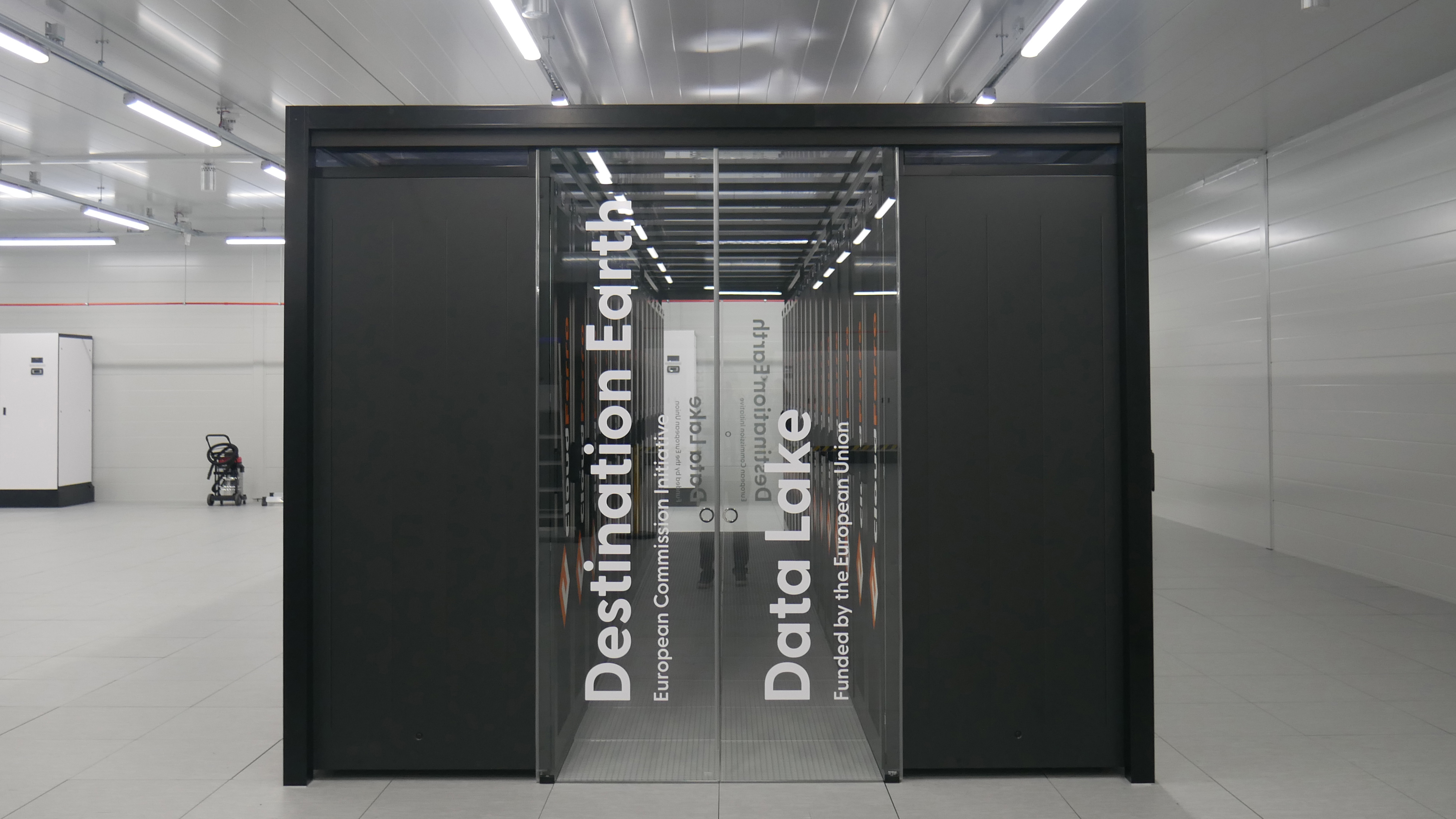 Destination Earth: The digital twin helping to predict – and prevent – climate change
Supported How the European Commission is hoping to fight back against climate change with a perfect digital twin of our planet, powered by Finland's monstrous LUMI supercomputer
-
Supercomputing in the real world
Supported From identifying diseases more accurately to simulating climate change and nuclear arsenals, supercomputers are pushing the boundaries of what we thought possible
-
 What is exascale computing? Exploring the next step in supercomputers
Supported 60 years after the birth of the first supercomputers, we are entering a new era
-
 Discover the six superpowers of Dell PowerEdge servers
whitepaper Transforming your data center into a generator for hero-sized innovations and ideas.
-
 Enhance end-to-end data security with Microsoft SQL Server, Dell™ PowerEdge™ Servers and Windows Server 2022
whitepaper How High Performance Computing (HPC) is making great ideas greater, bringing out their boundless potential, and driving innovation forward


