US Department of Energy’s supercomputer shopping spree continues with Solstice and Equinox
The new supercomputers will use Oracle and Nvidia hardware and reside at Argonne National Laboratory


-
 A spate of cyber attacks has rocked Japan
News With over 100 cyber attacks impacting major sectors this year, Japan’s ruling party is calling for an emergency taskforce to strengthen AI defenses
-
 Top takeaways: The AI tokenomics challenge
Feature Why invisible metering, compounding agentic workflows, and production scale turn enterprise AI into an open tab – and how leaders can govern for measurable value


-
 Oracle expands HPE Juniper Networking deal to support AI infrastructure build-out
News The deal is aimed at supporting scale, performance, and availability as Oracle expands its AI superclusters
-
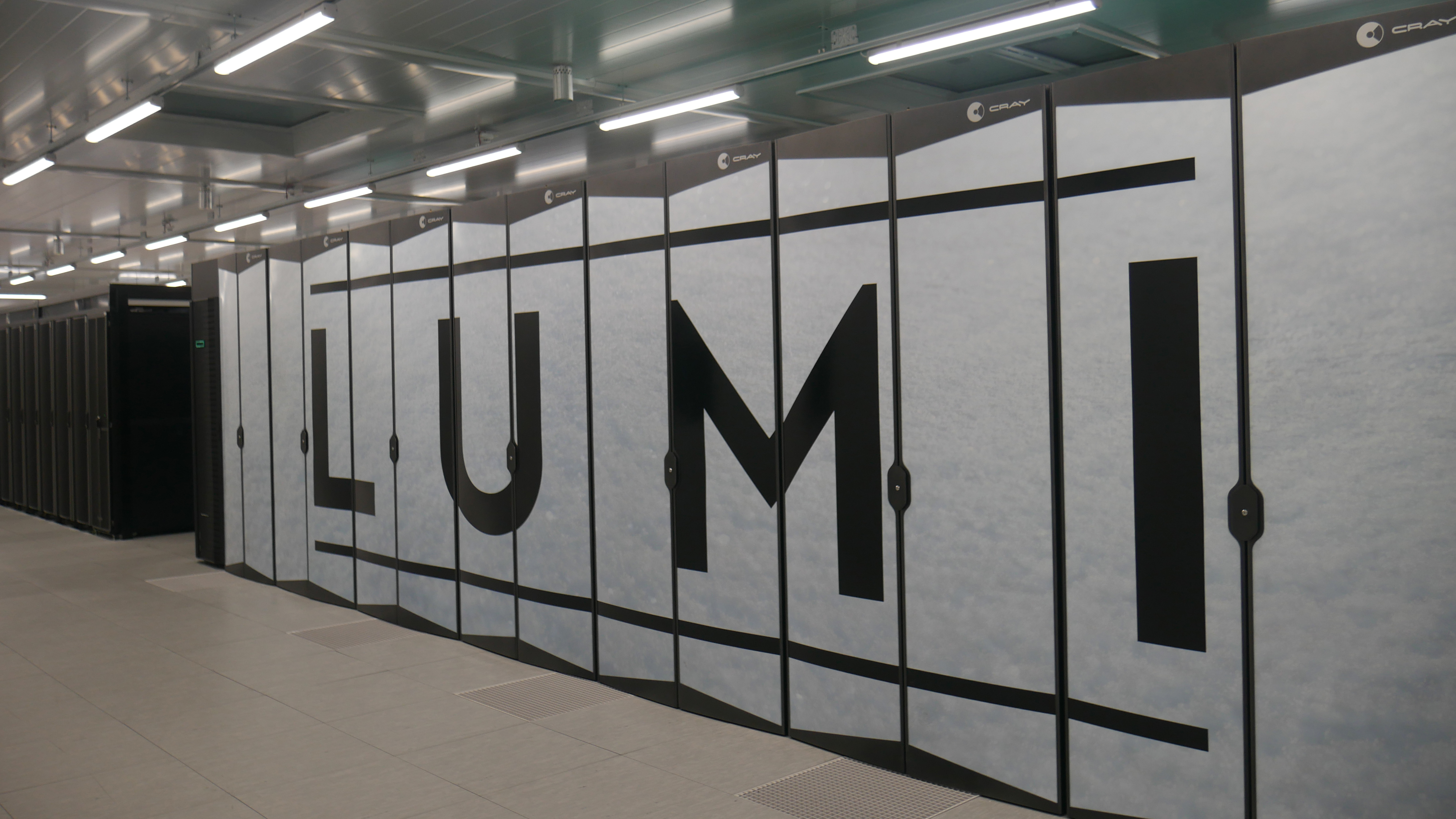 EuroHPC selects Bull to lead €387m Lumi-AI supercomputer contract
News The announcement marks the first major deal for Bull since it was renationalized by the French government
-
 ‘Now, compute is revenue’: Jensen Huang hails ‘golden age’ of AI in wake of seismic revenue gains
News Data center revenue gains surged 117% year-over-year at Nvidia, but supply chain issues are still a lingering concern
-
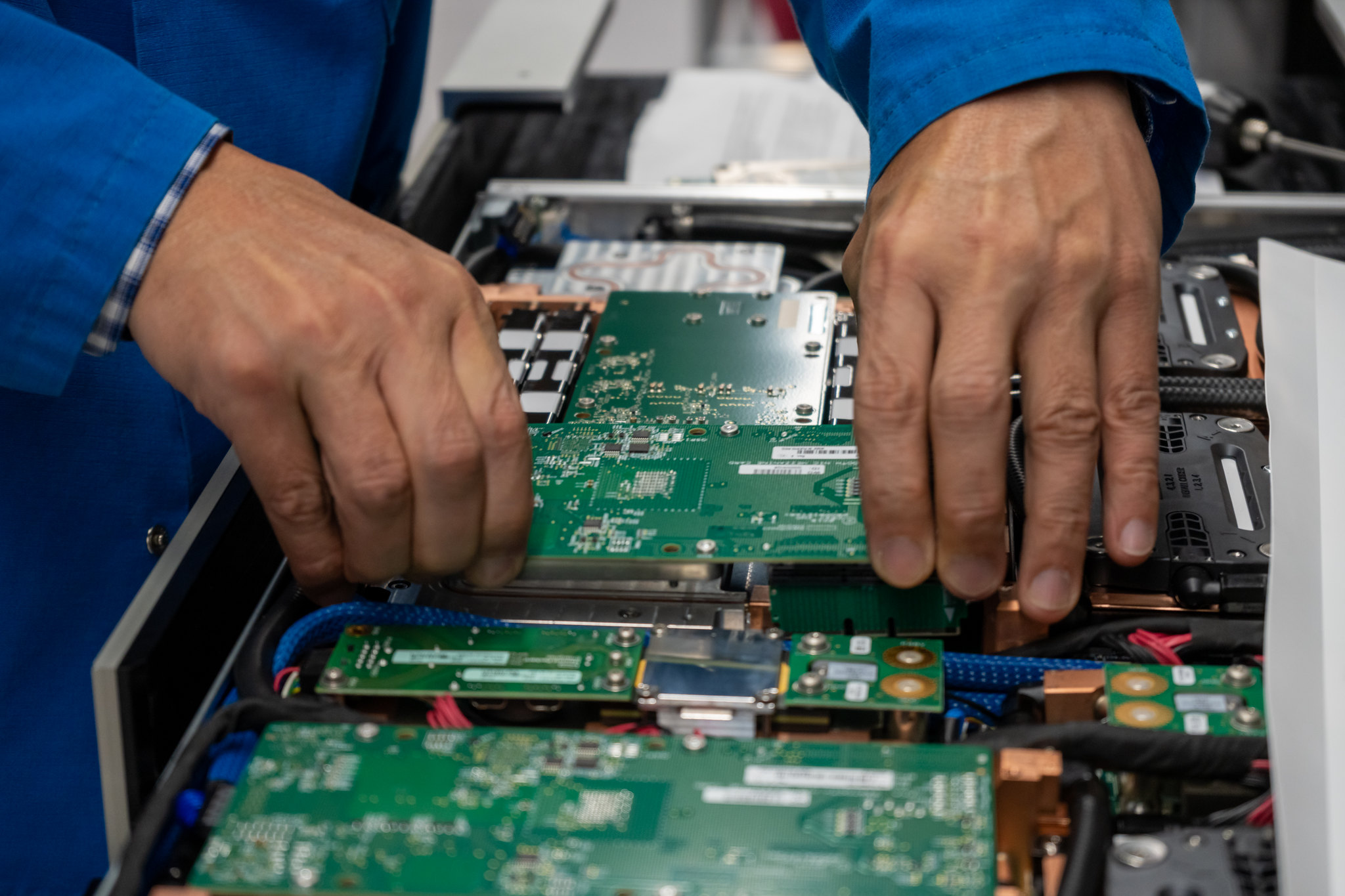 Is the Top500 meaningless? Not so, says US national laboratory CTO
In-depth LINPACK may measure only one process, but there are real and meaningful use cases for exascale systems
-
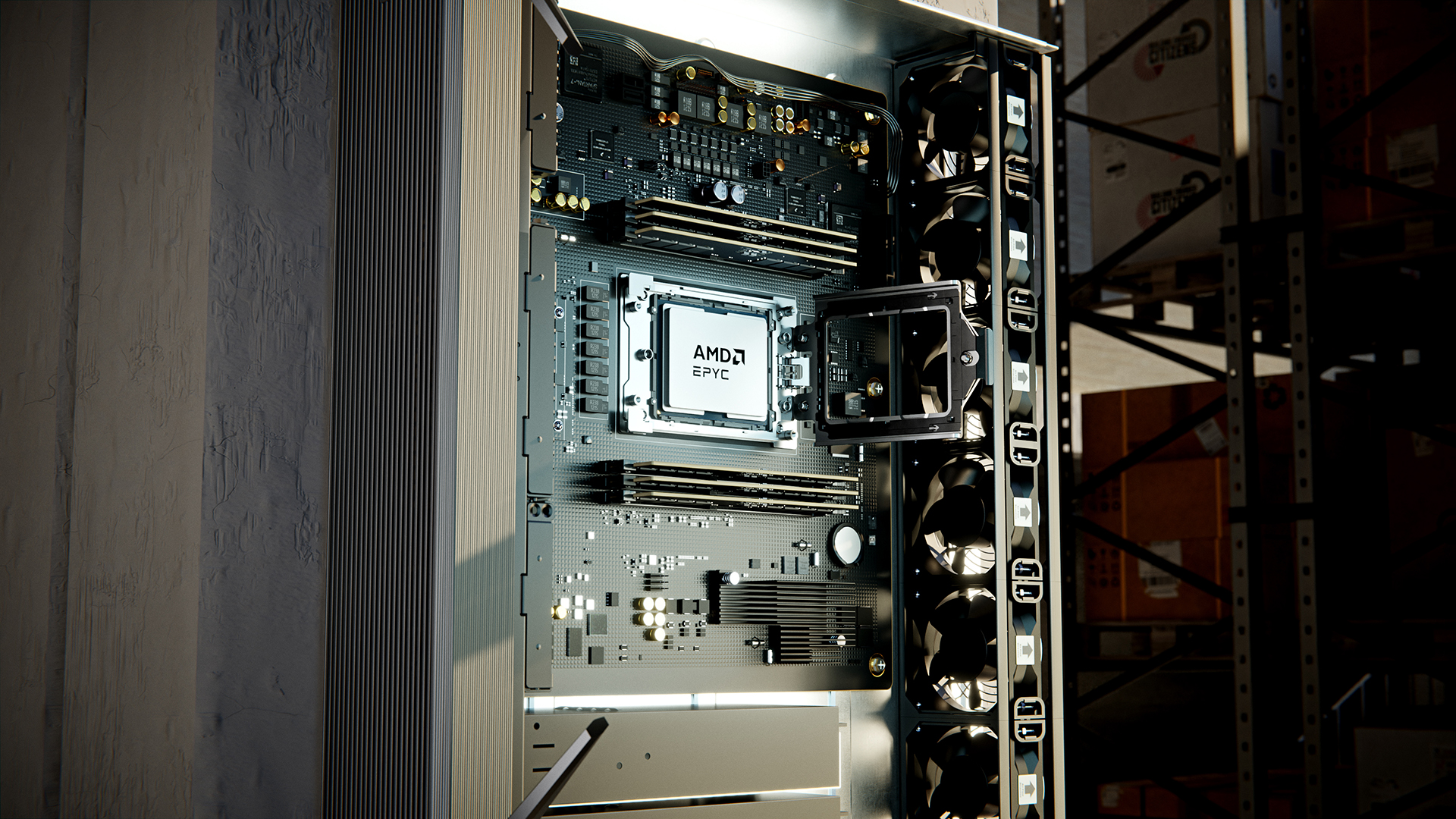 How AMD EPYC CPUs and AMD Instinct GPUs are powering the world's HPC facilities
Sponsored AMD offers powerful chipsets for AI and traditional HPC workloads, including native FP64 support
-
 A Chinese supercomputer just secured first place on the Top500 list for the first time since 2017: Here’s everything we know about LineShine
News The Shenzhen-based LineShine supercomputer pushes El Capitan and co further down the rankings
-
 Dell Technologies unveils massive expansion to Dell AI Factory with Nvidia at GTC 2026
News New offerings aim to give Dell customers maximum flexibility, while providing the raw power necessary for tomorrow’s trillion-parameter models
-
 New £45 million supercomputer to support UK fusion research
News Sunrise is claimed to be the world's most powerful AI supercomputer dedicated to fusion energy, and is set to come into operation within months


