
Microsoft and Nokia: A gamble worth taking?
Does just over $7bn buy Microsoft a place at the mobile top table? Simon takes a look...
Wholesale shock was not the reaction when news broke earlier this week that Microsoft was snapping up Nokia's mobile phone business, at a price set to be just over $7 billion. Yet, considering the investment that Microsoft had put into Nokia previously, if the firm was to buy into the handset business, Nokia was always going to be the obvious target.
Is it the latest throw of the dice for Microsoft as it continues to lag behind the Samsungs and Apples of the world?
The deal, which may be the last to be ushered through by Microsoft's boss Steve Ballmer, will be completed early next year, assuming various obstacles are negotiated. Once the relevant hoops are jumped through, 32,000 Nokia employees will switch to Microsoft's payroll. Then, however, the hard work will really begin.
Cementing the union
Nokia and Microsoft have, after all, been working closely for some time, and both of them have something in common: they're struggling to gain much traction in the mobile sector. You wouldn't guess that from Ballmer's statement, of course. "It's a bold step into the future", he declared, "a win-win for employees, shareholders and consumers of both companies".
But is it? Or is it the latest throw of the dice for Microsoft as it continues to lag behind the Samsungs and Apples of the world?
For Microsoft, Windows Phone 8 was supposed to be some kind of turnaround. It's traditionally struggled in the sector, having fallen behind more aggressive and foresighted competitors. The irony is that the current generation of Windows Phone software is generally well liked, and through an established partnership (aided by Microsoft's chequebook), it's been Nokia that has backed the operating system the hardest. Furthermore, nice words have been aimed in the direction of Nokia's more recent Lumia releases.
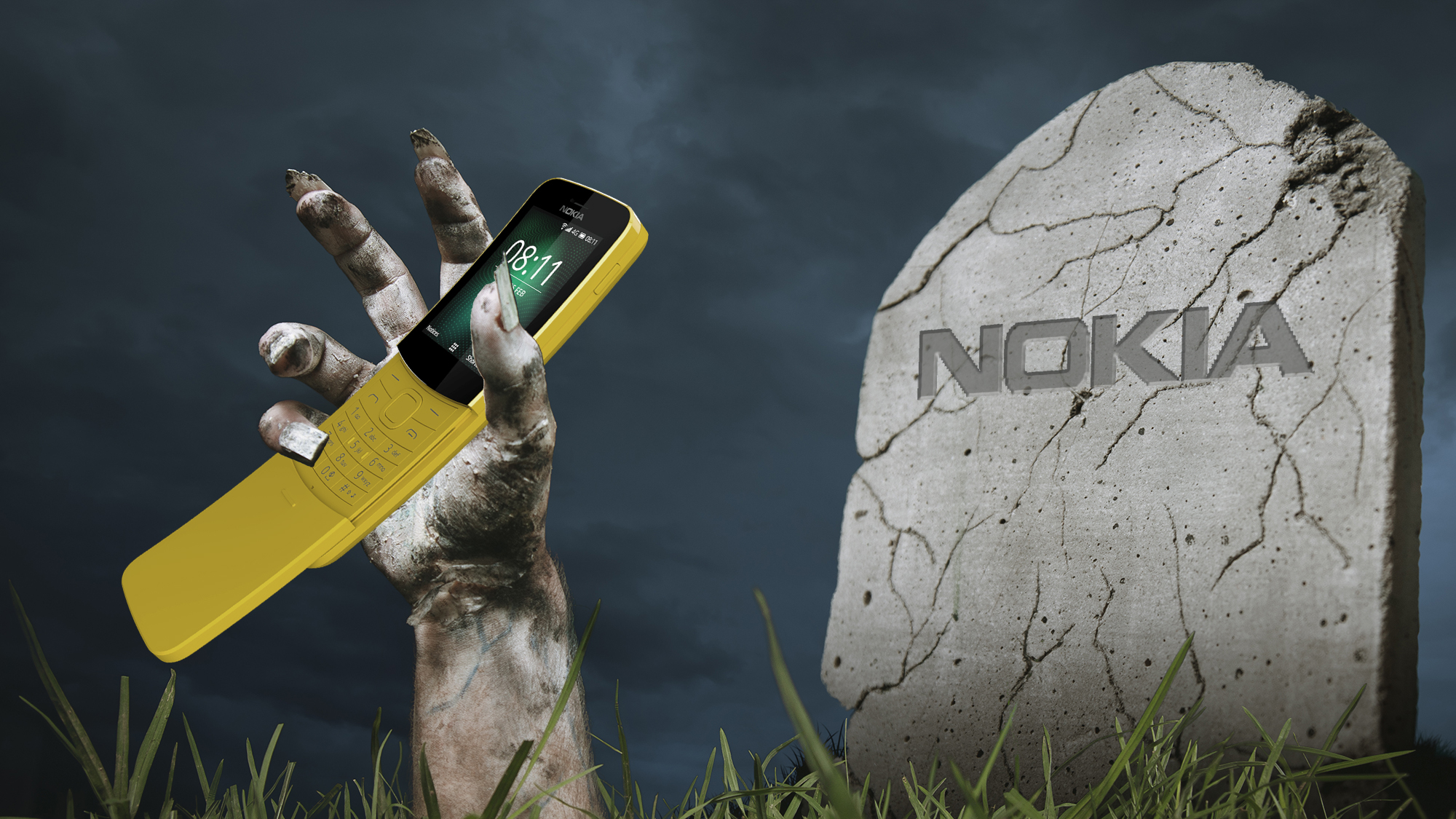
And yet the numbers don't lie. Nokia, once one of the dominant forces in the mobile phone market, uncomfortably transitioned to smartphones, and watched its market share deplete. In 2012, the firm's market share stood at 19.7 per cent. Back in May 2013, it was down to 14.8 per cent, at a point where the market was still experiencing growth.
Sign up today and you will receive a free copy of our Future Focus 2026 report - the leading resource for IT decision-maker insight on priorities and investment areas in AI, security and more.
-
UK-EU ‘digital partnership’ proposals welcomed by industry stakeholdersNews A new initiative aims to enhance cooperation across cybersecurity, AI, and other areas
-
HP Color LaserJet Enterprise 4701dw reviewReviews This color laser from HP can deliver decent performance and strong results, but only if you don't mind tweaking its settings
-
Nokia to cut 14,000 jobs as demand for telecoms equipment plummetsNews Nokia said the move could deliver up to $1.37 billion in cost savings
-
Nokia and Google score breakthrough in Android 13 network slicingNews Nokia's solution will allow devices to connect to multiple network slices simultaneously, provided by existing 4G and 5G operators
-
The IT Pro Products of the Year 2021: The year’s best hardware and softwareBest Our pick of the best products from the past 12 months
-
Nokia T20 review: A simple, sturdy Android tablet at an SMB-friendly priceReviews It’s not as luxurious as an iPad, but the T20 makes a fine, functional tablet for business
-
Nokia 5.4 review: Behind the curveReviews This cut-price Android handset looks great, but doesn’t do enough to convince
-
Nokia to cut 10,000 jobs in bid to boost R&D fundsNews The Finnish telecoms giant plans to save €600m over the next two years to reinvest into emerging technologies
-
Nokia 5.3 review: A surprise packageReviews Despite plenty of compromises, this bargain bucket handset punches well above its weight
-
Revealed: Nokia's plan to retake the enterpriseIn-depth Nokia's back from the dead, and it means business