Best hotels at using tech? Here are the most technologically disruptive business hotel groups
How are some of the biggest hotel companies addressing the increasing needs of business customers?
Technology is transforming the way people consume goods and services. Now, more than ever, people are seeking greater personalisation, connectivity and control and, as a result, hotels have had to change the way they do business, putting the device at the centre of everything they do.
In fact, a survey by the Hotel Reservation Service (HRS), revealed that 42 per cent of guests from the UK would rather use a single display to control their hotel room's lighting, air conditioning and television rather than separate controls.
But which hotels are listening to their customers? Here are the four most forward-thinking hotel groups and their plans for the future when it comes to technology and innovation.
Hilton
The Hilton hotel group is increasingly focused on making the guest's digital experience, from booking to check-out, as easy, flexible and enjoyable as possible. The company's approach to digital innovation certainly builds on that foundation.
"We've developed a digital strategy that focuses on purposeful innovation, concentrating on technologies such as digital check-in, room selection and mobile-enabled room key, to streamline processes that affect every guest, no matter which of our 4,200 global properties they visit," says Joshua Sloser, vice president of digital product innovation at Hilton Worldwide.
Digital check-in with room selection enables Hilton HHonors members to check in via their HHonors profile on the desktop, mobile or tablet and choose the exact location of their room.
Already, Sloser adds, more than a quarter of a million Hilton HHonors guests have used the technology, and the majorty (90 per cent) are satisfied or extremely satisfied with it, stating they are likely or highly likely to use it again.
"We've found that we need to offer digital tools that reach guests on the platform they prefer most which is increasingly becoming mobile," he says.
"We're constantly testing new ideas - digital check-in with room selection and mobile - enabled room key are just the beginning - and we foresee further digital advancements every six-to-eight weeks."
Sign up today and you will receive a free copy of our Future Focus 2026 report - the leading resource for IT decision-maker insight on priorities and investment areas in AI, security and more.
Clare is the founder of Blue Cactus Digital, a digital marketing company that helps ethical and sustainability-focused businesses grow their customer base.
Prior to becoming a marketer, Clare was a journalist, working at a range of mobile device-focused outlets including Know Your Mobile before moving into freelance life.
As a freelance writer, she drew on her expertise in mobility to write features and guides for ITPro, as well as regularly writing news stories on a wide range of topics.
-
TfL takes Oyster photocard systems offline following breachNews Security experts warn the Oyster photocard breach could lead to follow-up attacks on victims
-

Irish credit unions hit by data breach after IT provider compromisedNews Wellington IT reportedly delayed alerting customers by multiple weeks
-

Help skilled workers succeed with Dell Latitude 7030 and 7230 Rugged Extreme tabletswhitepaper Help skilled workers succeed with Dell Latitude 7030 and 7230 Rugged Extreme tablets
-
The top trends in money remittanceWhitepaper Tackling the key issues shaping the money remittance industry
-
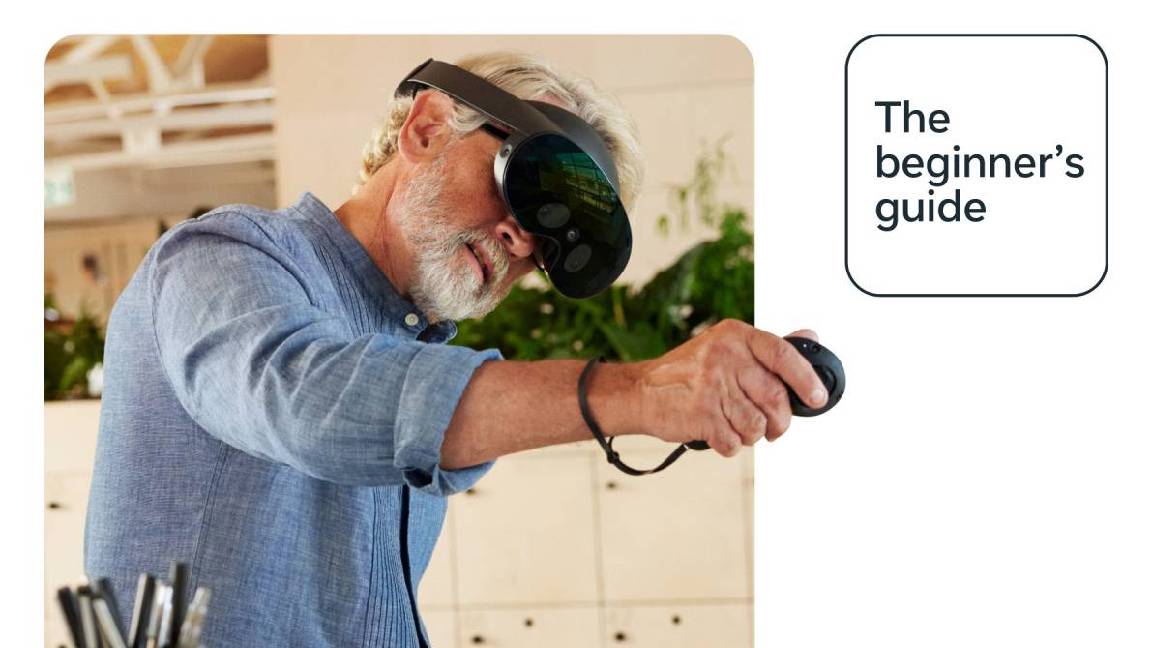
Create in VR: The beginner's guidewhitepaper Five creative challenges VR can help you solve
-
Welcome to the 3D Generation: Unleash your creativityWhitepaper Watch the on-demand webinar
-
The 3D skills reportWhitepaper Add 3D skills to your creative toolkits and play a sizeable role in the digital future
-

End to end 3D design and stylingWhitepaper Recorded demonstration sharing how to create a realistic-looking 3D scene
-
3D in motion: The industry viewWhitepaper Meet the brands at the forefront of 3D innovation
-

Semiconductor shortage will likely last until 2025, expert claimsNews Ondrej Burkacky says investment in the sector cannot yield results in the short term, and government spending is not a silver bullet
