Kosovo bans cryptocurrency mining to avoid nation-wide energy blackouts
The government hopes to clamp down on large cryptocurrency farms operating in the north of the country


Kosovo has become the latest nation to ban cryptocurrency mining in an effort to curb energy consumption following a series of blackouts across the country.
Minister of Economy, Artane Rizvanolli, said the decision was based on recommendations made by Kosovo’s Technical Committee on the Emergency Measures in Energy Supply.
In contrast to a similar policy passed in China, Kosovo’s ban on cryptocurrency mining aims to help limit the affects of the ongoing energy crisis affecting a number of European countries, including Kosovo.
The country, which was declared independent from neighbouring Serbia in 2008 and has been considered a cryptocurrency mining haven due to its low electricity bills, is currently struggling with what is considered to be the “worst energy crisis in a decade”. The government has introduced power cuts and a national state of emergency that is expected to last until late February.

Modern governance: The how-to guide
Equipping organisations with the right tools for business resilience
In a statement shared on Facebook, Rizvanolli said that the ban will also include identifying “the locations of cryptocurrency production”. These are considered to be based in northern Kosovo, where the country’s Serb minority, many of whom are Serbian government sympathisers and don’t acknowledge Kosovo as an independent state, partake in cryptocurrency mining while also refusing to pay the electricity bills, according to BBC.
The news comes days after the Iranian government reportedly placed a temporary ban on all cryptocurrency mining in order to avoid electricity blackouts, according to BNN Bloomberg. Expected to last until 6 March 2022, the ban aims to free up 209 megawatts of power.

Practices for maximising the business value of digital infrastructure Consumption-as- a-Service subscriptions
IDC PeerScape
Although mining and trading cryptocurrencies is legal in Iran, the country’s banks and financial institutions have been prohibited from dealing with cryptocurrencies since 2018 in an effort to clamp down on money laundering and limit routes for funding terrorism.
Cryptocurrencies have also been criticised due to its negative environmental impact, with a recent University of Cambridge study finding that only 39% of the electricity powering the Bitcoin mining process comes from renewable sources, with a hefty 61% coming from power stations fuelled by natural gas, oil, and coal.
In May 2021, New York lawmakers submitted a bill banning cryptocurrency mining operations for three years, citing concerns that “associated greenhouse gas emissions will irreparably harm compliance with the Climate Leadership and Community Protection Act in contravention of state law”.

-
 Need high-performance business laptops for heavy workloads? The Dell Pro 5 is a serious contender
Sponsored With powerful new AI PCs hitting the market, enterprises face a crucial decision when opting for new workforce devices
-
 Jensen Huang returns to Nvidia as CEO
News The co-founder and CEO is back in the hotseat


-
 Environmental campaigners call on UK gov to enforce stricter data center emissions rules
News UK government consultation on data center energy use should consider emissions and water use, activists say
-
 National Grid investment wing backs AI startups to boost energy efficiency
News National Grid Partners, the venture capital and innovation arm of the UK utility firm, has unveiled plans to invest $100 million in AI startups in the energy field.
-
 How to grow your business with smarter decisions
Whitepaper Introducing changes that generate business growth in the face of economic uncertainty for a stronger, more cohesive future
-
 Clean energy: The customer-centric frontier for modern utilities
Whitepaper Adopt new technologies to help drive clean energy adoption
-
 How to empower employees to accelerate emissions reduction
in depth With ICT accounting for as much as 3% of global carbon emissions, the same as aviation, the industry needs to increase emissions reduction
-
 insideBIGData: Guide to energy
Whitepaper How big data can help energy companies manage intense disruption
-
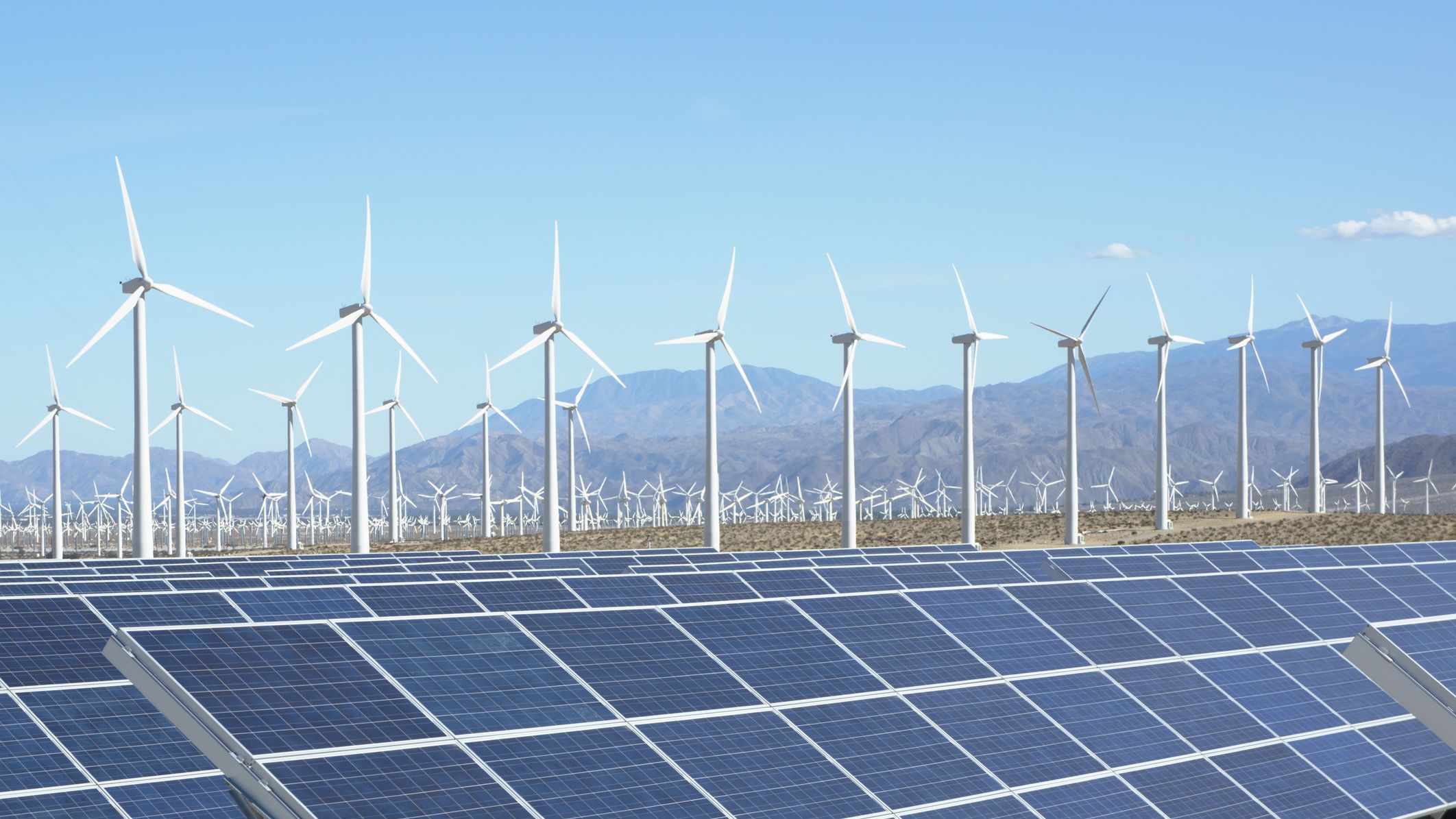 Tech industry takes vast lead in green energy spending, biggest companies vie for top spot
News Big tech has doubled down on clean power contracts as the sector seeks to dodge energy costs and meet climate goals
-
 Businesses bet on sustainability to tackle disruption, says Gartner
News Business leaders overwhelmingly link sustainability investment to short and long-term improvements, and investment will increase year-on-year


