EU hits Intel with new competition charges
Following our report on Wednesday that a fresh set of antitrust charges were imminent, the EU has confirmed plans to take action against the chip maker.


-
 High performance, low latency, greater efficiency: how the Dell PowerStore 9500 array enhances any modern data center
Whitepaper Scale smarter and eliminate storage bottlenecks without expanding your footprint
-
 16-year-old boy arrested for masterminding KillSec ransomware group
News Police have taken control of KillSec's leak site, securing at least 110 terabytes of data against further unauthorized access


-
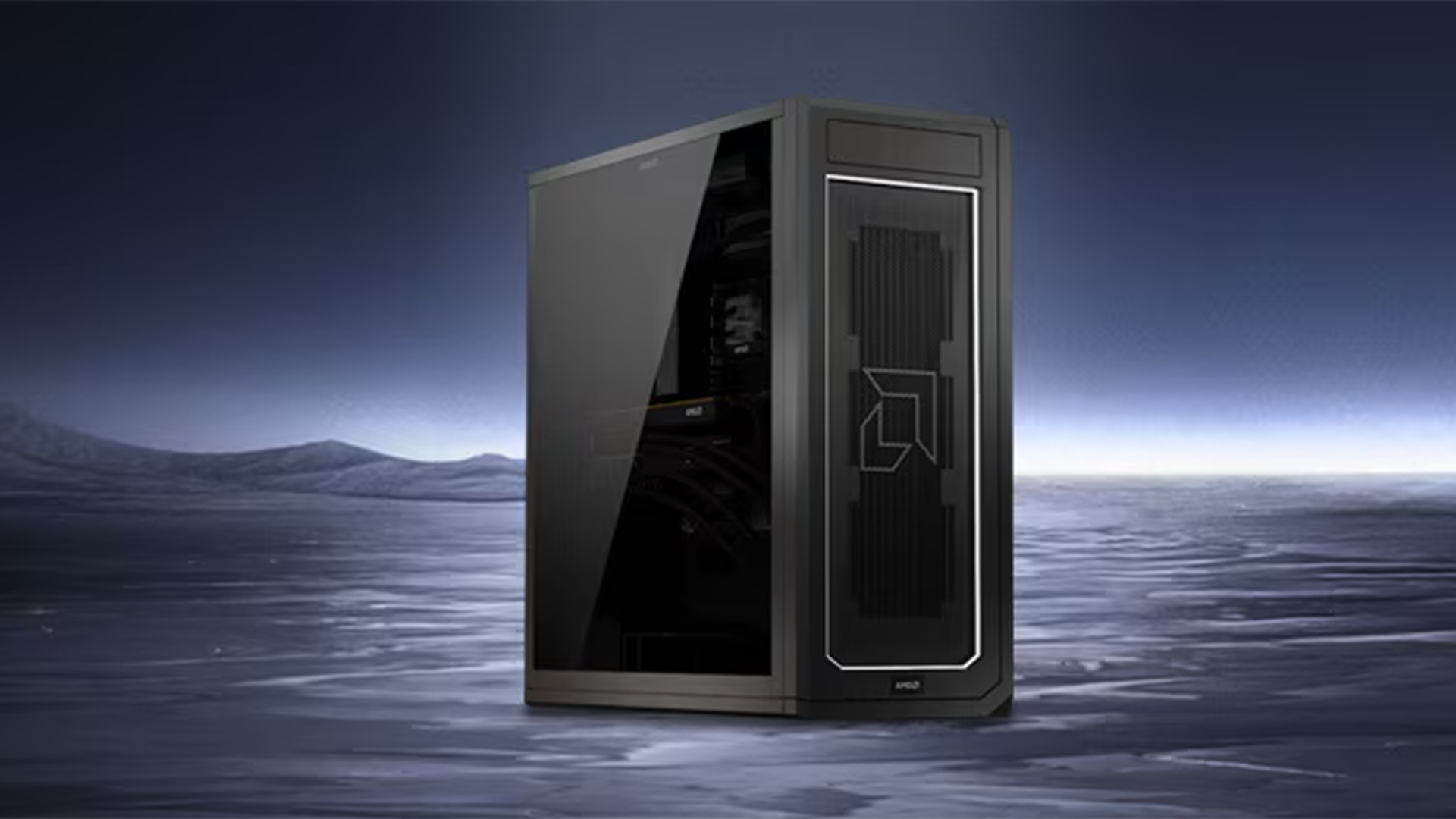 ‘This is about as close as you can get to a personal supercomputer’: AMD has Nvidia in its crosshairs with the Threadripper Halo AI workstation
News The new device boasts 3.4x the total system memory compared to the Nvidia DGX Station, according to AMD
-
 AMD CEO Lisa Su hails ‘excellent quarter’ as data center revenue surges 107%
News The record-breaking quarter comes as AMD prepares to roll out its Helios rack-scale architecture later this year
-
 Is AMD EPYC the right CPU for your AI models?
These top tips will help you decide if AMD EPYC CPUs are the right fit for your AI models
-
 AMD and Samsung forge closer ties on AI memory, potential foundry deal
News The pair are forging closer ties on chip development and future foundry opportunities
-
 AMD thinks ‘AI on the PC has crossed an important line’ – the rise of ‘Agent Computers’ will be the next big breakthrough
News The chipmaker believes “Agent Computers” will be the next big breakthrough with on-device AI capabilities
-
 EU inaugurates NanoIC facility for next-generation chips
News The project forms part of efforts to reduce reliance on US and Asian supply chains
-
 Nvidia’s Intel investment just gave it the perfect inroad to lucrative new markets
News Nvidia looks set to branch out into lucrative new markets following its $5 billion investment in Intel.
-
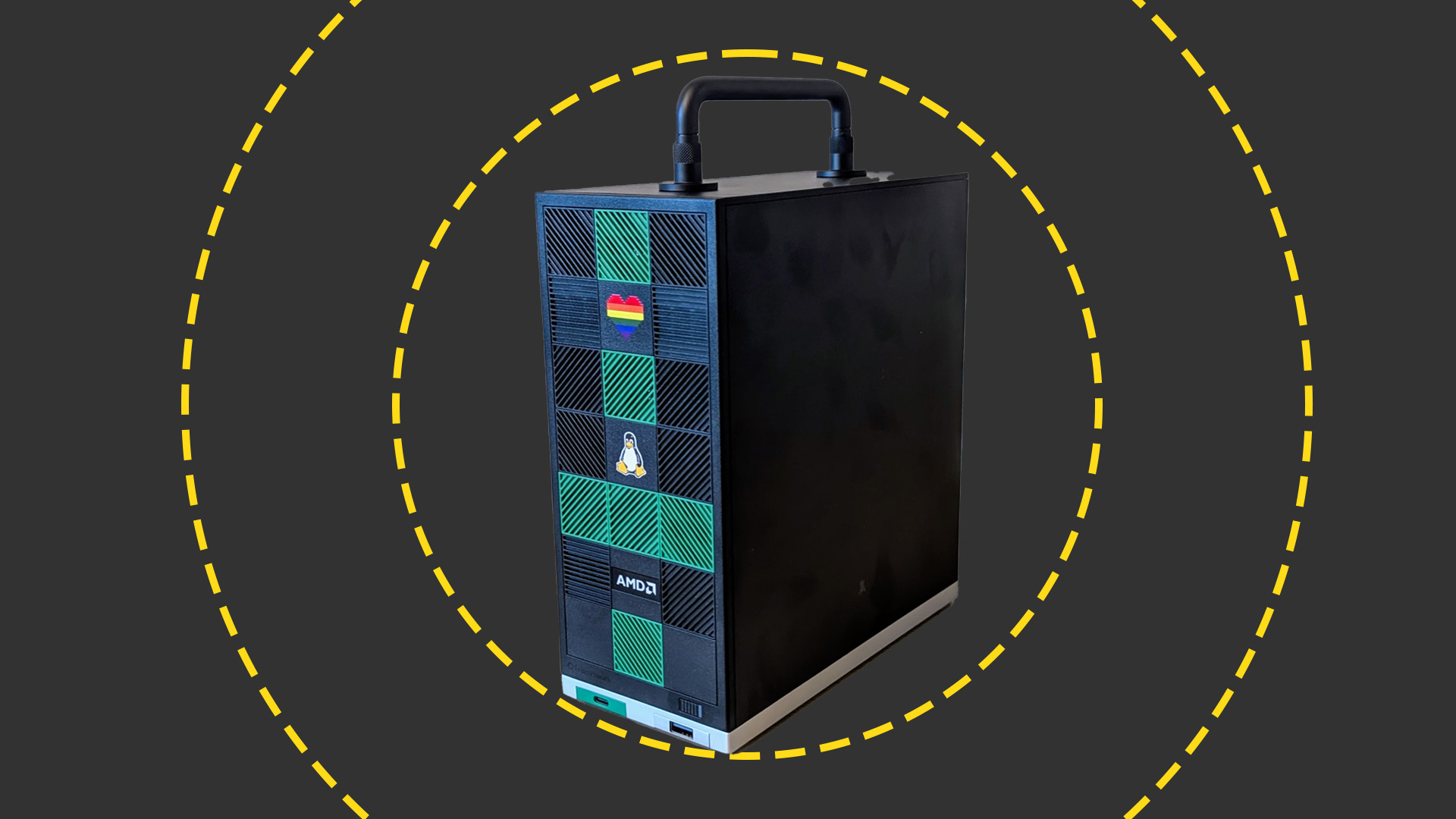 Framework Desktop review: Modular design and ferocious AMD performance
Reviews AMD's Ryzen Max CPUs debut in Framework's impressive modular self-build small-form desktop PC


