Week in Review: AMD boss dumped over losses
Can Dirk Meyer do what Hector Ruiz couldn’t and turn AMD around? We also look at government plans to carbon neutralise its IT and other top stories.
Hector Ruiz is moved onEven for someone who's been around as long as AMD's Hector Ruiz, seven quarterly losses in a row does not make fantastic reading, so his replacement as chief executive following a second-quarter net loss of $1.19 billion (600 million) is not a huge shock.
His successor, AMD's chief operating officer Dirk Meyer, is logical as he has long been seen as a natural successor. He will have his work our for him as desktop sales decline and Intel seems to have the mobile market sewn up.
London's Oyster cards corruptedThousands of London commuters needed their Oyster cards replacing this week after a server crash left them permanently corrupted.
Bus drivers were forced to offer free transport last Saturday morning as the Oyster payment infrastructure went down for over five hours. It's fortunate for Transport for London that it happened at the weekend rather than during the week when general chaos would surely have ensued.
Government wants neutral carbon emissions from its ITIn an effort to lead by example, the government has unveiled plans to ensure that its ICT energy use is carbon neutral within four years.
The Cabinet Office will start to go green immediately but other departments will only have to report their green status from 2010.
Guidelines include switching off computers at night, printing on both sides of the paper and server virtualisation. If they don't make in time, the government plans to use taxpayer money to buy carbon offsetting credits instead to make up the difference.
Sign up today and you will receive a free copy of our Future Focus 2026 report - the leading resource for IT decision-maker insight on priorities and investment areas in AI, security and more.
The Data Protection Act, ten years onIs the Data Protection Act (DPA) still relevant in today's networked world?
As the law reaches its tenth birthday, many are questioning the law's effectiveness, as the recent spate of high profile data losses demonstrate a lack of effectiveness. Is it time to give it some teeth? IT PRO talks to the Office of the Information Commissioner.
BT to invest 1.5 billion in fast broadbandThe UK could finally be crawling out of its relative broadband hole as BT announces that it will spend 1.5 billion deploying super-fast fibre optic broadband to 10 million homes over the next ten years.
BT claims it will make the fibre optic network available to rivals to remain competitive. Talk is cheap but will it deliver?
EU to cut text roaming chargesWe could be looking at cheaper text messaging while abroad as the EU looks to clamp down on excessive roaming text charges.
Price caps on voice calls were introduced last year. This is to be welcomed but what of the price of data roaming when abroad? With stories of individuals being charged thousands after unwittingly using data heavily while abroad it's time to address the issue.
Benny Har-Even is a twenty-year stalwart of technology journalism who is passionate about all areas of the industry, but telecoms and mobile and home entertainment are among his chief interests. He has written for many of the leading tech publications in the UK, such as PC Pro and Wired, and previously held the position of technology editor at ITPro before regularly contributing as a freelancer.
Known affectionately as a ‘geek’ to his friends, his passion has seen him land opportunities to speak about technology on BBC television broadcasts, as well as a number of speaking engagements at industry events.
-
The identity recovery gap: confident on paper, exposed in practiceAI-accelerated attacks weaponize the IAM ecosystem, moving faster than defenders can respond — making identity recoverability a top priority in restoring data and AI trust.
-
Dynatrace acquires observability firm Arize in $915m dealNews The move will see Arize’s AI evaluation capabilities combined with Dynatrace’s production monitoring technology across the AI development lifecycle
-
AMD partners with Cerebras for ultra-low latency AI infrastructureNews The solution brings together AMD Helios and Cerebras Wafer-Scale Engine into a single solution
-
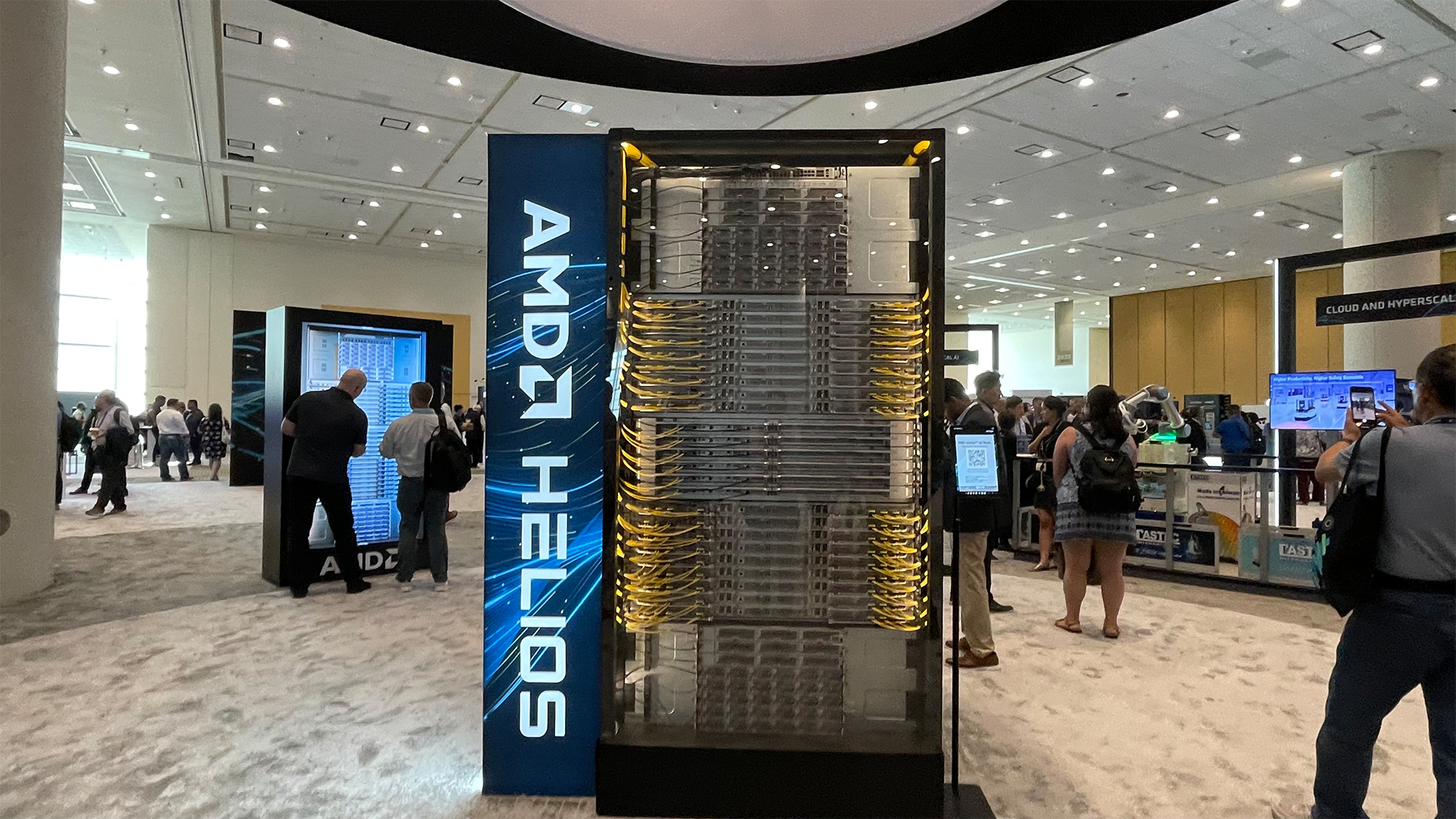
AMD Advancing AI 2026: Helios on the rise, with launch of new Instinct GPUsNews The rack-scale architecture announced in 2025 is finally rolling off the production line
-
AMD adds Microsoft to its growing roster of Helios customers as firm launches three new VMs for Azure usersNews The collaboration marks the latest big tech customer for AMD’s “game changer” Helios system
-

What to expect at AMD Advancing AI 2026Here are three things I expect to hear about at AMD’s annual get together – and one I don’t
-

Looking to build an AI data center? Here’s five reasons to go with AMD EPYC CPUsHigh core density, inference, and scalability are just some of the benefits of an AMD EPYC CPU
-
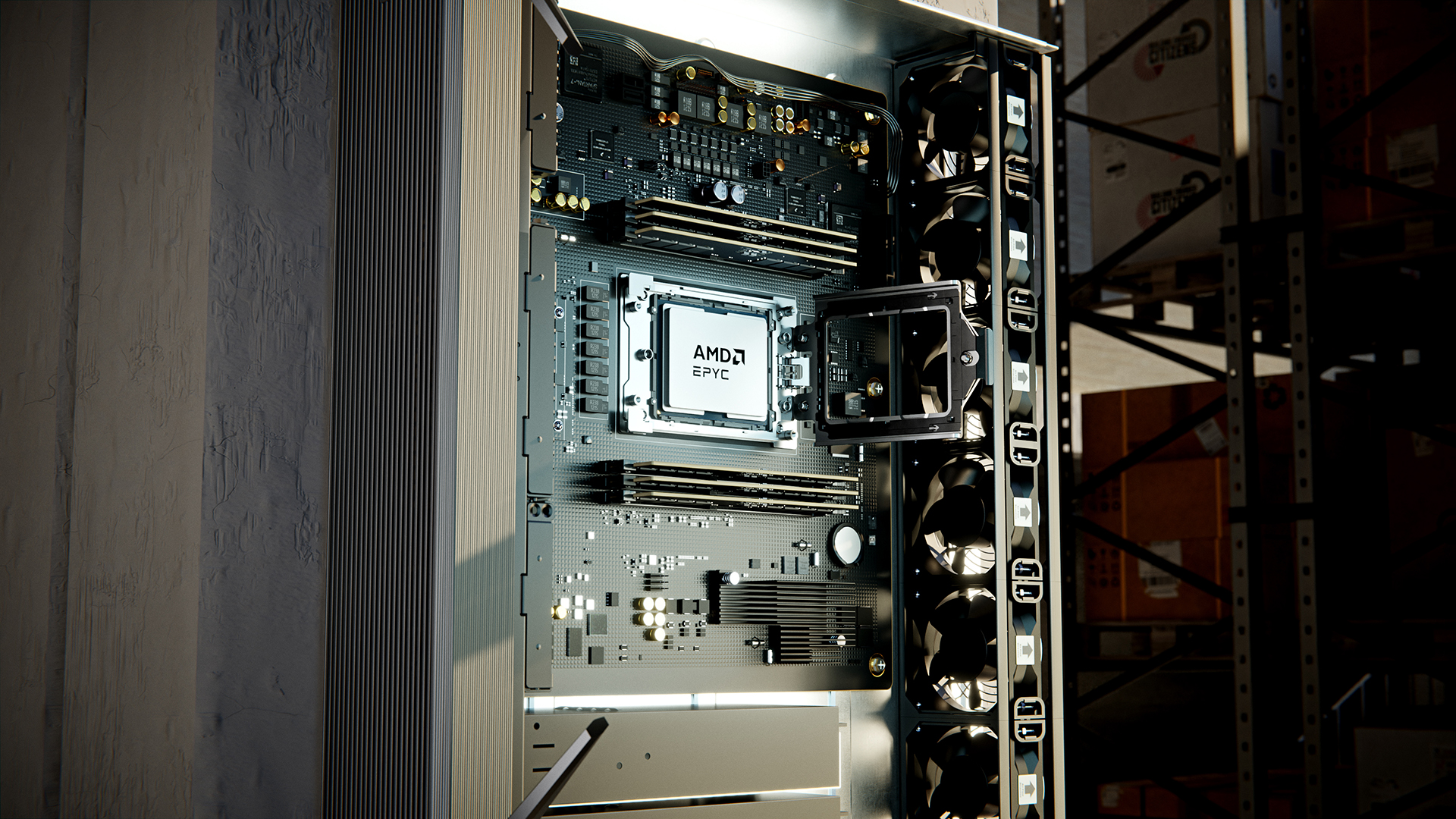
How AMD EPYC CPUs and AMD Instinct GPUs are powering the world's HPC facilitiesSponsored AMD offers powerful chipsets for AI and traditional HPC workloads, including native FP64 support
-
‘The United Kingdom has the talent, research excellence and ambition to help lead the next era of AI’: AMD chief exec Lisa Su touts UK’s AI potential as firm eyes £2bn investmentNews The deal will see a new AI supercomputer built in Cambridge and partnerships with Imperial College London and Oriole Networks
-
New £45 million supercomputer to support UK fusion researchNews Sunrise is claimed to be the world's most powerful AI supercomputer dedicated to fusion energy, and is set to come into operation within months