
-
 ¿Quieres liderar el mercado tecnológico actual? Conviértete en un partner del futuro e impulsa una verdadera transformación digital para los clientes.
Para impulsar realmente la transformación digital, los proveedores de tecnología deben evolucionar hasta convertirse en partners orientados a resultados mediante la coordinación de cimientos sólidos de infraestructura en la nube y seguridad
-
Prêts à tirer parti des opportunités du marché IT ? Devenez un partenaire d’avenir et favorisez une véritable transformation numérique pour vos clients
Une véritable transformation numérique ne s’opérera que si les fournisseurs de technologies deviennent de véritables partenaires stratégiques orientés résultats, en mettant en œuvre de solides bases de cloud et de sécurité

-
 Nearly two-thirds of enterprises could reduce software engineering teams by 2029 – but ‘tiny teams’ won’t be a disaster for engineers
News The influx of AI tools means many firms could create smaller, more agile teams to speed up development processes
-
 Agentic AI 'breaks the traditional SaaS seat licensing model' – now it’s up to vendors to ditch 'legacy dashboards' and build with agents in mind
News Incumbent software vendors will need to work harder than ever to compete with agile, AI-focused disruptors
-
 European software spending is set to surge in 2026 – here's why
News Enterprises are approaching the “trough of disillusionment” with AI, but it’s not stopping them from spending
-
 Software engineers are in for a rough ride as AI adoption ramps up – 80% will be forced to upskill by 2027 as the profession is transformed
News The technology will create new roles throughout software engineering and operations, the firm said
-
 IT spending could reach £3.5 trillion in 2017
News Enterprise software will record 7.5% growth, predicts Gartner
-
 Skills gap listed as major challenge in Hadoop takeup
News Research by Gartner said only 26 per cent of respondents claim to be either deploying, piloting or experimenting with Hadoop
-
 Tablet sales set for slow 2015, predicts Gartner
News Why Gartner thinks Windows Phone will grow faster than Apple’s iOS
-
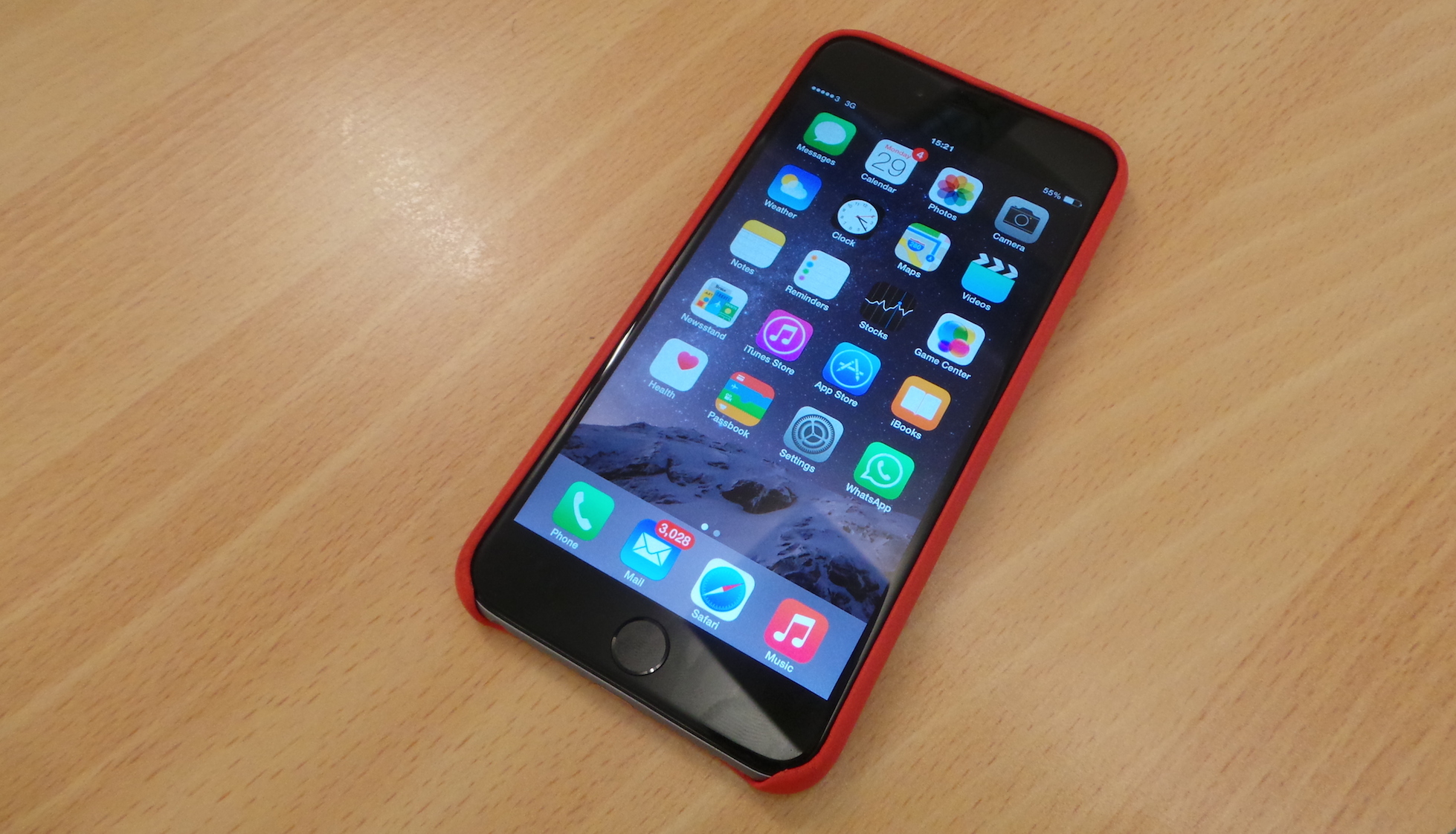 iPhone 6/6 Plus fuel 26 per cent smartphone sales jump for Apple
News Samsung loses huge market share in China, while Apple’s iPhone 6 sales continue unabated


