British Airways is set to test in-flight mobile data this year, letting business users check their email and the Internet while in the air.
The airline confirmed to IT PRO that it would trial the service on its new twice-daily, business-class service from London City to New York's JFK airport, which is starting up in autumn of this year.
"Depending on how successful it is, we might roll it out further when we get new aircraft deliveries," the spokeswoman said, adding that could happen as soon as 2012.
While fliers will be able to send and receive text messages and access the Internet using a smartphone or GSM-enabled laptop, voice calls will not be allowed - a move likely to please IT PRO readers, who see being trapped in a flying tube with chatty passengers as a very bad thing indeed.
BA is offering the service using OnAir's mobile network system, which pairs a picocell base station with Inmarsat satellite connections. BMI and RyanAir both already use OnAir to offer similar services.
Like BA, BMI is only supporting texting and mobile data not calls and BA said the price is likely dependent on the user's mobile network and inline with international roaming rates.



 How resellers can turn hybrid meeting pain into repeatable revenue
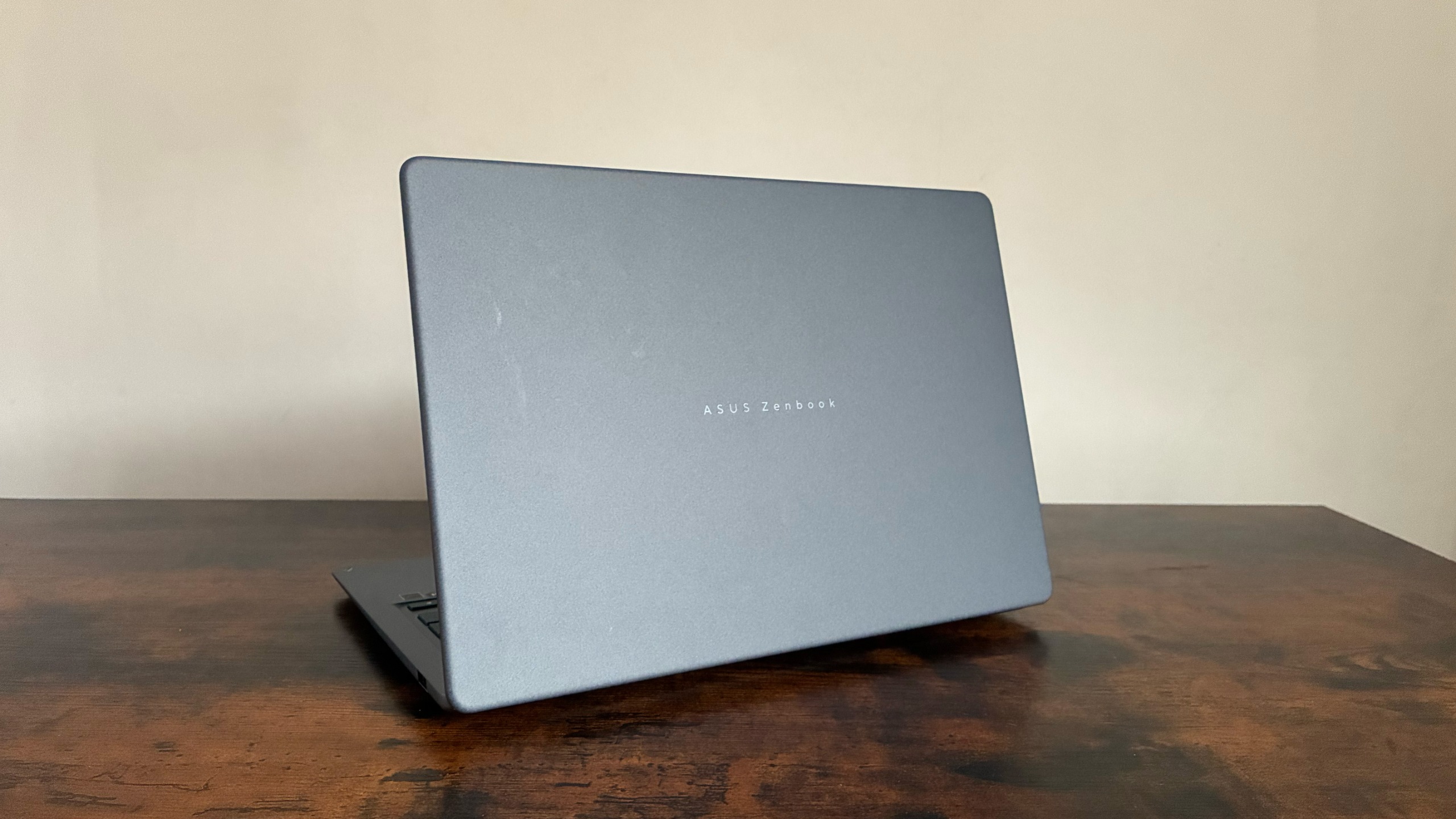 Asus Zenbook 14 (Snapdragon X UX3480Q) review
