Guardian job site hack hits half a million users
Half a million accounts have been compromised after the Guardian's jobs website was hacked this weekend.


-
 Anthropic teams up with Akamai in $11.6bn cloud partnership
News The expanded deal will help Anthropic meet “accelerating CPU workload demands”
-
 OpenAI and Anthropic could withhold new AI models from UK's AI Security Institute
News The move marks the second time Anthropic declined to submit a model for testing in the space of a month


-
 Passkeys will soon be the default authentication method in Microsoft Entra ID – here's what it means for users and when the changes come into effect
News The shift to passkeys for Microsoft Entra ID comes amidst growing concerns over AI-powered phishing and identity theft
-
 Fake North Korean IT workers are rampant on LinkedIn – security experts warn operatives are stealing profiles to apply for jobs and infiltrate firms
News The scammers' latest efforts mark a significant escalation in tactics, experts have warned
-
 Cyber teams are struggling to keep up with a torrent of security alerts
News Fragmented identity security processes are creating blind spots, and the proliferation of tools doesn't help
-
 The IT Pro Podcast: The front line of fraud tech
IT Pro Podcast With tools such as deepfakes, the future of fraud tech relies on cutting edge AI as much as good security practice
-
 Podcast transcript: The front line of fraud tech
IT Pro Podcast Read the full transcript for this episode of the IT Pro Podcast
-
 LAPSUS$ breached T-Mobile systems, stole source code
News T-Mobile has denied that the hackers obtained customer or government information
-
 Exclusive: Former Shiseido staff say company was aware of data breach weeks before official notice
News Fake companies were created using the stolen identities of hundreds of Shiseido employees, former staff claim
-
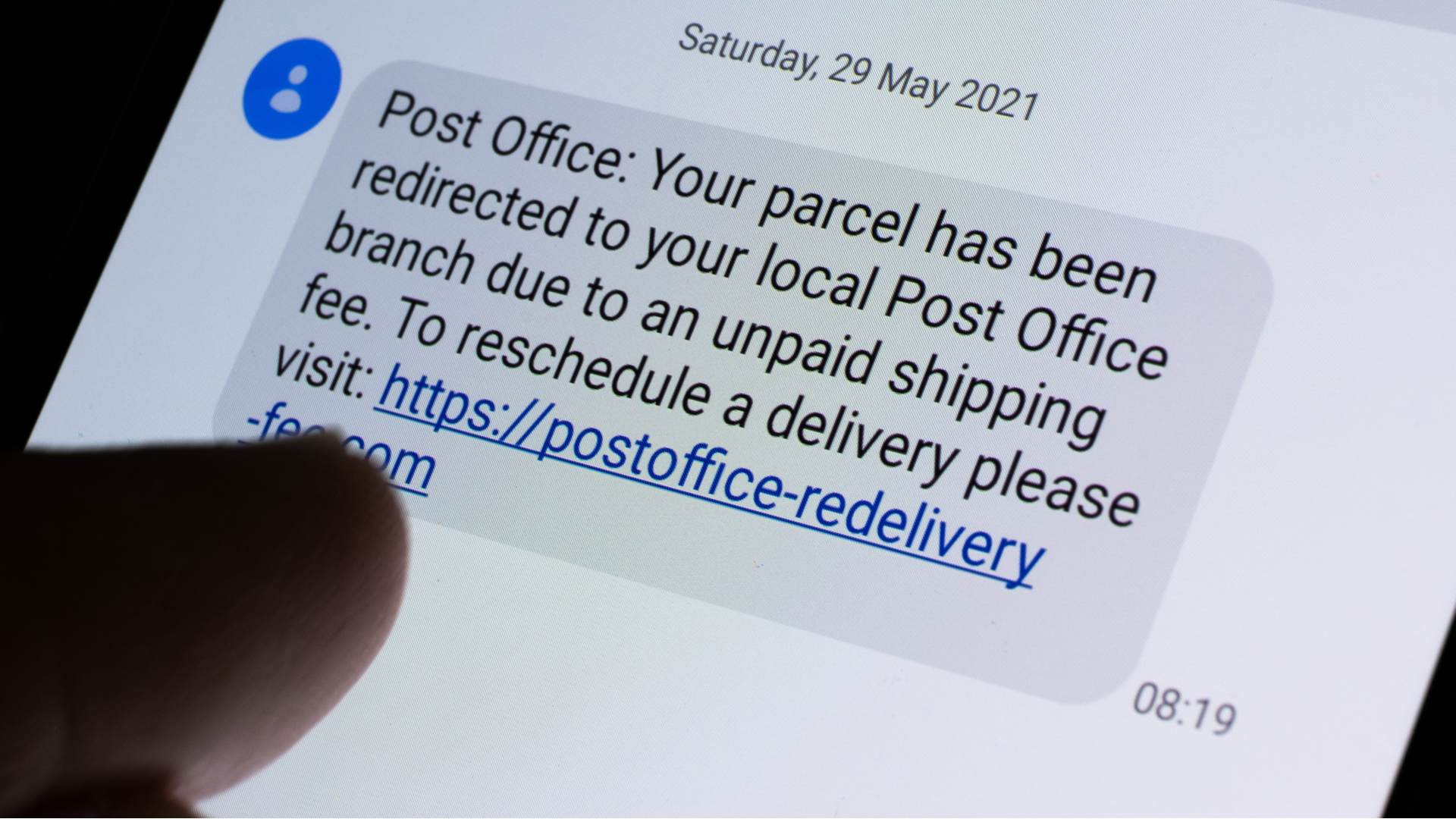 What is smishing?
In-depth A closer look at one of the most perilous forms of phishing


