Gartner: businesses should migrate to Windows 7 by 2012
Businesses should start testing the latest OS this year, the analyst firm has suggested.


-
 Why the MSSP model is broken, and how to fix it
Industry Insights CISOs are struggling to differentiate between MSSPs due to confusing metrics and SLAs
-
 eSentire partners with CMS Distribution to expand UK and Ireland channel reach
News CMS Distribution’s partner ecosystem now has access to eSentire’s cyber security and managed detection and response services


-
 Nearly two-thirds of enterprises could reduce software engineering teams by 2029 – but ‘tiny teams’ won’t be a disaster for engineers
News The influx of AI tools means many firms could create smaller, more agile teams to speed up development processes
-
 Agentic AI 'breaks the traditional SaaS seat licensing model' – now it’s up to vendors to ditch 'legacy dashboards' and build with agents in mind
News Incumbent software vendors will need to work harder than ever to compete with agile, AI-focused disruptors
-
 Why is Windows 11 so disliked by programmers – and can Microsoft do anything to change things?
Windows isn't the most useful OS in the eyes of developers, with programmers preferring macOS or Linux. But is its bad reputation uncalled for?
-
 AI is coming to Ubuntu: Canonical exec teases future AI features and agentic workflow capabilities for version 26.10 — but on a ‘strictly opt-in basis’
News A range of new AI features are coming to Ubuntu over the next year, according to maintainers, but only providing they’re of “sufficient maturity and quality”.
-
 European software spending is set to surge in 2026 – here's why
News Enterprises are approaching the “trough of disillusionment” with AI, but it’s not stopping them from spending
-
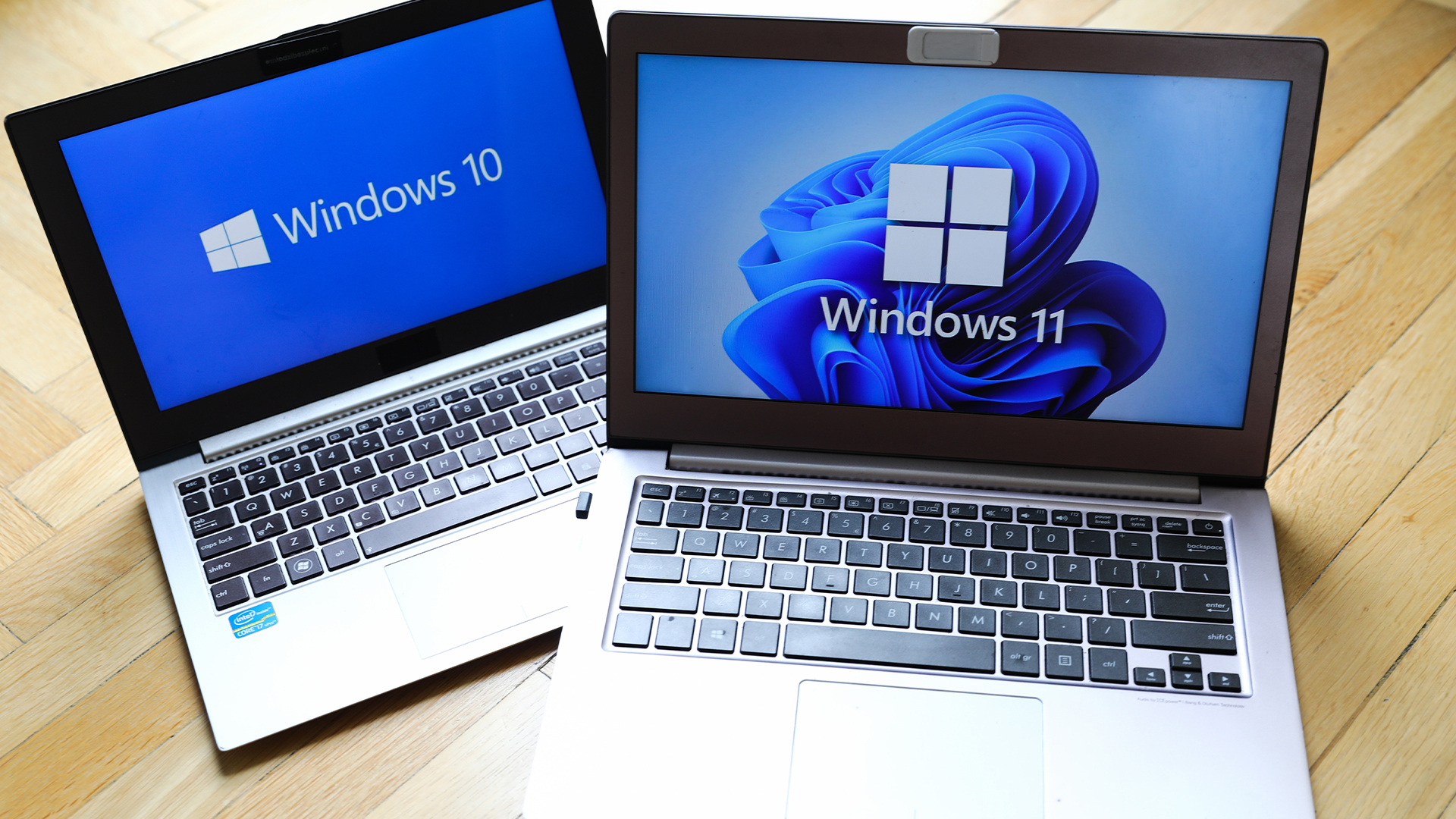 Windows 10 extended support costs could top $7 billion
News Enterprises sticking with Windows 10 after the October deadline face huge costs
-
 Software engineers are in for a rough ride as AI adoption ramps up – 80% will be forced to upskill by 2027 as the profession is transformed
News The technology will create new roles throughout software engineering and operations, the firm said
-
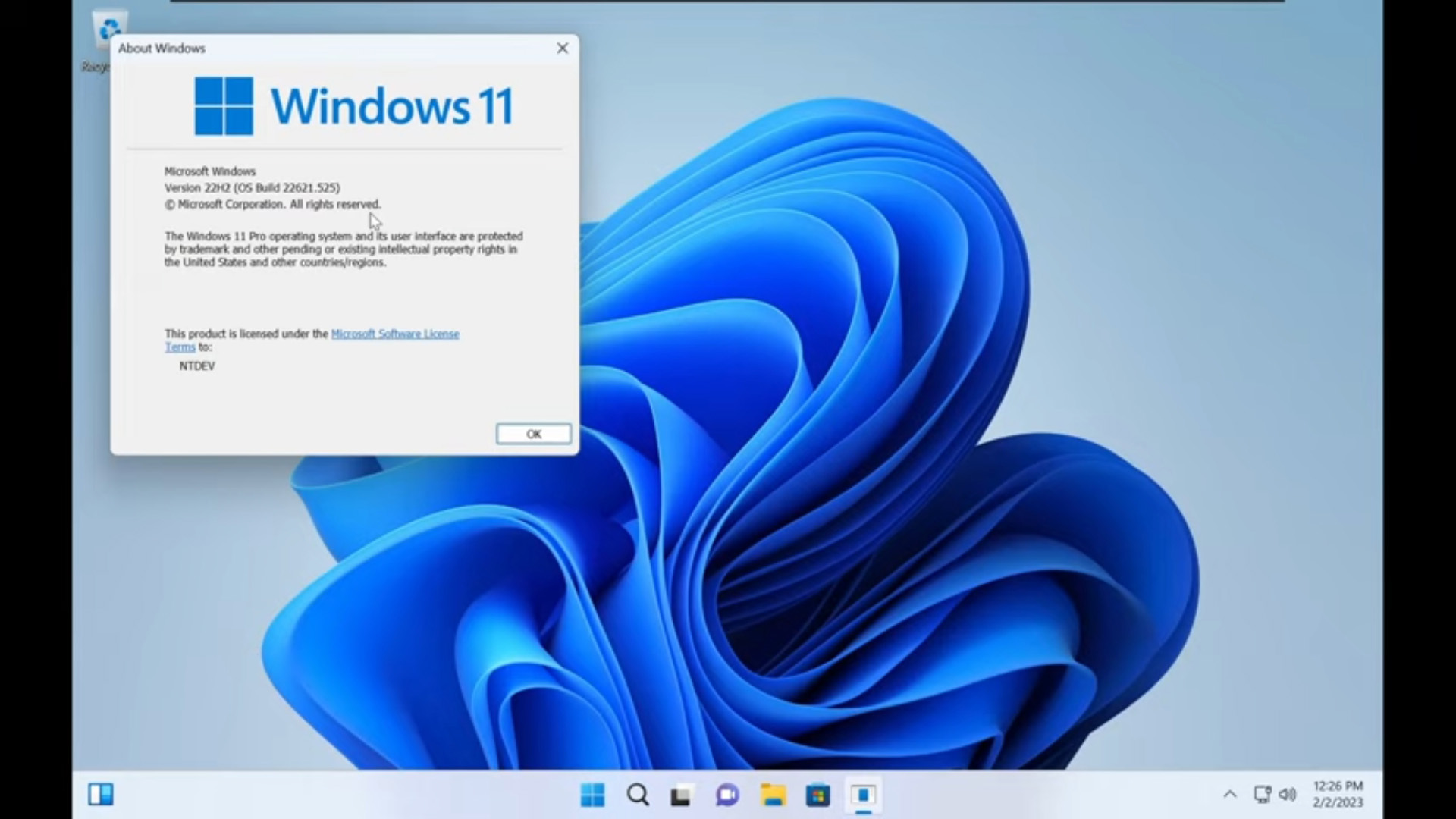 Tiny11 review: Windows 11 with only 2GB of RAM
Review A version of Windows 11 for older machines that don't meet the full requirements


