
COMMENT AMD has launched its latest range of server processors, the Opteron 6200 and 4200 series chips, otherwise known as Interlagos and Valencia, including a stonking 16-core model.
Naturally, AMD claims its new chips are faster and run cooler than Intel's Xeon processors, but the silicon underdog also claims the new Opterons are perfect for the cloud too - 'Core of the cloud' as AMD's marketing slogan wittily puts it. However, to us it sounds like AMD is jumping on the cloud bandwagon for marketing purposes and the bandwagon is creaking.
AMD's position is fairly straightforward. The new Opterons pack greater processor density into the same amount of rack space as their predecessors without a corresponding increase in power and cooling requirements. Naturally, this sounds perfect for datacentres providing cloud services. Increasing processing power without having to invest in more racks and coolers means you can provide cloud services to more users/customers and potentially pass on the cost savings to those customers.
However, it's worth bearing in mind AMD's somewhat precarious commercial position. Arch-rival Intel has whittled away AMD's market share of the lucrative server processor market just as many of the servers we review on IT Pro have Intel Xeons as AMD Opterons, if not more. The cloud, for better or worse, is the buzzword of the moment and piggybacking on the hype surrounding the cloud is a surefire way to attract attention and market awareness. Both of which are what AMD needs if it's to sell more processors.
That's not to say AMD's claims are necessarily baseless. Cloud providers would of course benefit from increased processing density. AMD's numerous improvements in the new Opterons, from the TurboCore condition-based temporary clock speed boosting technology to the TDP Power Cap method of conserving power without apparently decreasing clock speeds, would benefit cloud providers.
But they would also benefit just about every datacentre, whether or not they're providing cloud services we'd be surprised if there were any datacentre managers who wouldn't want increased processing density and energy efficiency. Especially in an era of tightened budgets and higher energy costs.
What would allay our scepticism is some reassurance that Interlagos and Valencia are but the first steps in a long-term plan. AMD was keen to trot out spokespersons from software and OS partners like Red Hat and VMWare at its Munich launch event for Interlagos to show third-party support for the new Opterons. Third-party support can be fickle though, especially if the future is in doubt.
Sign up today and you will receive a free copy of our Future Focus 2026 report - the leading resource for IT decision-maker insight on priorities and investment areas in AI, security and more.
While we wouldn't expect AMD to divulge its entire product road map, some hints as to what role Fusion-style APUs could play in servers would be welcome. Intel may not necessarily be any better at executing ambitious long-term plans when it comes to massively multi-core and APU-style processors (Larrabee anyone?), but AMD may have to worry about ARM which may be on the rise as a serious competitor in the server market.
In short, we don't think pitching its processors as perfect for the cloud is the market share magic bullet AMD is hoping for. We'd love to be proven wrong though if only because competition is good for your business and the technology it uses.
-
The OpenAI and Anthropic containment breaches are a bit spooky, but also quite sillyOpinion An AI leaving notes to future versions of itself is pure sci-fi; forgetting to lock down an environment is prosaic
-
Bringing data to the heart of AISponsored AI is changing our approach to data, find out how HPE Alletra Storage can help your business
-
AMD partners with Cerebras for ultra-low latency AI infrastructureNews The solution brings together AMD Helios and Cerebras Wafer-Scale Engine into a single solution
-
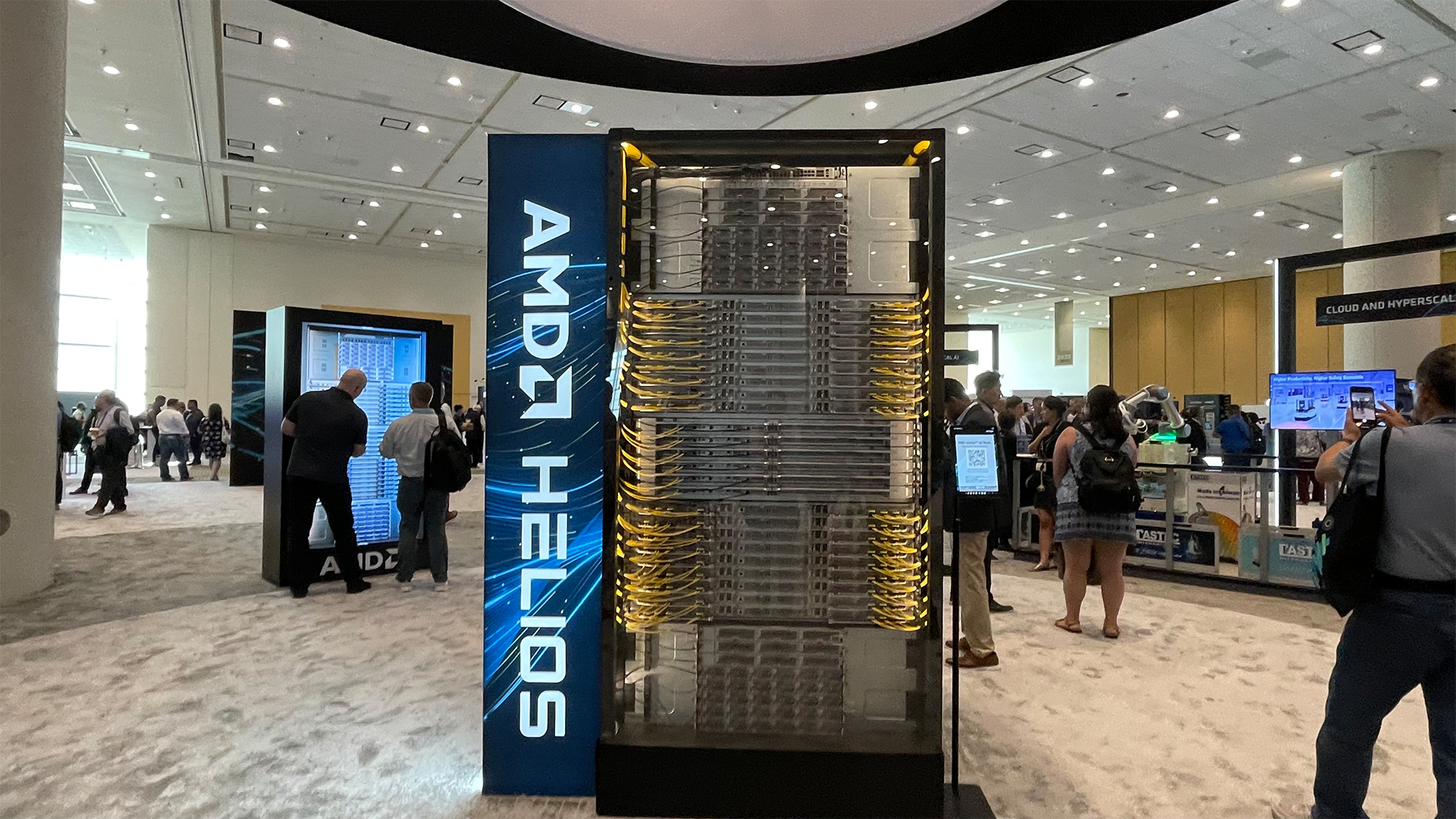
AMD Advancing AI 2026: Helios on the rise, with launch of new Instinct GPUsNews The rack-scale architecture announced in 2025 is finally rolling off the production line
-
AMD adds Microsoft to its growing roster of Helios customers as firm launches three new VMs for Azure usersNews The collaboration marks the latest big tech customer for AMD’s “game changer” Helios system
-

What to expect at AMD Advancing AI 2026Here are three things I expect to hear about at AMD’s annual get together – and one I don’t
-

Looking to build an AI data center? Here’s five reasons to go with AMD EPYC CPUsHigh core density, inference, and scalability are just some of the benefits of an AMD EPYC CPU
-
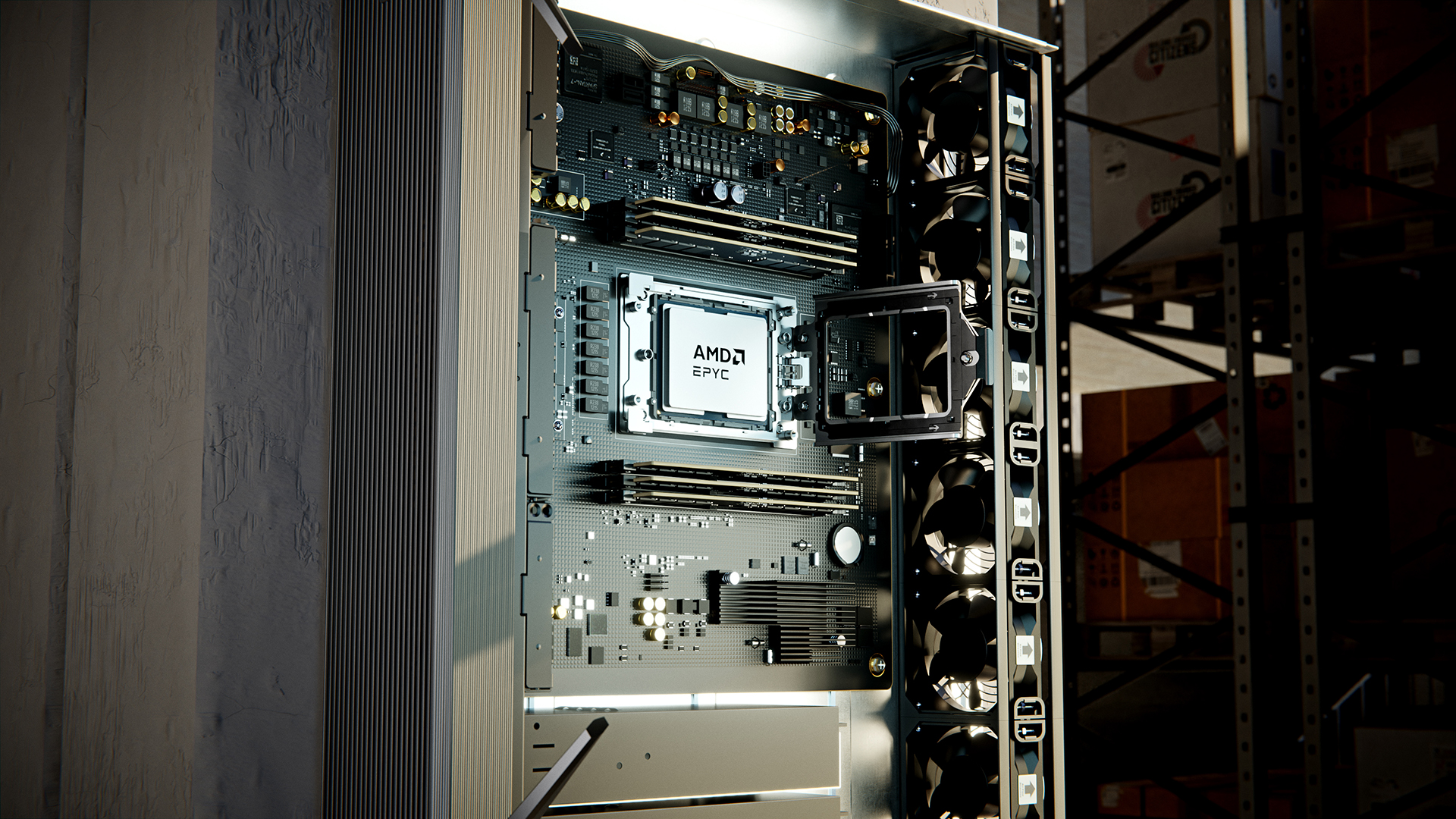
How AMD EPYC CPUs and AMD Instinct GPUs are powering the world's HPC facilitiesSponsored AMD offers powerful chipsets for AI and traditional HPC workloads, including native FP64 support
-
‘The United Kingdom has the talent, research excellence and ambition to help lead the next era of AI’: AMD chief exec Lisa Su touts UK’s AI potential as firm eyes £2bn investmentNews The deal will see a new AI supercomputer built in Cambridge and partnerships with Imperial College London and Oriole Networks
-
IBM strikes Arm deal in AI-focused hardware pushNews The companies say they want to help enterprises run future AI and data intensive workloads more flexibly