How the Data Protection Act's death will punish the UK economy
If the UK hands over data protection duties to the EU, it will scare off future foreign investment, says Tom Brewster.


-
 5 reasons every AI team needs a deskside agentic AI accelerator like the Dell Pro Max with GB10
Sponsored The Dell Pro Max with GB10 can help enterprises kickstart and scale their agentic AI adoption journey
-
 10 reasons to choose the Dell Pro 5 for your business
Sponsored The Dell Pro 5 laptop is a productivity powerhouse, hitting the sweet spot businesses like yours


-
 UK government calls on firms to sign Cyber Resilience Pledge as security sector booms
News With new figures showing a boom in the country's cybersecurity sector, the government calling on businesses to make the most of the industry’s expertise
-
 "Consumer messaging apps were never designed to handle sensitive communications" – Government decision-makers are confused about messaging security, BlackBerry report finds
News Despite official warnings, they're still routinely using WhatsApp for confidential communications
-
 ‘Reducing reliance on foreign tech infrastructure is key’ to European tech success – and its survival
News MEPs have once again called for decreased reliance on foreign tech infrastructure
-
 EU lawmakers want to limit the use of ‘algorithmic management’ systems at work
News All workplace decisions should have human oversight and be transparent, fair, and safe, MEPs insist
-
 Cyber pros say the buck stops with the board when it comes to security failings
News Fines, sanctions, and even prosecution are all on the table when it comes to cyber failings, practitioners believe
-
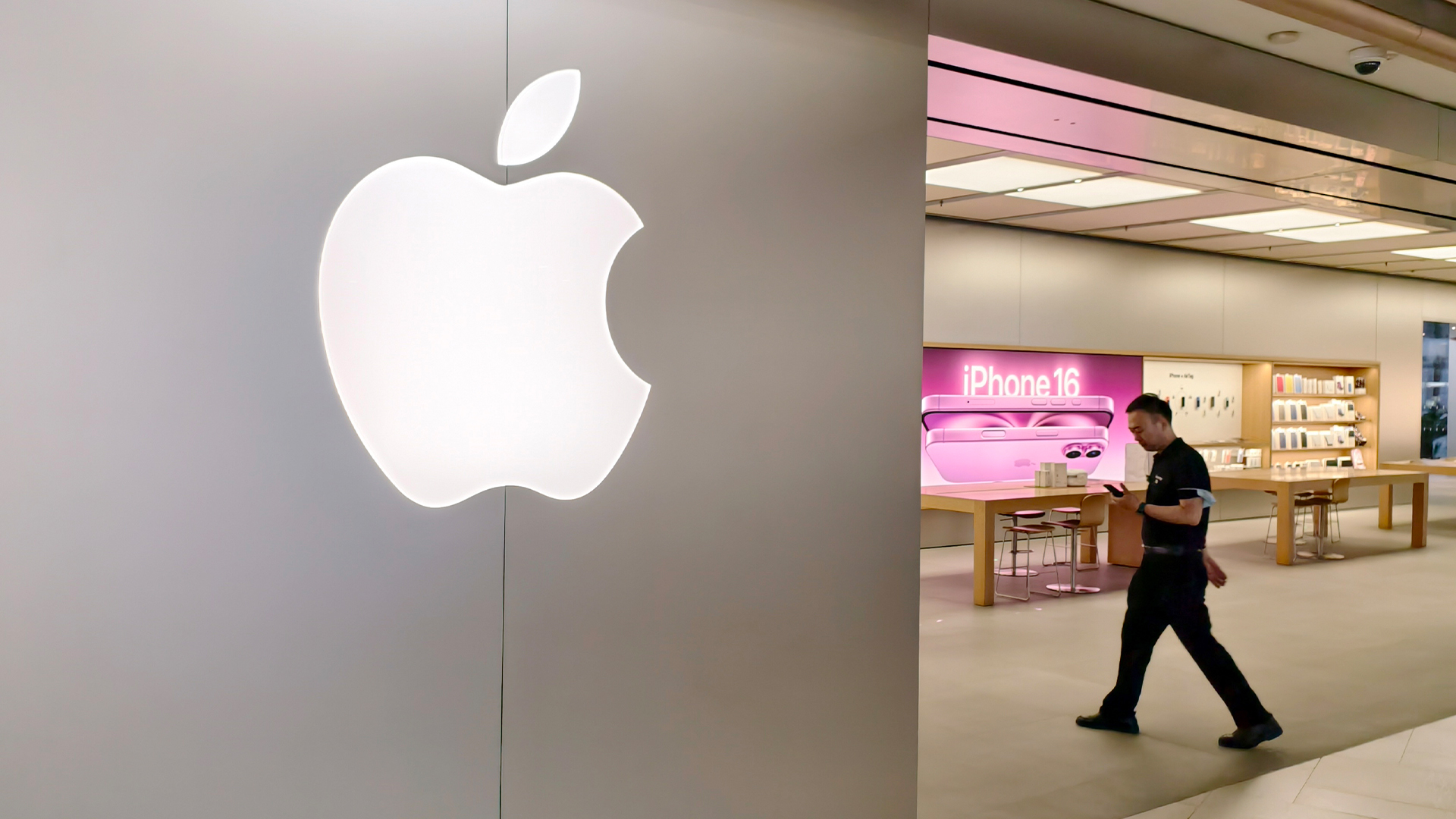 ‘Hugely significant’: Experts welcome UK government plans to back down in Apple encryption battle – but it’s not quite over yet
News Tulsi Gabbard, US director of national intelligence, has confirmed the UK plans to back down on plans that would see Apple forced to create a "back door" for authorities.
-
 ‘A huge national security risk’: Thousands of government laptops, tablets, and phones are missing and nowhere to be found
News A freedom of information disclosure shows more than 2,000 government-issued phones, tablets, and laptops have been lost or stolen, prompting huge cybersecurity concerns.
-
 Scania admits leak of data after extortion attempt
News Hacker stole 34,000 files from a third-party managed website, trucking company says


