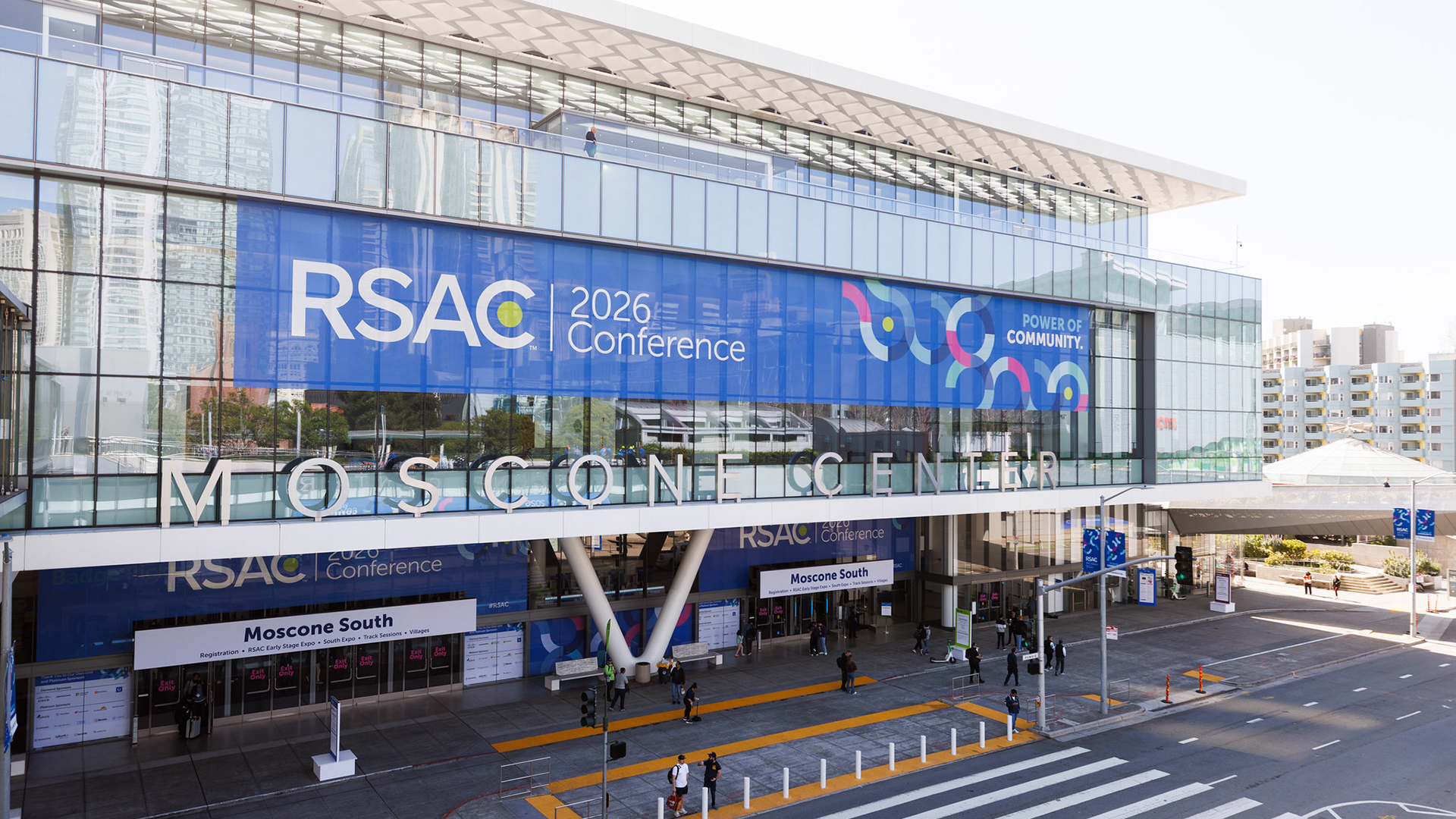
RSA's Art Coviello: Security industry going through hell
A year after the hack on RSA, Art Coviello says the entire security industry has been going through 'hell.'
RSA chairman Art Coviello opened his company's premier conference today by saying security providers have been "going through hell in the last 12 months."
Coviello was in boisterous mood during the RSA 2012 keynote as he took to the stage a year after the successful hack of his own business, saying the industry was facing some "harsh realities."
"Never have so many security firms been attacked directly," Coviello said.
"An attack on one of us is an attack on all of us, but together we can all learn from these experiences and emerge from this hell, smarter and stronger than we were before.
An attack on one of us is an attack on all of us.
"As Winston Churchill once said, if you're going through hell keep going... We must fight back the only way we know how, through creativity and innovation."
Coviello issued a rallying call for the industry to produce different kinds of technologies, insisting vendors needed to move away from the old, perimeter-focused mentality.
Sign up today and you will receive a free copy of our Future Focus 2025 report - the leading guidance on AI, cybersecurity and other IT challenges as per 700+ senior executives
The industry should focus on creating technologies that leverage big data to gather information on threats to then counter them, he said.
The end point protections of old are not good enough, nor are they flexible enough, the RSA chairman added.
"Today's systems are a patchwork of controls... serving up far too much data and not enough intelligence," he said.
Earlier today, RSA moved to align itself with a security start up that is pushing such innovation and moving away from the classic signature-based models.
The deal with Zscaler will see the two selling a product that combines the agent-less, cloud-based model of the start up with RSA's well-known authentication services.
Tom Brewster is currently an associate editor at Forbes and an award-winning journalist who covers cyber security, surveillance, and privacy. Starting his career at ITPro as a staff writer and working up to a senior staff writer role, Tom has been covering the tech industry for more than ten years and is considered one of the leading journalists in his specialism.
He is a proud alum of the University of Sheffield where he secured an undergraduate degree in English Literature before undertaking a certification from General Assembly in web development.
-
What is the Solid Project and what could it mean for businesses?Explainer Decentralized data stores could give customers more control over their data – with seismic implications for enterprise data management
-
Microsoft researchers say you probably shouldn’t trust AI with work documentsNews A research paper from Microsoft shows AI degrades documents over longer workflows
-
The key risks security teams face in 2026From AI-related flaws to supply chain risks, cyber professionals now contend with overlapping challenges
-
Observability will be key to agentic AI safety, says Microsoft Security execNews Agentic AI adoption will require a re-evaluation of enterprise risk management, according to Microsoft corporate VP
-
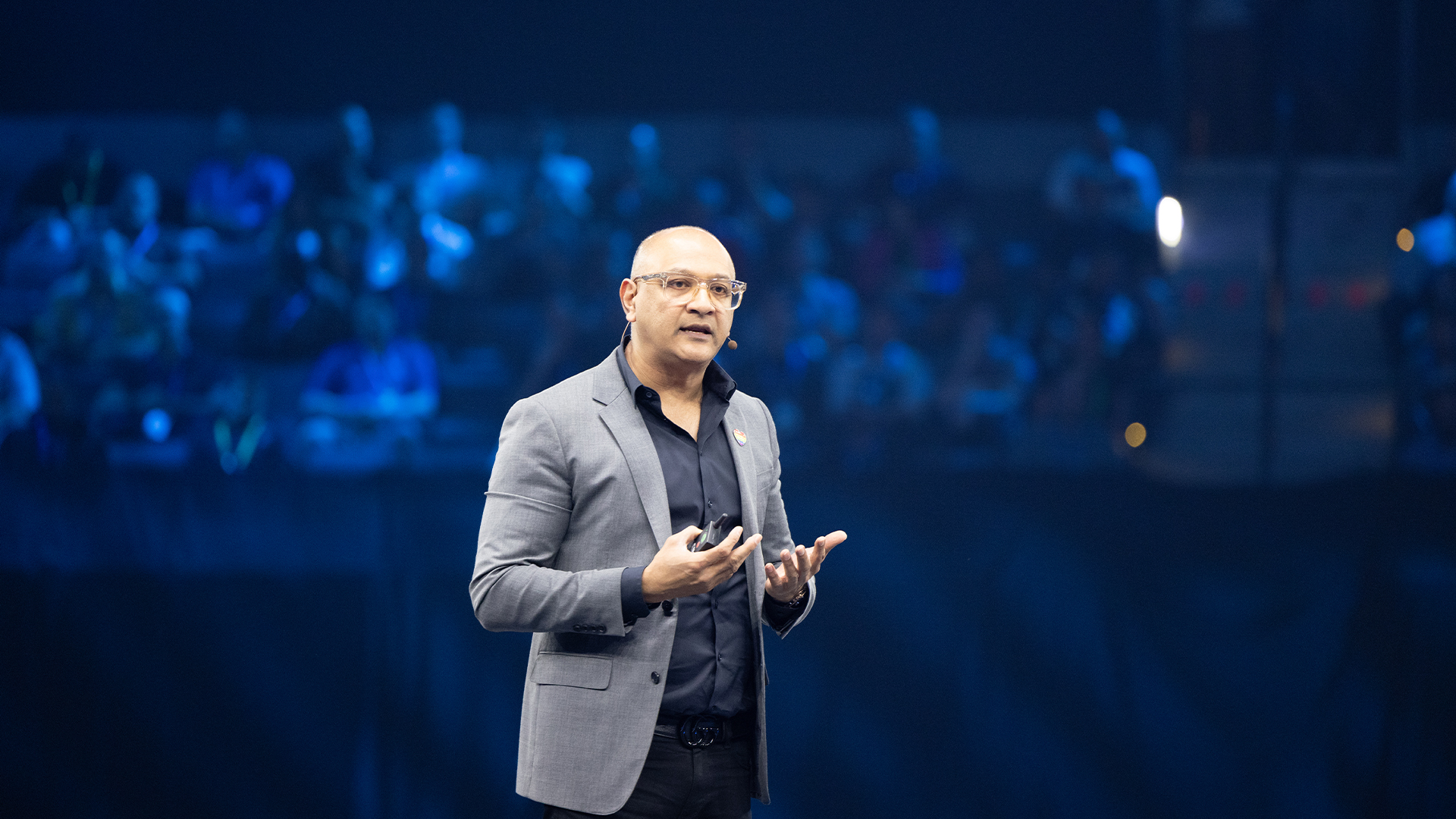
Enterprises need to think of agents as ‘digital co-workers’ – and that means implementing the same security safeguardsNews Practices such as zero trust and least privilege will be needed as agents gain access to sensitive enterprise data
-
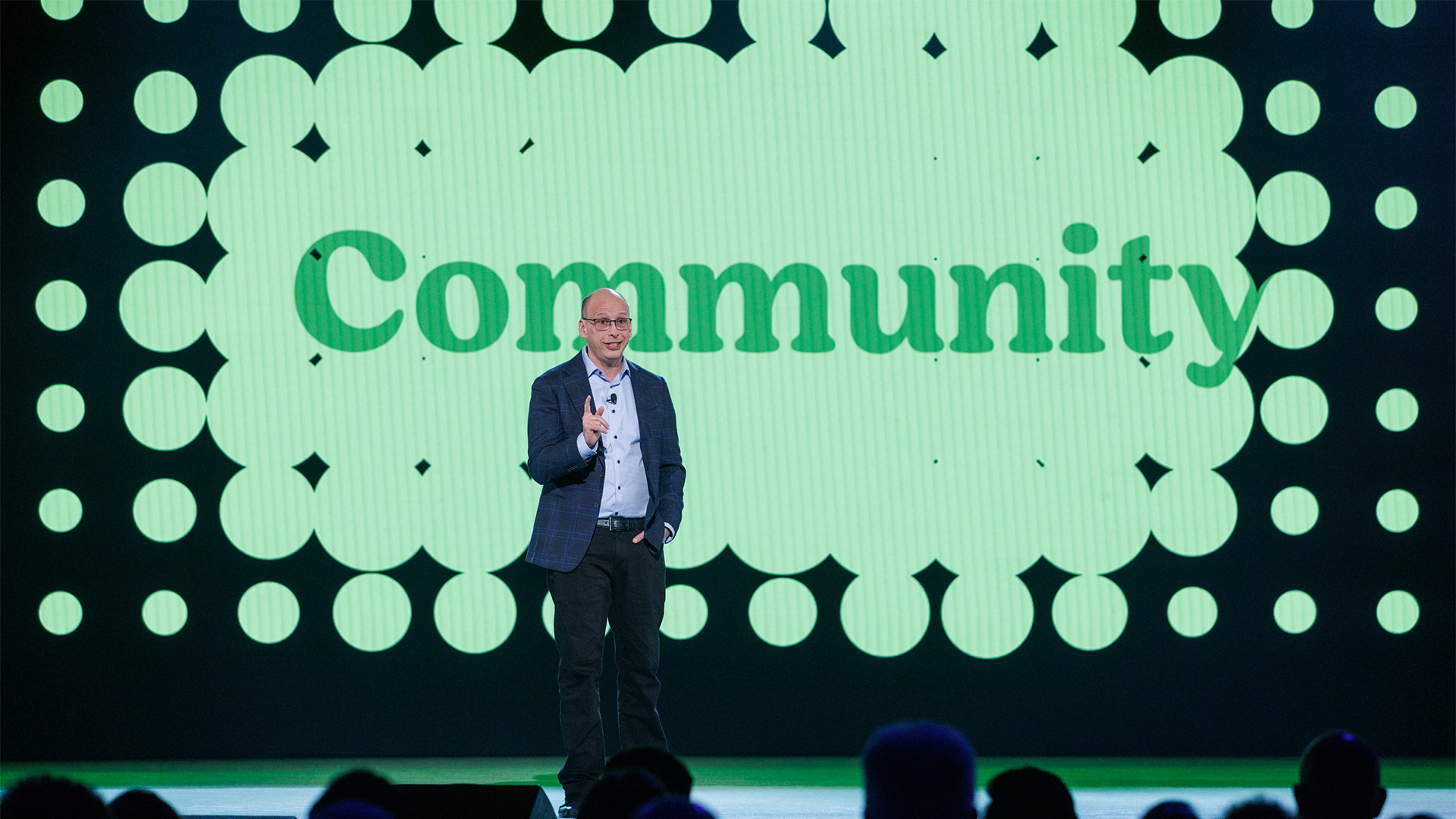
Safe AI adoption rests on cybersecurity professionals, says RSAC chairmanNews With AI security a key talking point at RSAC 2026, executive chairman Hugh Thompson believes the industry can lead by example
-

Scania admits leak of data after extortion attemptNews Hacker stole 34,000 files from a third-party managed website, trucking company says
-

RSAC in focus: Key takeaways for CISOsThe RSAC Conference 2025 spotlighted pivotal advancements in agentic AI, identity security, and collaborative defense strategies, shaping the evolving mandate for CISOs.
-

RSAC in focus: Quantum computing and securityExperts at RSAC 2025 emphasize the need for urgent action to secure data against future cryptographic risks posed by quantum computing
-

RSAC in focus: How AI is improving cybersecurityAI is revolutionizing cybersecurity by enhancing threat detection, automating defenses, and letting IT professionals tackle evolving digital challenges.