European Commission opens public consultation on long-awaited draft for high-risk AI guidelines
Guidance aims to help organizations and regulators decide whether their AI products and deployments need to conform to tougher rules


-
 NetApp ticks another hyperscaler box with Oracle Cloud Infrastructure deal
News The deal with Oracle brings the number of native hyperscaler integrations to four at NetApp
-
 Integrating probabilistic programming in enterprise risk management
Probabilistic risk modeling can transform statistical predictions into a programming language, making outputs more dynamic


-
 This new technique could improve AI output accuracy by 80% – and tackle hallucinations once and for all
News Researchers believe the new method will improve accuracy and help reduce costs
-
 What makes a successful AI scale-up?
News Barclays Eagle Labs lists its top 100, and finds the UK in a very promising place
-
 Internal memo suggests Meta will lay off 10% of its employees, with a further 10% set to be transferred to better focus on AI
News Memo suggests another round of restructuring is set to hit Meta and its staff
-
 Chief data officers believe they'll be a 'pivotal' force in in the C-suite within five years
News Chief data officers might not be the most important execs in the C-suite right now, but they’ll soon rank among the most influential figures, according to research from Deloitte.
-
 Cisco promises AI training for a million Americans
News The company joins Amazon, Google, and Microsoft in support of the government's Pledge to America's Youth – Investing in AI Education
-
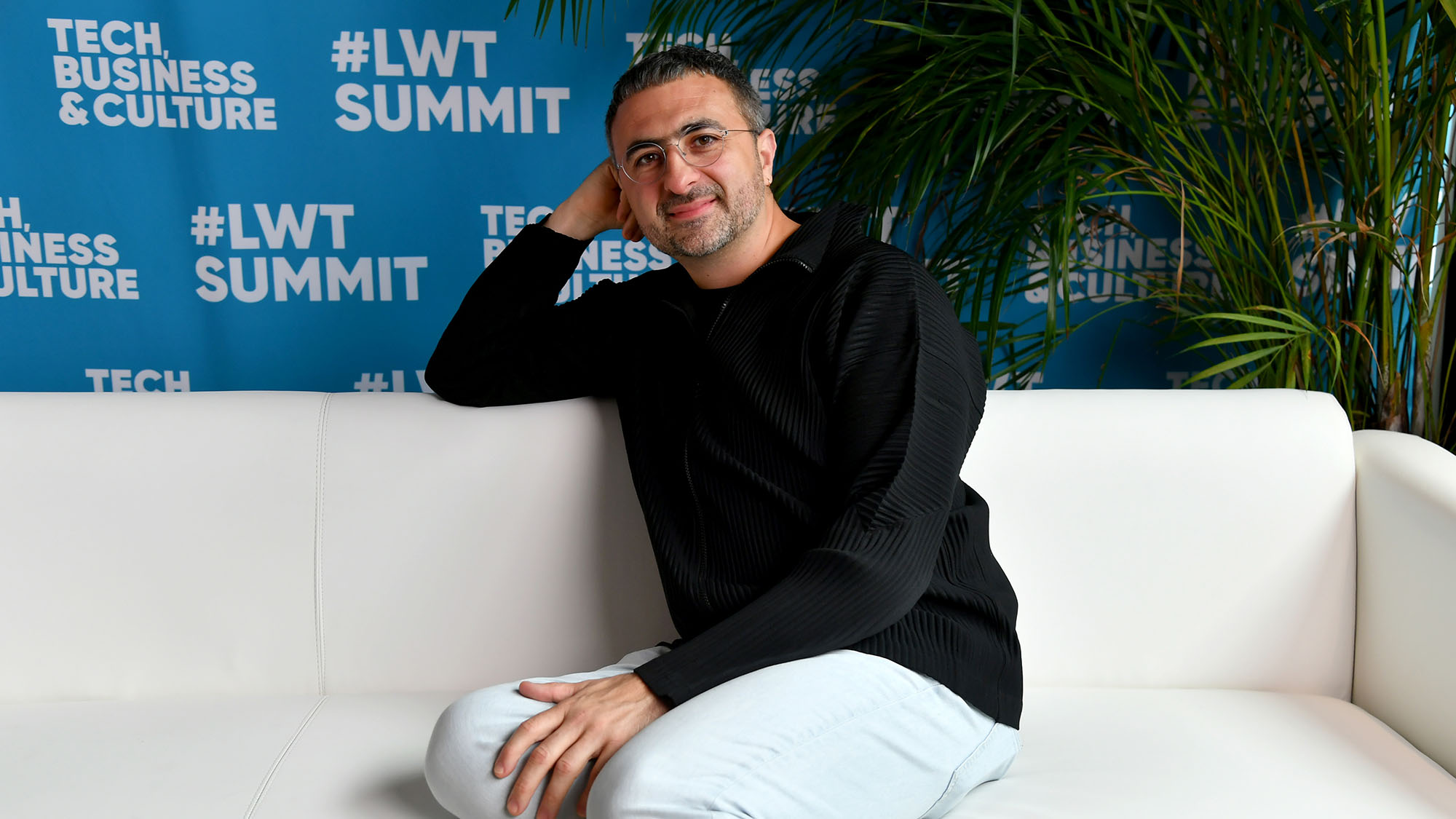 Who is Mustafa Suleyman?
From Oxford drop out to ethical AI pioneer, Mustafa Suleyman is one of the biggest players in AI
-
 Lenovo promotes Per Overgaard to general manager for ISG EMEA
News Overgaard will spearhead Lenovo's Infrastructure Solutions Group as organizations continue to invest in AI and advanced infrastructure
-
 We spoke to over 700 IT leaders to hear their tech strategy plans for 2025 – here's what we learned
News ITPro's Future Focus report shows AI, cybersecurity, and cloud remain top of the priority list for IT leaders in 2025.


