Red Hat doubles down on data sovereignty with new features for OpenShift, Enterprise Linux, and more
The company says new sovereignty capabilities will offer greater autonomy to IT decision-makers and service providers


-
 Anthropic teams up with Akamai in $11.6bn cloud partnership
News The expanded deal will help Anthropic meet “accelerating CPU workload demands”
-
 OpenAI and Anthropic could withhold new AI models from UK's AI Security Institute
News The move marks the second time Anthropic declined to submit a model for testing in the space of a month


-
 US cloud 'kill switch' is as dangerous as ransomware, European businesses fear
News More than half reckon they couldn't last more than a day without cloud services
-
 Airbus announces cloud deal with Scaleway in digital sovereignty push
News The move by Airbus comes amidst growing concerns about digital sovereignty and the influence of US-based hyperscalers
-
 Kyndryl expands sovereignty services with Microsoft cloud deal
News As organizations face increasingly complex regulatory frameworks, the company wants to provide practical, scalable architectures
-
 Two thirds of UK enterprises want to ditch US cloud providers – but they're stuck paying a hefty 'sovereignty tax' that keeps them locked in
News Concerns over data sovereignty, privacy, and the impact of outages are reshaping perception of US hyperscaler services
-
 New framework allows EU firms to check if 'sovereign' cloud services are truly sovereign
News CISPE is worried that EU sovereignty efforts aren't strict enough and allow US providers to continue to dominate
-
 European Commission awards digital sovereignty contracts, backs Google Cloud involvement
News The Commission has picked four providers to offer services for EU bodies, but one consortium includes Google Cloud
-
 Red Hat, Google Cloud eye legacy modernization gains with partnership expansion
News Red Hat wants to make it easier to migrate and modernize applications
-
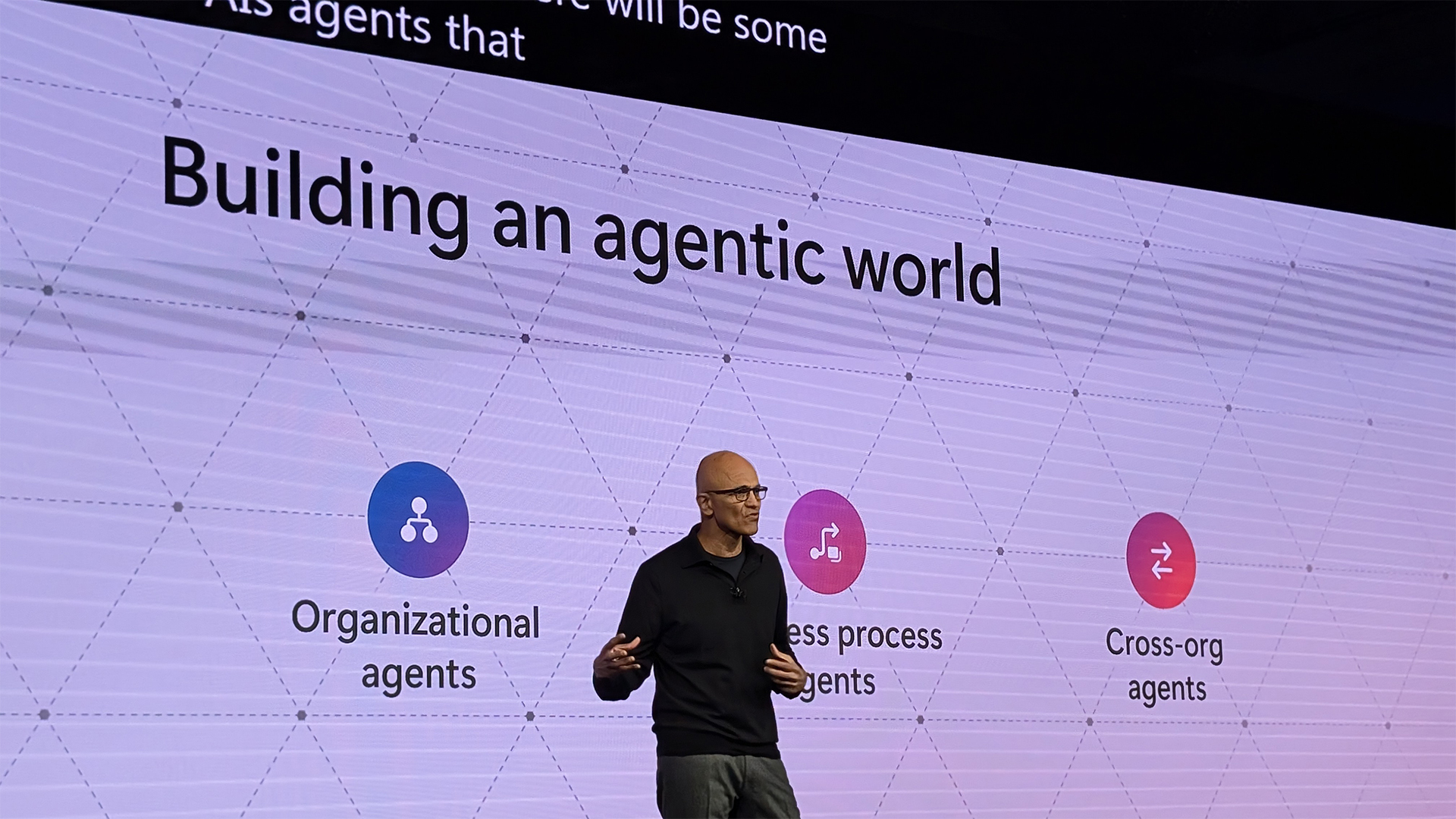 Microsoft CEO Satya Nadella talks up sovereign cloud credentials as firm announces general availability for Azure Local Disconnected, new capabilities for Foundry Local
News As Microsoft hands more control to customers, Satya Nadella touts the tech giant’s growing sovereign ecosystem


