-
 Why architecture matters more than you think in cyber resilience
Whitepaper Discover how the right cyber resilience architecture scales data protection while drastically reducing server requirements, energy consumption, and your overall operational footprint
-
 Israeli digital ad agency caught serving first in-the-wild zero-click spyware
News Discover-Tech's zero-click technique, dubbed "AdFection", installed spyware on the phones of targets around the world


-
 Microsoft is ending support for the Remote Desktop app – here are three alternatives you can try instead
News Microsoft has announced plans to end support for its Remote Desktop application in just over two months.
-
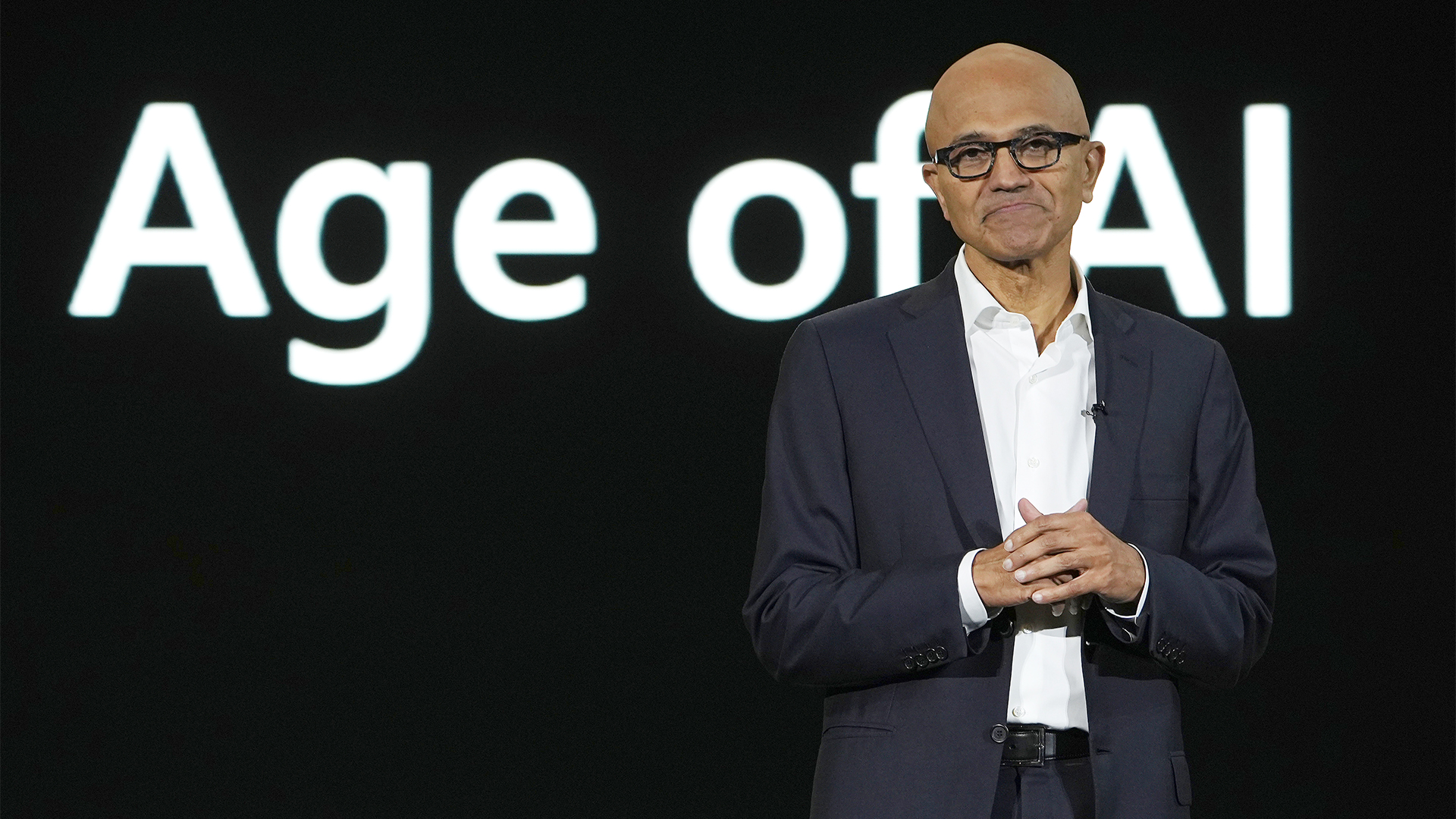 Microsoft's huge AI spending has investors worried – now the company is changing its financial reporting to highlight successes
News The move comes as investors want more evidence that Microsoft’s AI investment will pay off
-
 Could Python in Excel be a boon for cryptocurrency miners?
Opinion Free Python compute resource on offer via Microsoft 365 beta preview – what could possibly go wrong?
-
 Microsoft defends “negligent” security approach that prolonged vulnerability fix for five months
News The tech giant has refuted claims that its practices have left customers “in the dark”
-
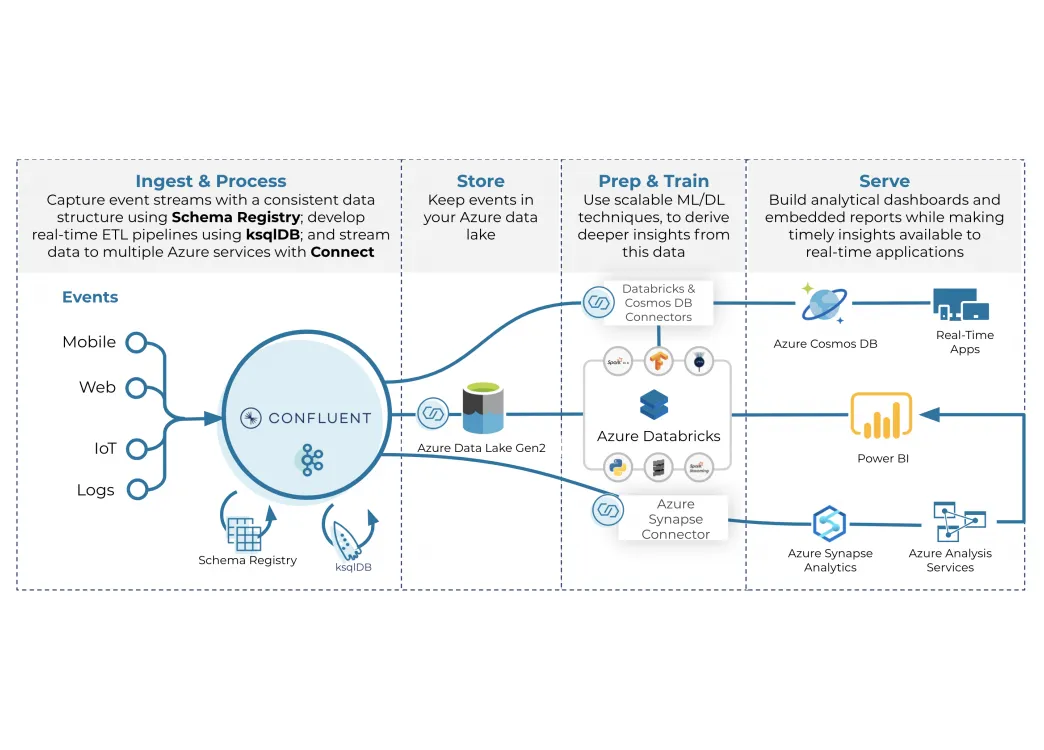
 Microsoft Build 2023: Microsoft Fabric and oodles of Azure AI integrations announced
News Microsoft Fabric aims to greatly improve developer productivity and simplify real-time analytics
-
 Five ways to reduce Kubernetes costs
Tutorials With cutting expenditure a business imperative, there are several ways enterprises can reduce Kubernetes costs
-
 Azure spending notifications for customers unavailable until March, Microsoft warns
News Customers have been advised to manually monitor Azure usage and costs until a fix is implemented
-
 Microsoft cloud revenue still sky-high as device sales continue to slide
News The company's latest earnings call revealed that Azure cloud products delivered better-than-expected results while numbers in other divisions fell substantially


