AI demand driving up Apple prices, says Cook
Tim Cook says that rising component costs mean consumers have to pay more


-
 Why enterprise software is becoming harder – not easier – to buy
In-depth AI add-ons, consumption pricing, overlapping tools, and complex licensing are making software procurement increasingly difficult. This is forcing IT leaders to rethink how they evaluate value and risk
-
 Why AI-scale infrastructure depends on a new era of power delivery for MSPs
Industry Insights For modern AI compute, power delivery has become key in MSPs' success.


-
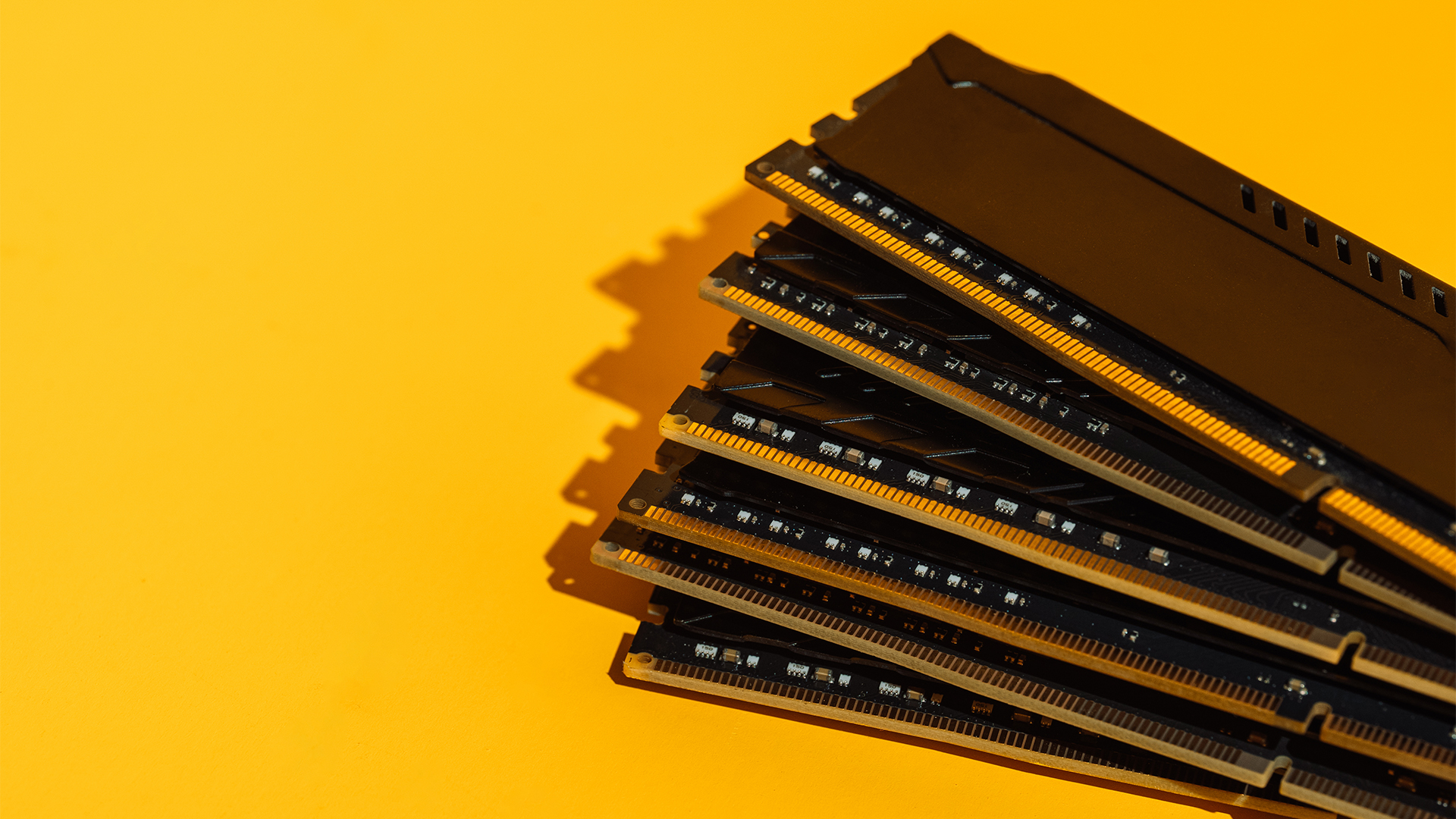 The memory shortage is hitting PC sales hard, but vendor revenues are still growing at the expense of consumers
News AI-driven component shortages are hurting PC sales, but device vendors are recording solid revenue growth
-
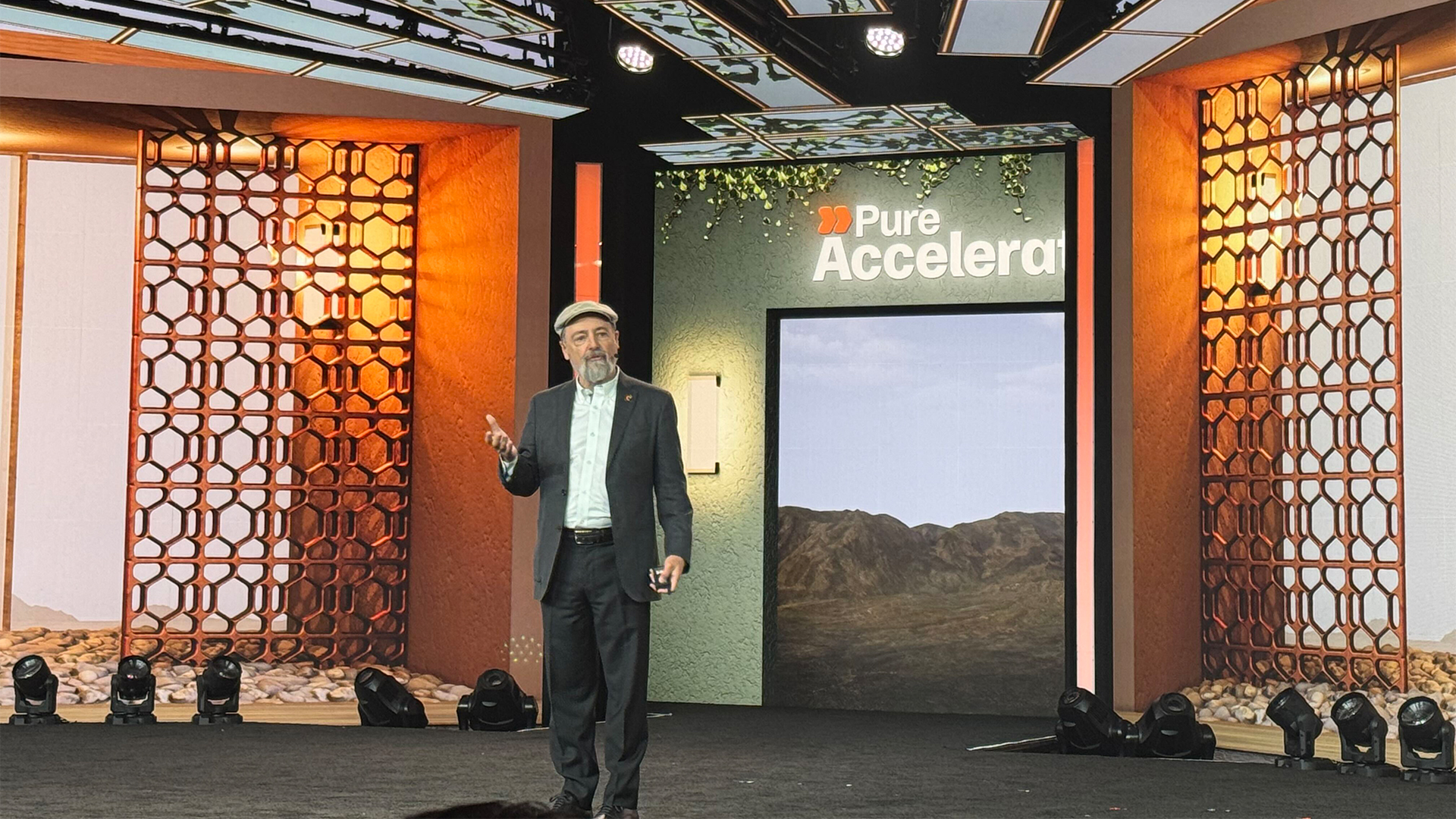 ‘We want to be able to share the pain with you’: Everpure CEO Charlie Giancarlo says firm will share the burden with customers amid rising hardware costs
News The Everpure chief thanked customers for “sticking with us” at Pure Accelerate 2026
-
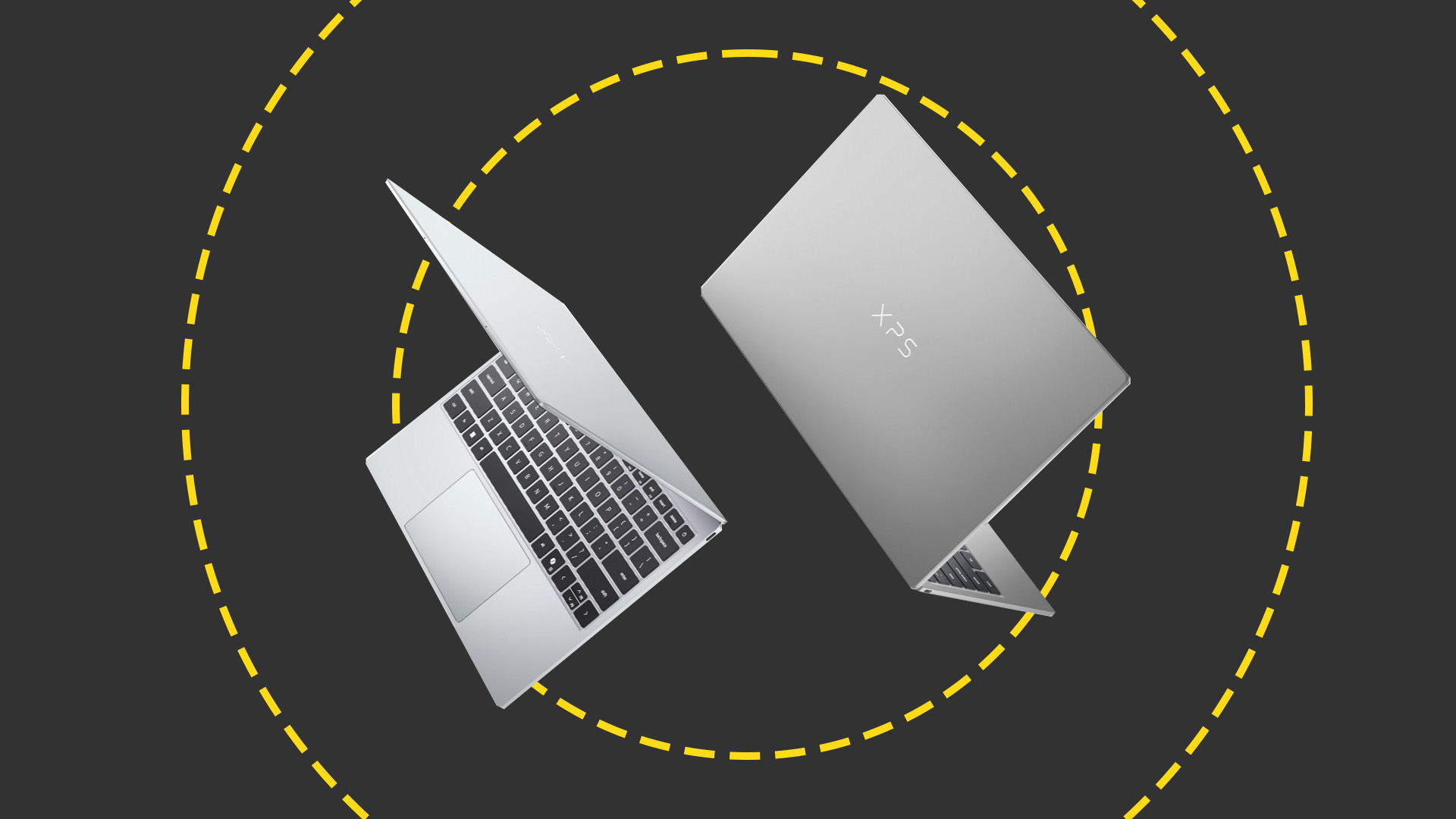 Dell sets the stage for a MacBook Neo showdown with budget XPS 13 laptop range
News The XPS 13 and MacBook Neo could be slugging it out in the budget hardware space
-
 Apple turns 50: here are ITPro's favorite devices
Opinion From a garage in California to one of the world’s most celebrated companies, Apple has spent five decades building some of our favorite tech products
-
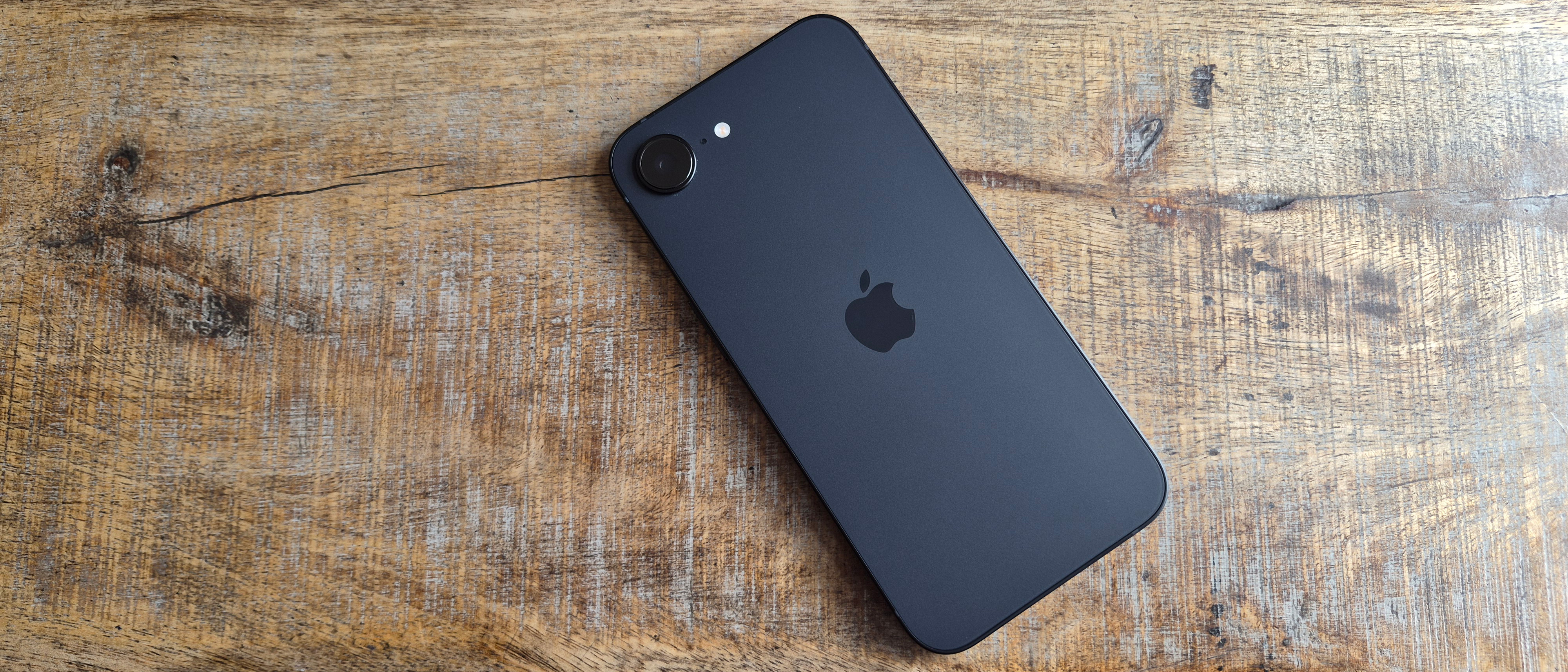 I love it when Apple makes a great budget device, and the iPhone 17e is an affordable powerhouse – the battery life is amazing
Reviews Top-tier chip, long battery life, and MagSafe connections – the iPhone 17e is a winner across the board
-
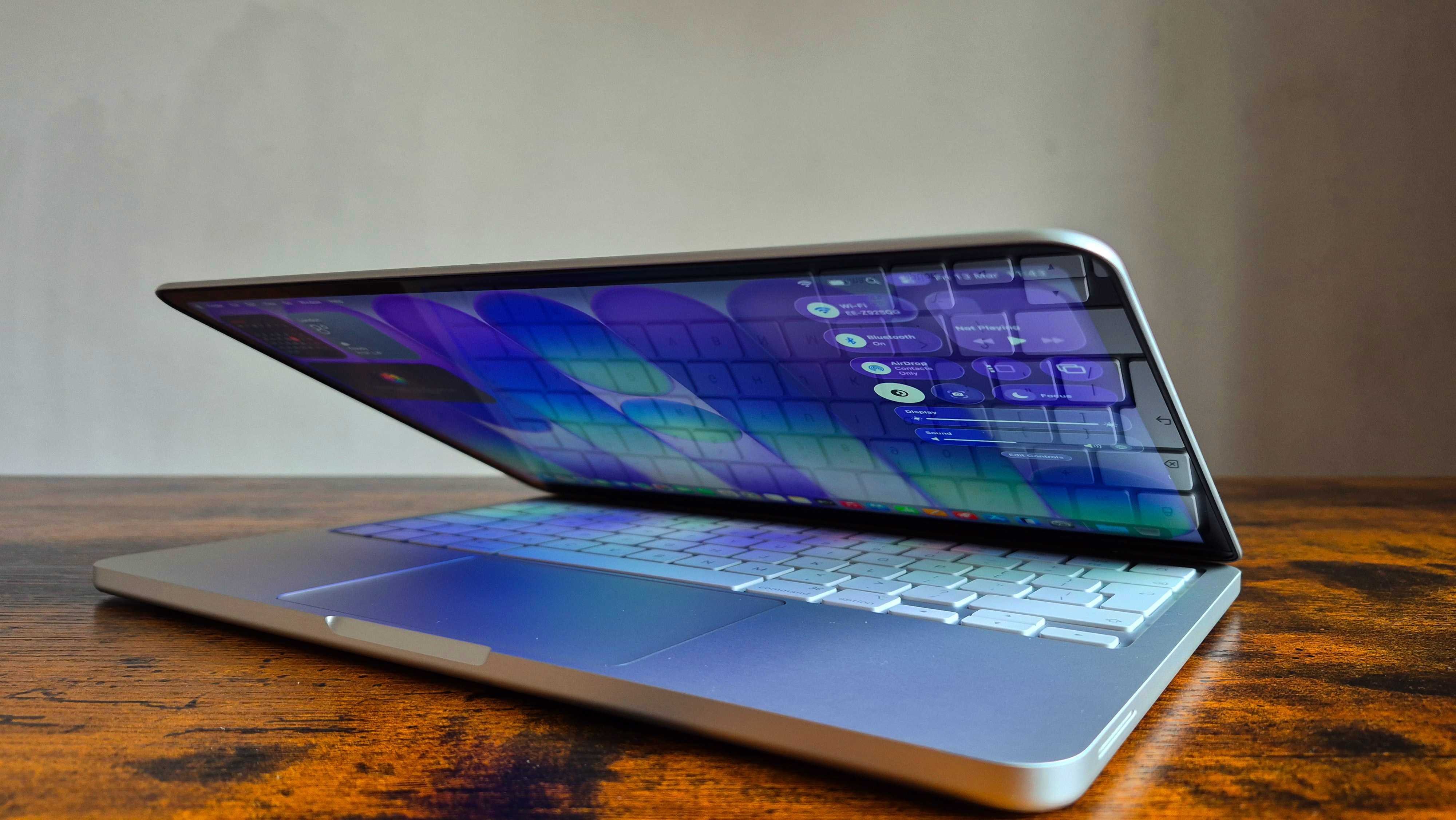 The MacBook Neo is the most disruptive product Apple has released since the iPhone – but it's probably Chromebooks that will lose out
Reviews Surprisingly good across the board, and affordable – the MacBook Neo is a mid-level marvel
-
 Has Apple stolen the budget laptop market?
ITPro Podcast The MacBook Neo is the tech giant's first budget laptop, and it's causing quite a fuss in the industry
-
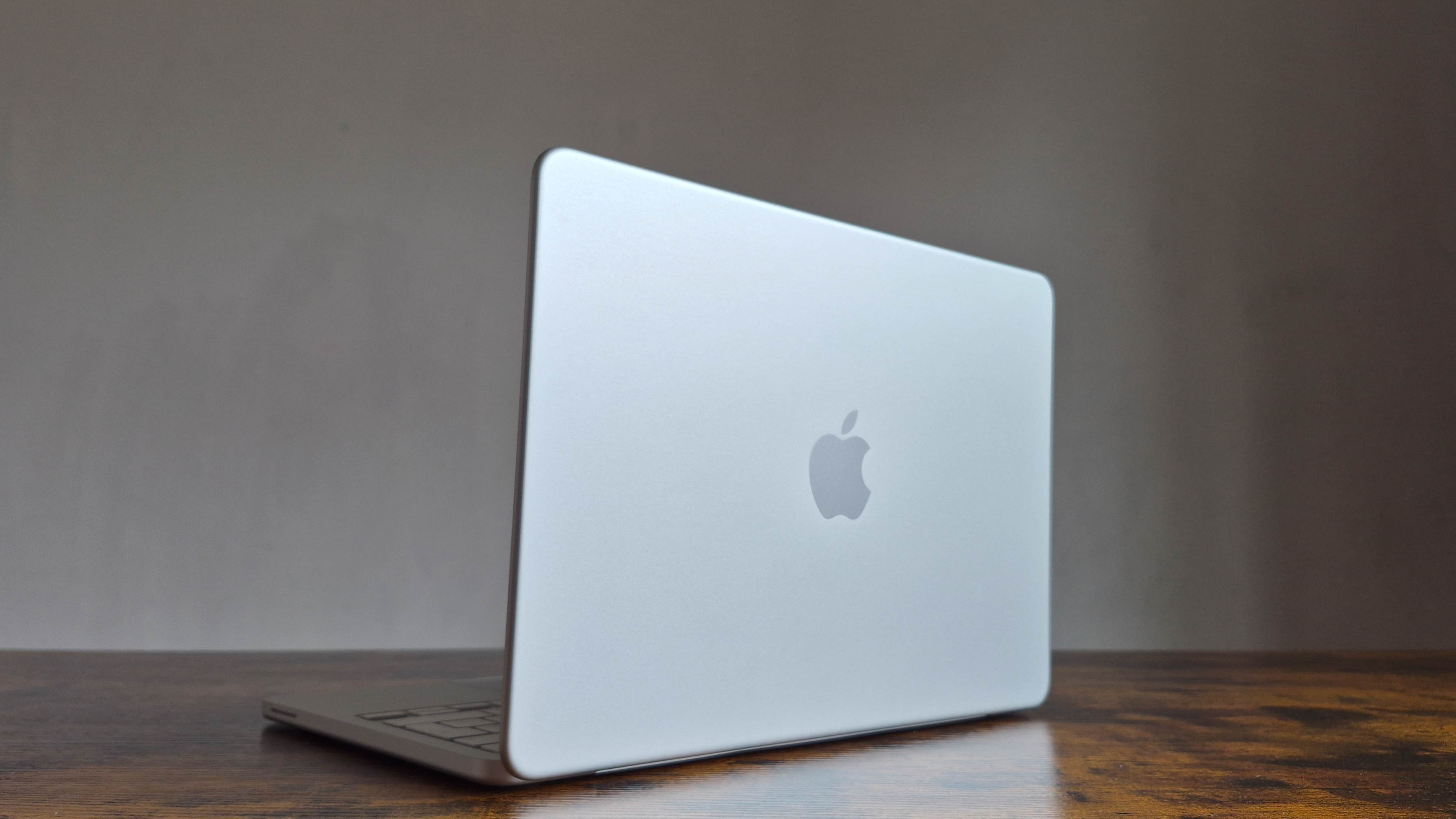 The MacBook Neo is another Apple master stroke, and it couldn’t have come at a better time
Opinion Apple looks set to hit another home run with the MacBook Neo, which can capitalize on hardware price rises


