Apple’s MacBook Neo announcement sent shockwaves across the hardware industry last week, and the arrival of a budget device from the tech giant couldn’t have come at a better time.
The launch of a $599 (£599 in the UK) laptop is a bold move by Apple, enabling it to tap into demographics previously excluded by the high prices associated with its flagship models.
The 14in MacBook Pro M5 comes in at $1,699 (£1,699 in the UK), while the MacBook Air M5 will set you back $1,099 (£1,099 in the UK). That’s a significant price drop.
At the very least, the MacBook Neo will force the rest of the industry to react. This isn’t so much a race to the bottom on cost, but a sharpening of the focus on giving consumers better bang for their buck.
Some, it seems, are already at panic stations over the announcement. Speaking during a recent earnings call, Asus’ chief financial officer Nick Wu said competitors will have to react swiftly or be left in the dust.
“Given Apple’s historically very premium pricing, launching such an affordable product is certainly a shock to the entire market,” he said, per reports from Seeking Alpha.
The fact this has come as such a shock to the market speaks volumes about its recent trajectory. The incessant focus on AI-powered devices, which come with a premium price tag, is an issue I’ve raised in previous columns for ITPro.
We’ve seen recurring Windows-related gripes, with users pushing back against efforts to transform the operating system into an “agentic OS”. This sentiment stacks against Apple’s competitors – even if the tech giant is itself embedding generative AI throughout its products via Apple Intelligence.
A viable option for small businesses
While Apple is primarily targeting the education sector and students with the MacBook Neo, there is certainly room here for small businesses to capitalize. IT leaders already sweating over costly device refresh programs and price hikes thanks to the RAM crisis will undoubtedly be considering the Neo.
The device will certainly offer better bang for buck. An array of comparison tests between the Neo and Windows-based alternatives already show there are glaring pros and cons.
Testing by ITPro found the Neo performs well in single-core performance, scoring a 3,287 in GeekBench 6. This puts it ahead of devices such as the Lenovo IdeaPad Slim 3x and the Dell 14 Plus – two devices ITPro has had hands-on experience with.
It’s once you get into multi-core tasks that issues arise, particularly when running multiple programs or specialist tasks such as video rendering. Tom’s Guide noted the Neo’s performance drops off here compared to its aforementioned competitors.
Apple has framed the Neo as a viable option as a work device. Promotional materials specifically touted its potential in enterprise domains.
“From building spreadsheets to managing payroll, MacBook Neo gets the job done,” the company claims. In many ways, the Neo does punch above its weight, but knowing the limitations and making them clear is an area Apple has been candid on in recent years - take its AI approach, for example.
The company has adopted a standoff-ish approach to AI over the last three years, hedging its bets on building a more reliable integrated AI assistant and making that strategy clear. It’s a tactic that’s drawn an equal mixture of praise and criticism from industry stakeholders, but one that’s ultimately paid dividends and underlines its long-running cautious approach.
Apple isn’t rash. It’s cold, calculated, and knows exactly when to strike.
The MacBook Neo is another Apple masterclass
Apple has a long-running reputation for shaking up markets; it did it with the iPod, the iPhone, the iPad, and the MacBook Air some 20 years ago.
This latest move may be the most consequential product launch in the company’s history – and given recent memory cost concerns, the impact cannot be understated.
Skyrocketing memory costs are severely affecting the budget device market, according to recent analysis from Omdia. These surging costs mean vendors are now focusing their attention on premium range devices to absorb the financial blow.
Omdia’s research specifically noted that PC prices below $500 will be hit the hardest, with global shipments plummeting by 28% across 2026. Simply put, you can kiss goodbye to your low-budget devices over the next year.
A device roughly within this price range, from a brand such as Apple, will be a tantalizing prospect for businesses and consumers alike.
Performance may be a sticking point for some. But the benchmark situation is complicated and doesn’t paint a full picture.
On the surface, the MacBook Neo doesn’t quite shape up in terms of performance compared to its flagship products, or other Windows devices out there. The device will boast just 8GB of memory, with two distinct ranges offering 256GB and 512GB of storage.
Powering the Neo is the A18 Pro chip, an ARM-based system currently used in the iPhone 16 Pro and iPhone Pro Max.
Apple noted in its announcement that this is 50% faster at web browsing, while boasting three-times the performance handling workloads compared to PCs with Intel Core Ultra 5 chips.
An area in which the Neo has a distinct advantage, however, is the ecosystem it inhabits. Apple designs the interlinking parts under the hood, from the CPU and hard drive to the operating system.
Apple RAM also uses a unified memory architecture, creating a shared memory pool which allows the CPU and GPU to share bandwidth. What this means is that it better utilizes memory compared to a Windows device.
Add that to the broader Apple ecosystem and compatibility just makes sense given the demographic the company is targeting: students. Having your messages, photo albums, and various files accessible just adds to the ease of use factor.


 The future of AI depends on stronger partner programs — here’s what vendors need to know
 Wasabi establishes dedicated AI business led by Pinaki Mukherjee

 The memory shortage is hitting PC sales hard, but vendor revenues are still growing at the expense of consumers
 AI demand driving up Apple prices, says Cook
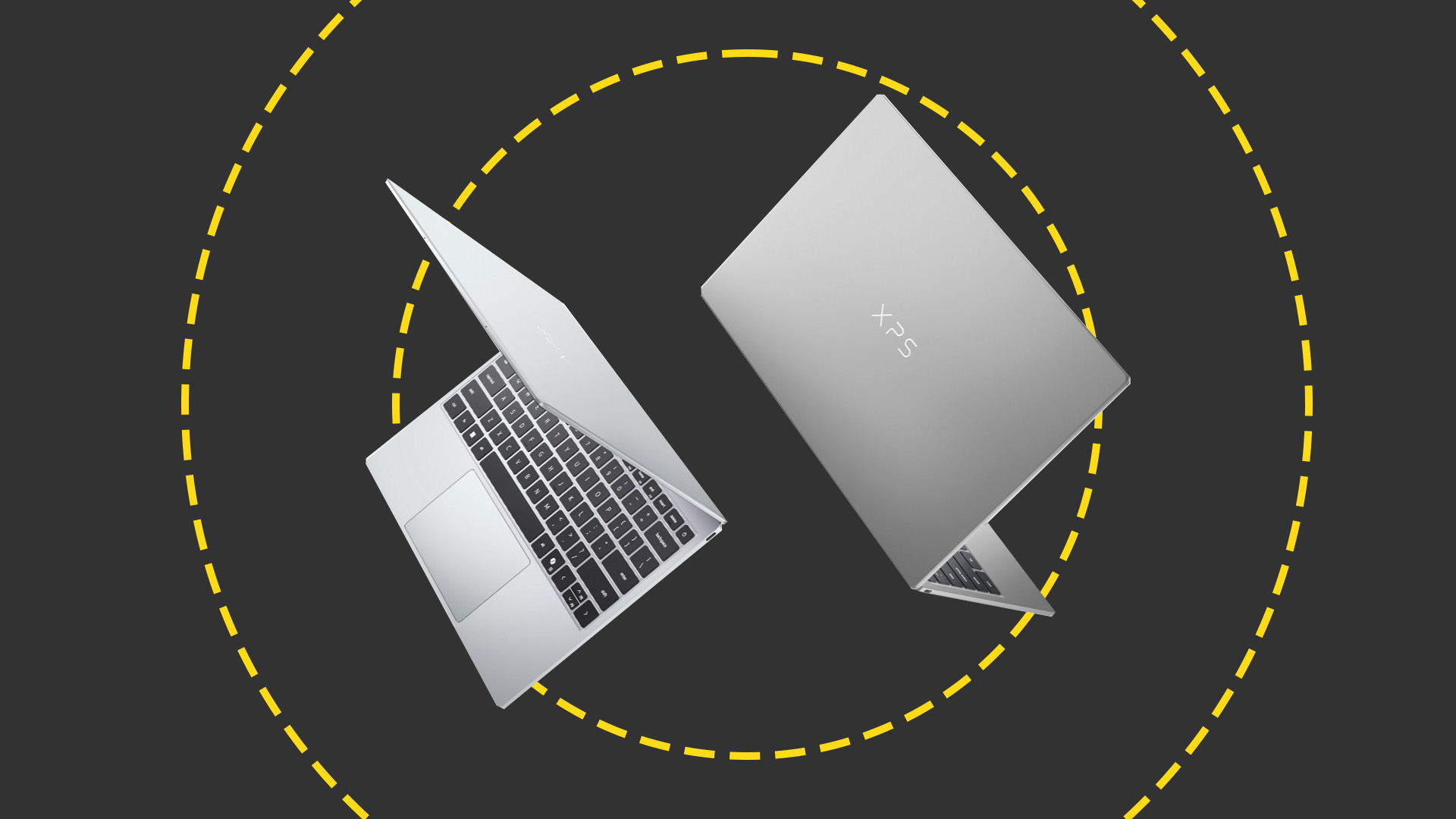 Dell sets the stage for a MacBook Neo showdown with budget XPS 13 laptop range
 Apple turns 50: here are ITPro's favorite devices
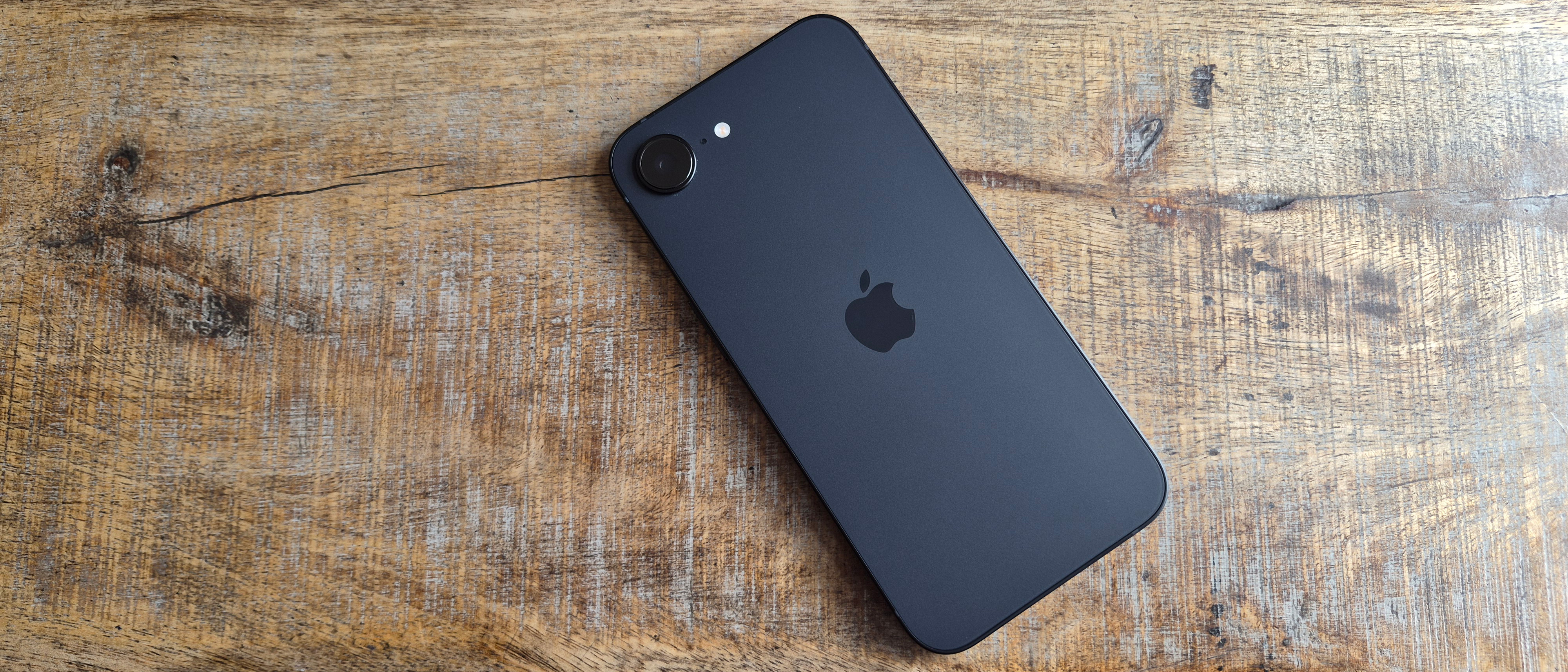 I love it when Apple makes a great budget device, and the iPhone 17e is an affordable powerhouse – the battery life is amazing
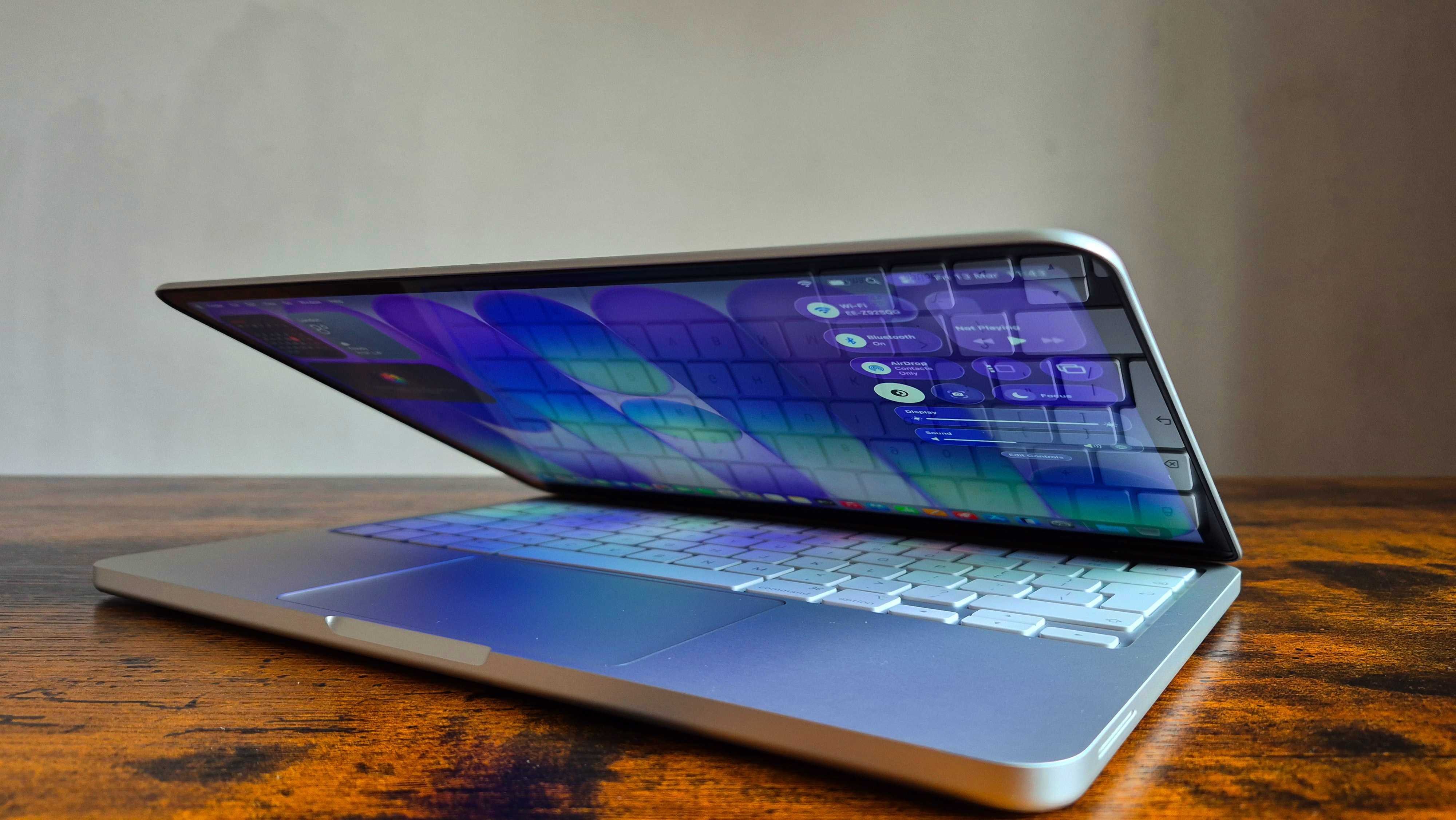 The MacBook Neo is the most disruptive product Apple has released since the iPhone – but it's probably Chromebooks that will lose out
 Has Apple stolen the budget laptop market?


