AMD Advancing AI 2026: Helios on the rise, with launch of new Instinct GPUs
The rack-scale architecture announced in 2025 is finally rolling off the production line


-
 Does Your AI Need a Psychologist? (part 3)
In-depth An AI agent may seem reliable until a decision causes harm. Who sets its limits and is responsible when things go wrong?
-
 Workday is moving like a start-up to compete in the AI era
In-depth The firm says it is focused on delivering value for customers


-
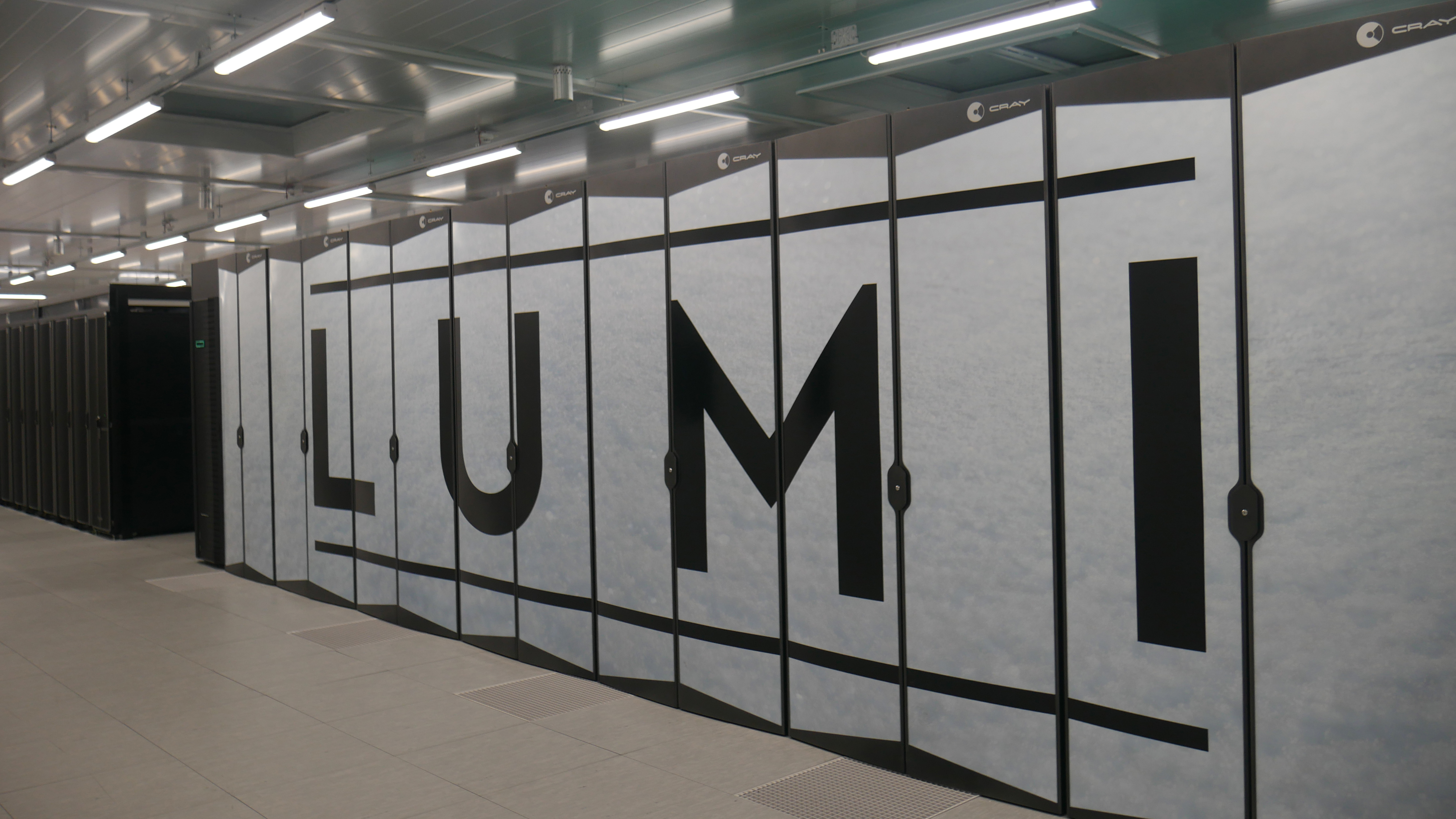 EuroHPC selects Bull to lead €387m Lumi-AI supercomputer contract
News The announcement marks the first major deal for Bull since it was renationalized by the French government
-
 AMD talks up sustainability efforts with rack-scale energy efficiency gains
News The company says it can help deliver more AI performance without increasing power, improve cost of ownership, and help customers scale faster
-
 AMD partners with Cerebras for ultra-low latency AI infrastructure
News The solution brings together AMD Helios and Cerebras Wafer-Scale Engine into a single solution
-
AMD adds Microsoft to its growing roster of Helios customers as firm launches three new VMs for Azure users
News The collaboration marks the latest big tech customer for AMD’s “game changer” Helios system
-
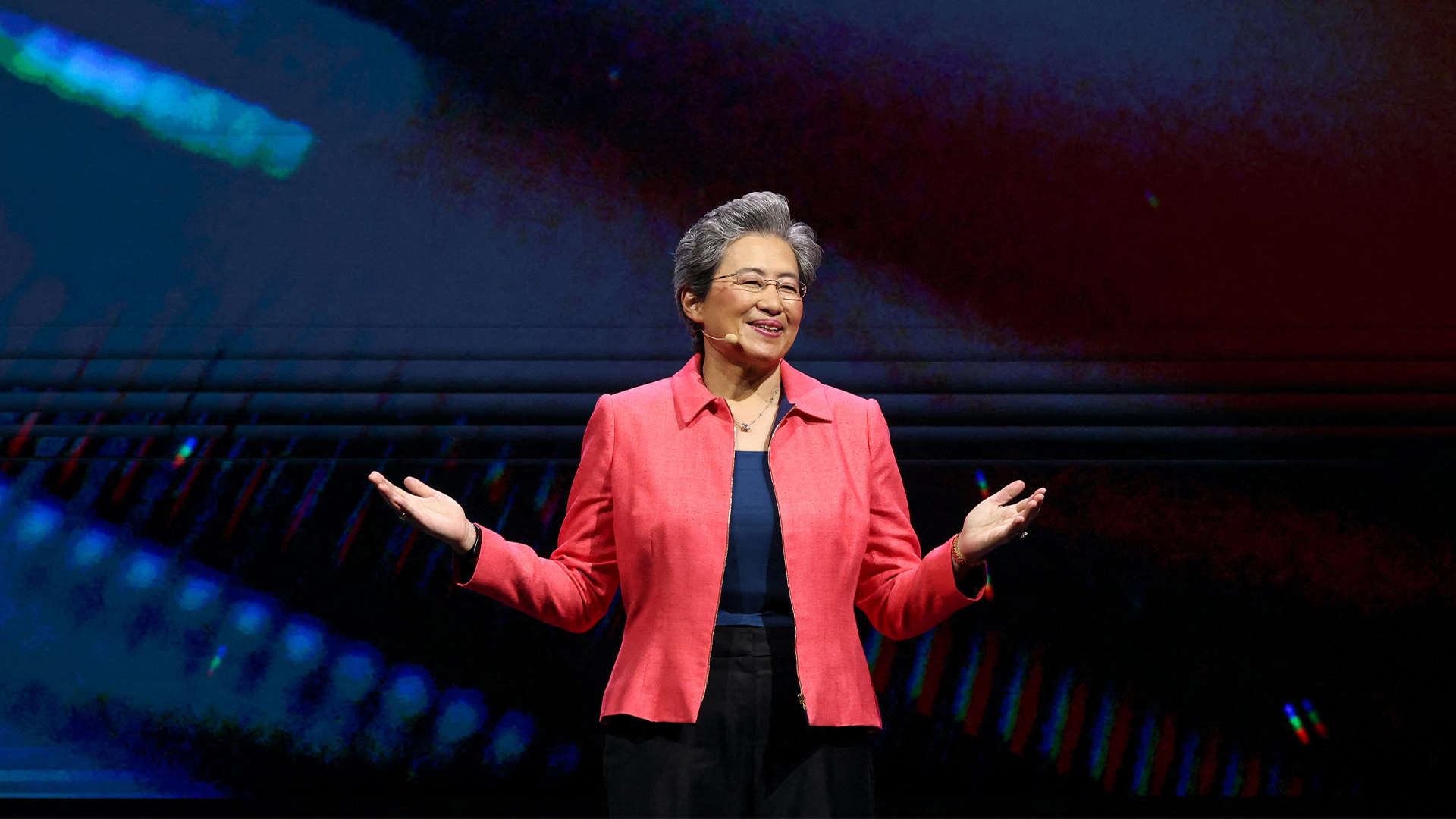 What to expect at AMD Advancing AI 2026
Here are three things I expect to hear about at AMD’s annual get together – and one I don’t
-
 Looking to build an AI data center? Here’s five reasons to go with AMD EPYC CPUs
High core density, inference, and scalability are just some of the benefits of an AMD EPYC CPU
-
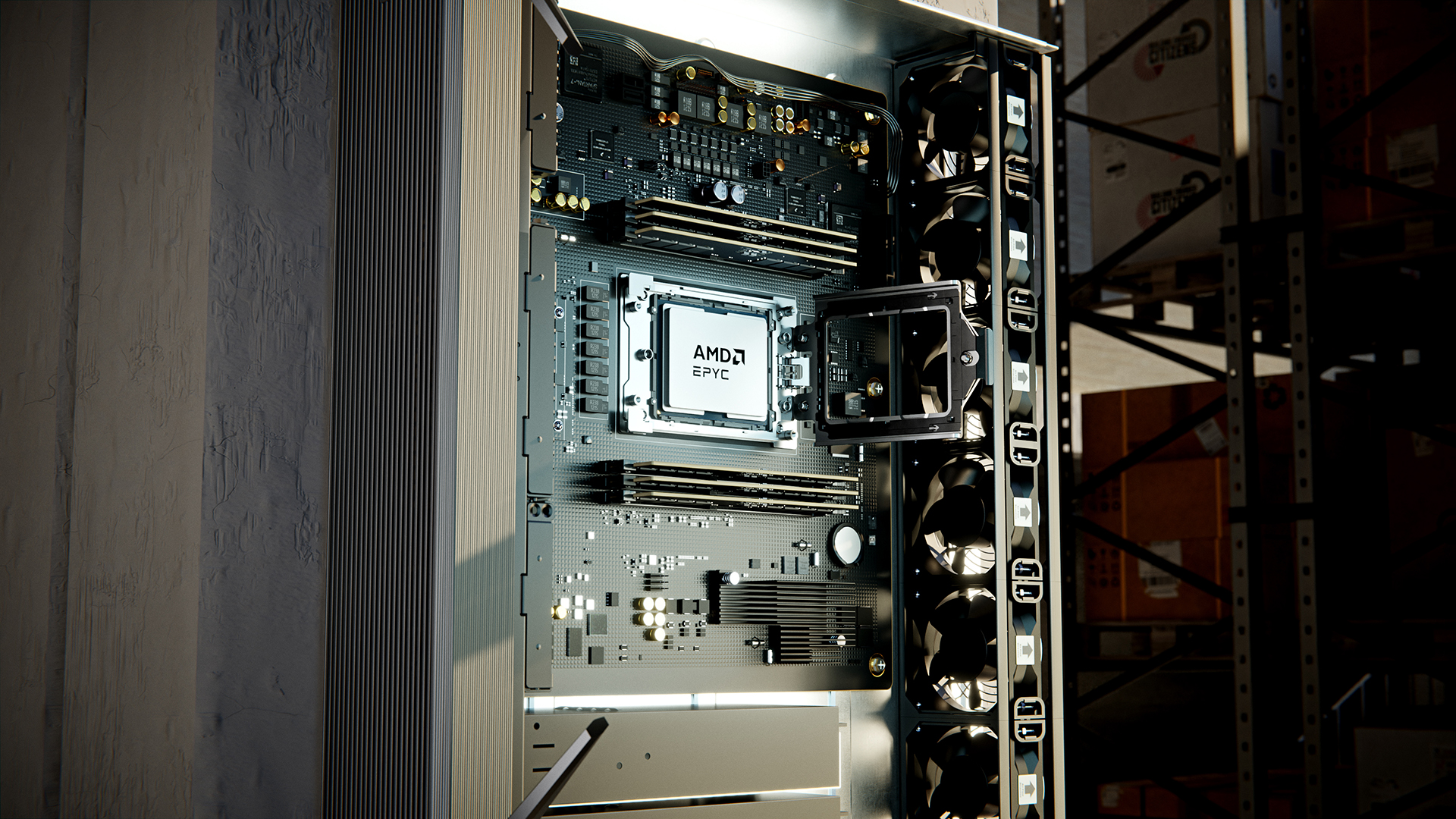 How AMD EPYC CPUs and AMD Instinct GPUs are powering the world's HPC facilities
Sponsored AMD offers powerful chipsets for AI and traditional HPC workloads, including native FP64 support
-
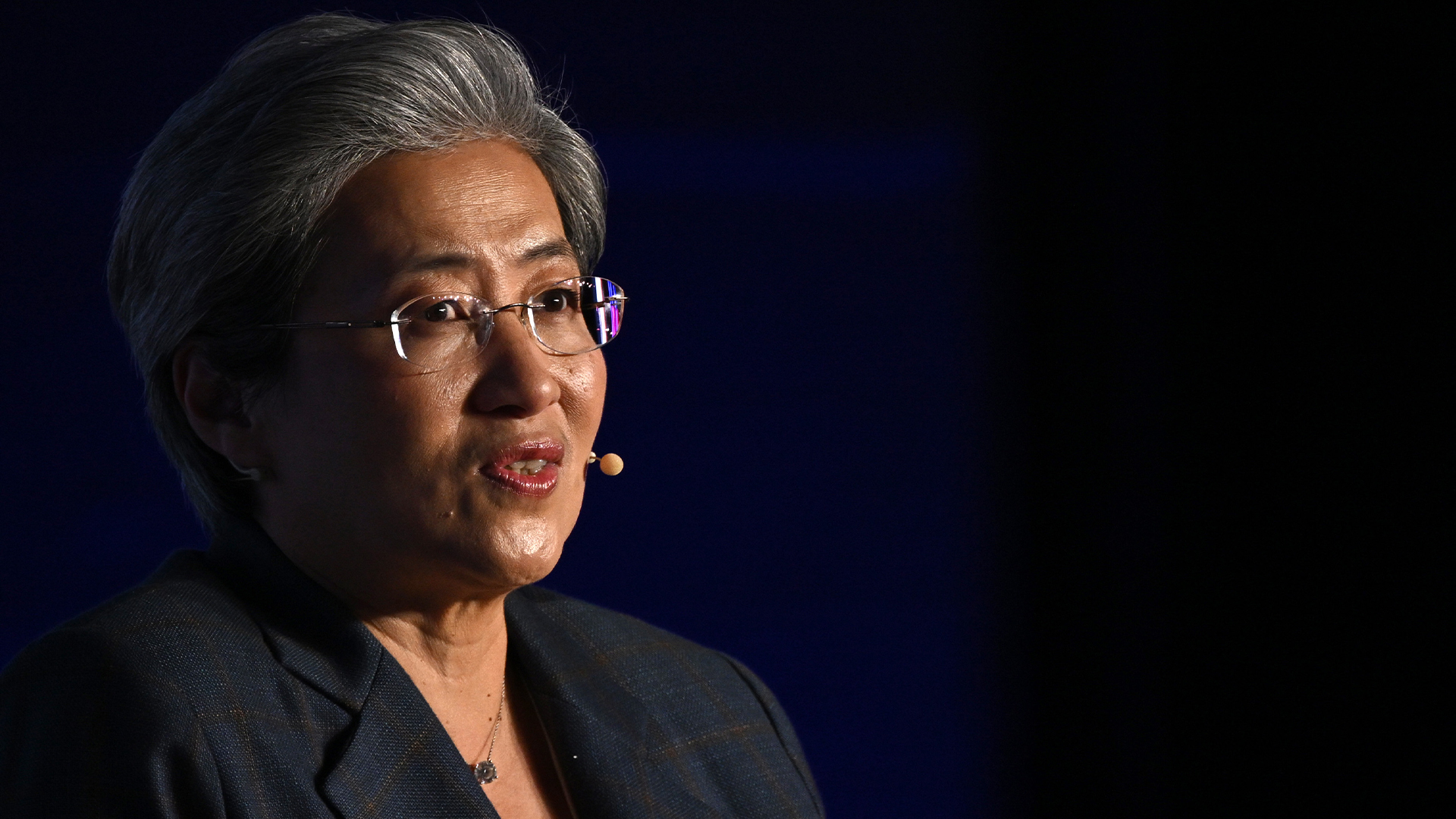 ‘The United Kingdom has the talent, research excellence and ambition to help lead the next era of AI’: AMD chief exec Lisa Su touts UK’s AI potential as firm eyes £2bn investment
News The deal will see a new AI supercomputer built in Cambridge and partnerships with Imperial College London and Oriole Networks


