The majority of businesses couldn’t survive three days of downtime
IT outages have a disastrous impact on enterprise productivity and finances


-
 Anthropic teams up with Akamai in $11.6bn cloud partnership
News The expanded deal will help Anthropic meet “accelerating CPU workload demands”
-
 OpenAI and Anthropic could withhold new AI models from UK's AI Security Institute
News The move marks the second time Anthropic declined to submit a model for testing in the space of a month


-
 The AWS outage explained: What happened, who was impacted, and what services are back online?
News Overheating at a single data center has been identified as the cause of the AWS outage, which impacted customers such as Coinbase
-
 ‘Skipping a beat on resilience investment isn’t an option any more’ as IT outage costs soar
News Organizations are ramping up resilience efforts at IT outage costs continue mounting
-
 Cloudflare outage explained: What happened, who was impacted, and how was it resolved?
News The seven-hour outage affected customers using Cloudflare's Bring Your Own IP (BYOIP) services
-
 AWS' new DNS 'business continuity' feature targets 60 minute recovery time after October cloud outage
News The US-EAST-1 Region is getting extra tools and features to help customers during an outage
-
 The Cloudflare outage explained: What happened, who was impacted, and what was the root cause?
News Web users globally were met with error messages and site crashes yesterday after an outage at Cloudflare brought much of the web to a standstill – here's what happened.
-
 A massive Cloudflare outage has taken down X and OpenAI – and even bricked outage tracker site Downdetector
News Web users trying to access X, OpenAI, and creative design platforms have been affected by the Cloudflare outage
-
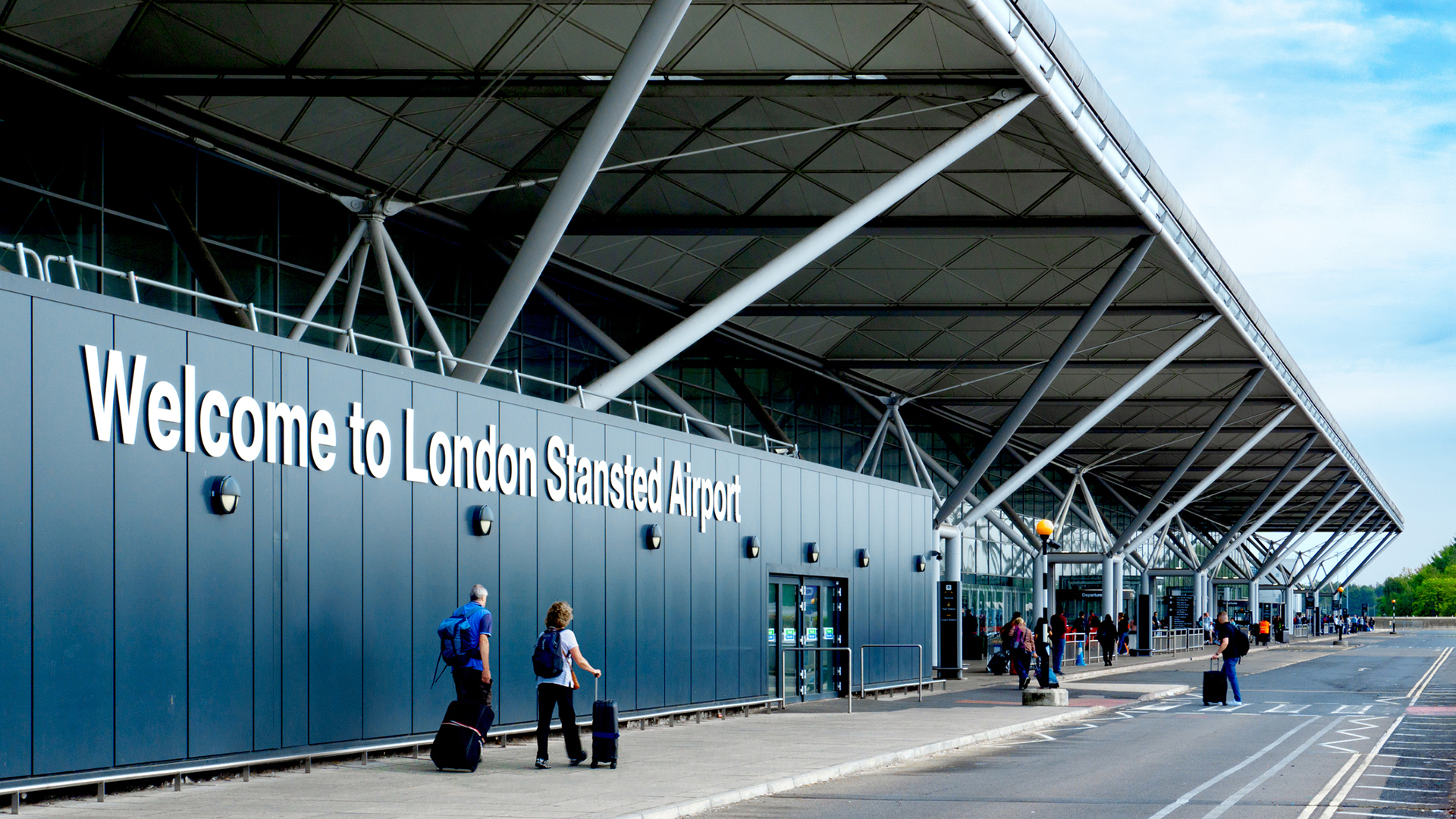 Stansted IT glitch causes thousands to miss their flights
News Eight hour outage causes chaos at UK’s fourth busiest airport
-
 British Airways check-in tech failure causes chaos at airports
News Tech problems cause check-in systems to go down for the airline...


