Gas-powered data centers could more than double Microsoft's emissions
A new report calls for Microsoft to rethink its data centre powering strategy in favour of renewables


-
 5 cyber resilience questions every IT leader should ask during Cybersecurity Awareness Month
Sponsored Cybersecurity Awareness Month is a good opportunity for IT leaders to ask a simple question: could my business actually recover from a serious cyberattack?
-
 Data centre and cloud shares slide amid AI gloom
Major providers saw massive selloffs following Barclays downgrade as Gartner warns on AI infrastructure spending


-
 Google announces €13 billion infrastructure build-out in burgeoning European data center hub
News Google is capitalizing on the Finnish data center market, with investments in digital and energy infrastructure
-
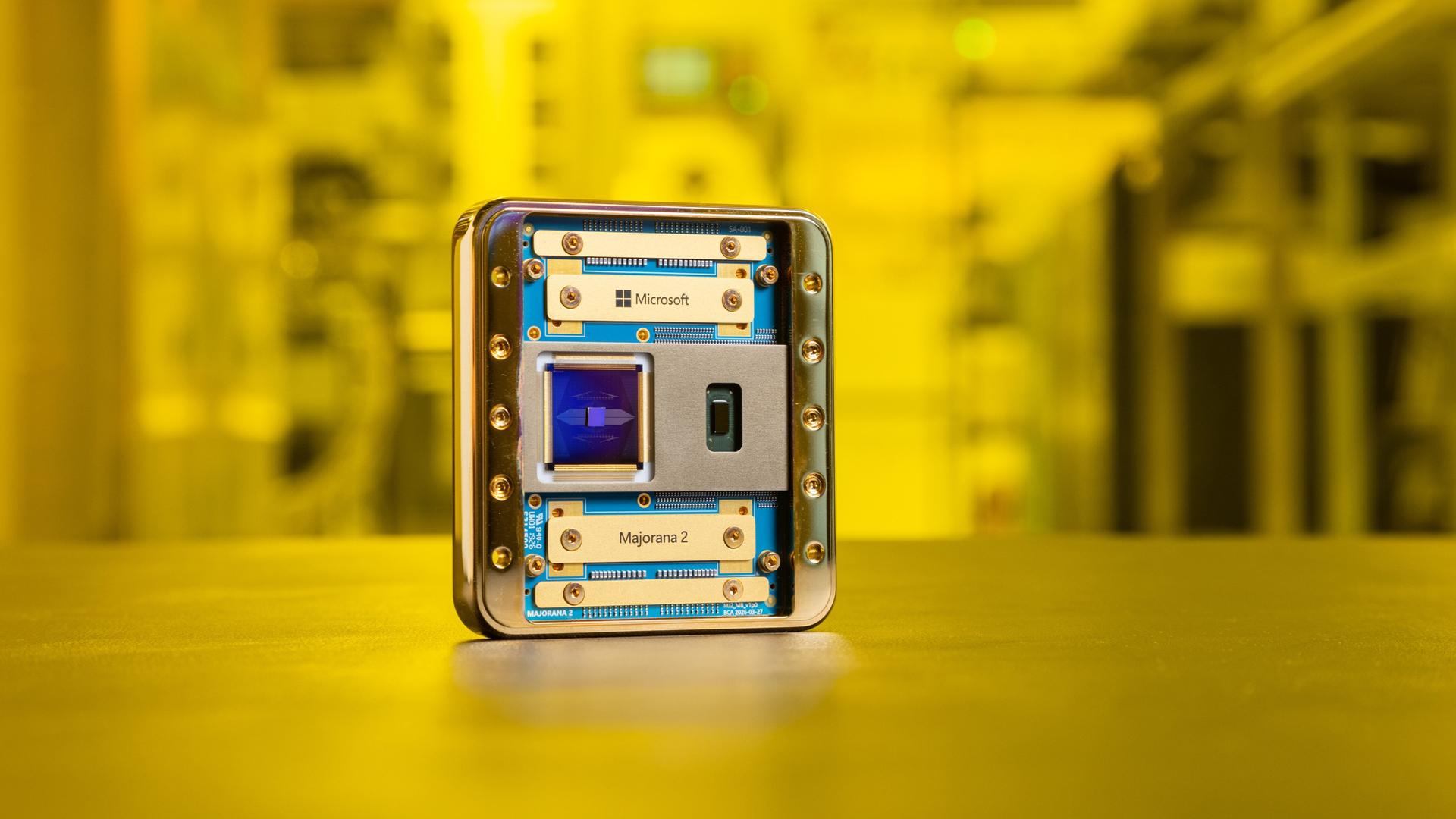 Microsoft says its Majorana 2 chip was built using AI – and it helped deliver huge performance gains
News The Majorana 2 quantum chip was developed with the help of the Microsoft Discovery platform
-
 Has another OpenAI Stargate project hit the rocks?
News Microsoft will be renting capacity in Norwegian data center originally intended for OpenAI
-
 Microsoft says 100% of its global electricity consumption is now matched by renewable energy
News The tech giant is among the largest corporate purchasers of renewable energy
-
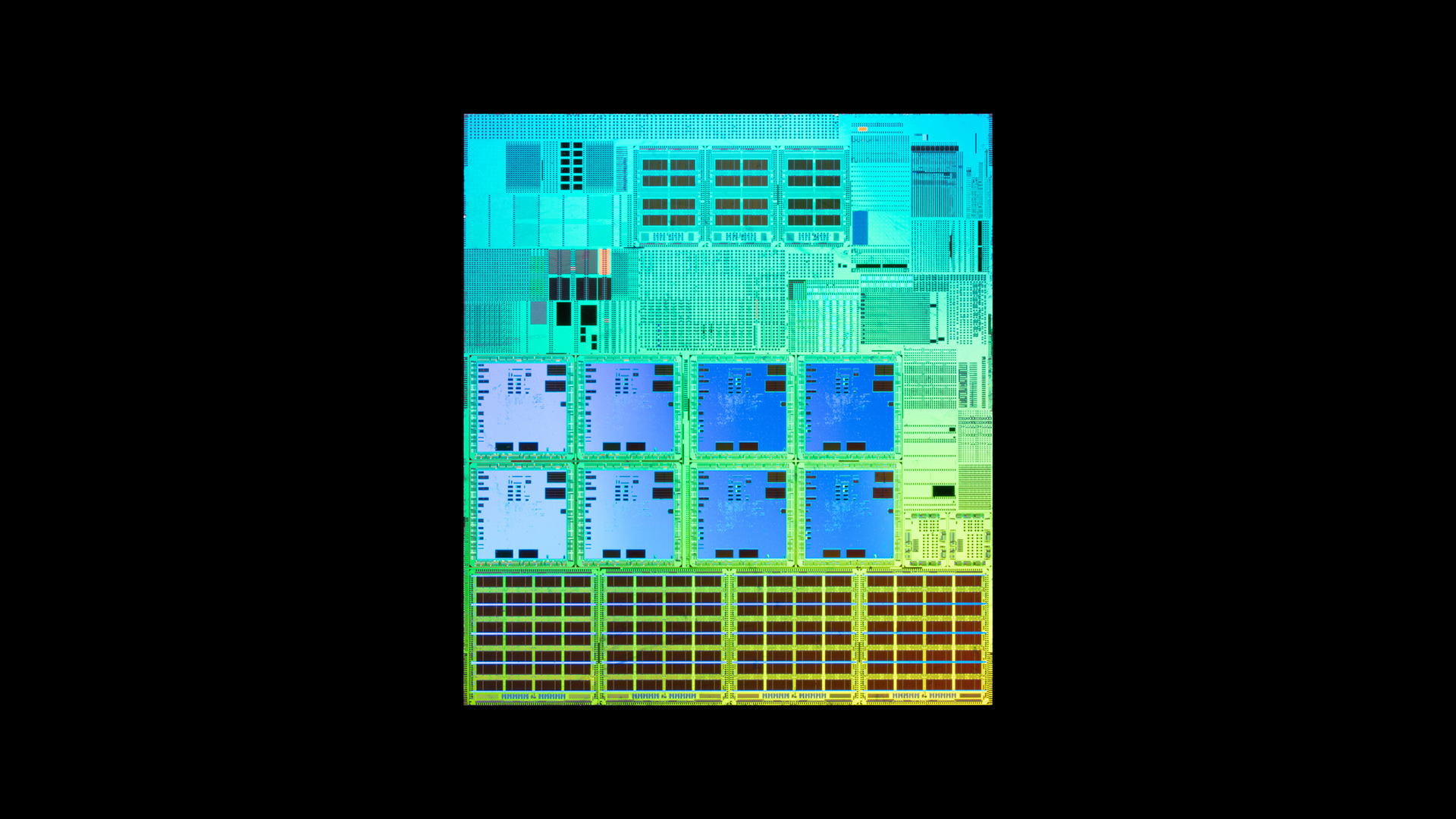 What is Microsoft Maia?
Explainer Microsoft's in-house chip is planned to a core aspect of Microsoft Copilot and future Azure AI offerings
-
The Microsoft Azure outage explained: What happened, who was impacted, and what can we learn from it?
News Microsoft has confirmed its Azure services are back online after a major outage impacted services across multiple regions – here's everything you need to know.
-
Google just confirmed the location of its first small modular reactor
News Developed by Kairos, Google's first small modular reactor will be located in Tennessee, with operations beginning in 2030.
-
 Microsoft's plan to use human waste to offset AI emissions stinks of greenwashing
Opinion Hyperscalers are getting increasingly gimmicky when it comes to sustainability


