Google and Microsoft's staggering electricity consumption was greater than 100 countries in 2023 — and in the age of generative AI, experts say it’s only going to increase
Spiraling data center energy demands on the back of generative AI are largely to blame for the figures


Skyrocketing electricity consumption at Google and Microsoft puts the duo ahead of over 100 countries, according to an X post by journalist Michael Thomas which features a startling infographic.
The post states that Microsoft and Google both consumed 24 TWh of electricity each throughout 2023, putting them at a greater level of electricity consumption than a whole host of nations.
The two hyperscalers out-consumed Jordan, Iceland, Ghana, Tunisia, and the Dominican Republic, while only coming in narrowly behind the likes of Slovakia and Libya, the latter of which has a population of nearly 7 million.
Power consumption has been on a drastic uptick for some time now, with some of the most recent reports indicating that nearly a tenth (9%) of the US’ total energy consumption could be made up by data centers by 2030.
Other research from the European Commission has estimated that global electricity consumption will have increased 60% by 2030, posing challenges in light of growing demand.
“Data centers require an incredible amount of energy to operate,” Rosanne Kincaid-Smith, COO at Northern Data Group, told ITPro.
Kincaid-Smith noted that while they currently account for around 1.5% of global energy consumption, citing research from the World Economic Forum (WEF), this is a figure that will “only increase.”
Ireland, which sits 7 TWh ahead of Microsoft and Google in terms of 2023 energy consumption, is a shocking example of growing electricity use.
Data centers in Ireland constituted 21% of the country's electricity consumption in 2023 according to the country's Central Statistics Office. Data centers in the country consumed more than urban dwellings, analysis shows
Big tech energy consumption in the spotlight
As two of the biggest names in tech, Microsoft and Google are at the center of this conversation. The two firms’ electricity consumption is a key factor in this global increase, which now puts them among the international rankings of countries.
“These companies face mounting pressure to reduce their carbon footprint and meet neutrality targets,” Julien Deconinck, Managing Director at investment bank DAI Magister, told ITPro.
“Achieving these targets won’t be easy because increasing demand for AI applications could negate any gains in energy efficiency made by using AI, potentially leading to a net increase in energy use,” he added.
Earlier this year, Microsoft revealed its carbon emissions surged by 29% according to a report commissioned by the firm. This, unsurprisingly, came off the back of concerted data center construction efforts due to the insatiable enterprise demand for generative AI services.
RELATED WHITEPAPER

The situation for Google is much the same, with the firm's greenhouse gas emissions having increased by nearly half in five years in a major blow to the company’s sustainability efforts.
“Companies should be building partnerships with peers who understand the potential benefits of renewable energy and sustainability solutions. They also need to consider the impact of the hardware and infrastructure over its entire lifecycle,” Kincaid-Smith said.
Kincaid-Smith also put some of the responsibility on to the customers of big tech firms such as Google and Microsoft, stating that “business customers must make sure their providers are easing, rather than exacerbating, the sustainability challenge.”
Deconinck also added that certain technological advancements are already helping to drive down energy consumption, such as “cooling systems and energy-efficient hardware” to help drive efficiency in data centers.

-
 UK SMBs are the most vulnerable to cyber attacks
News Organizations cite delayed growth and expansion plans, financial damage and missed business opportunities
-
 Workers are so keen on using AI at work that they're paying for it themselves
News Many workers are secretive about their AI use, concerned that managers will think AI can do their jobs, according to Deloitte


-
 Google announces €13 billion infrastructure build-out in burgeoning European data center hub
News Google is capitalizing on the Finnish data center market, with investments in digital and energy infrastructure
-
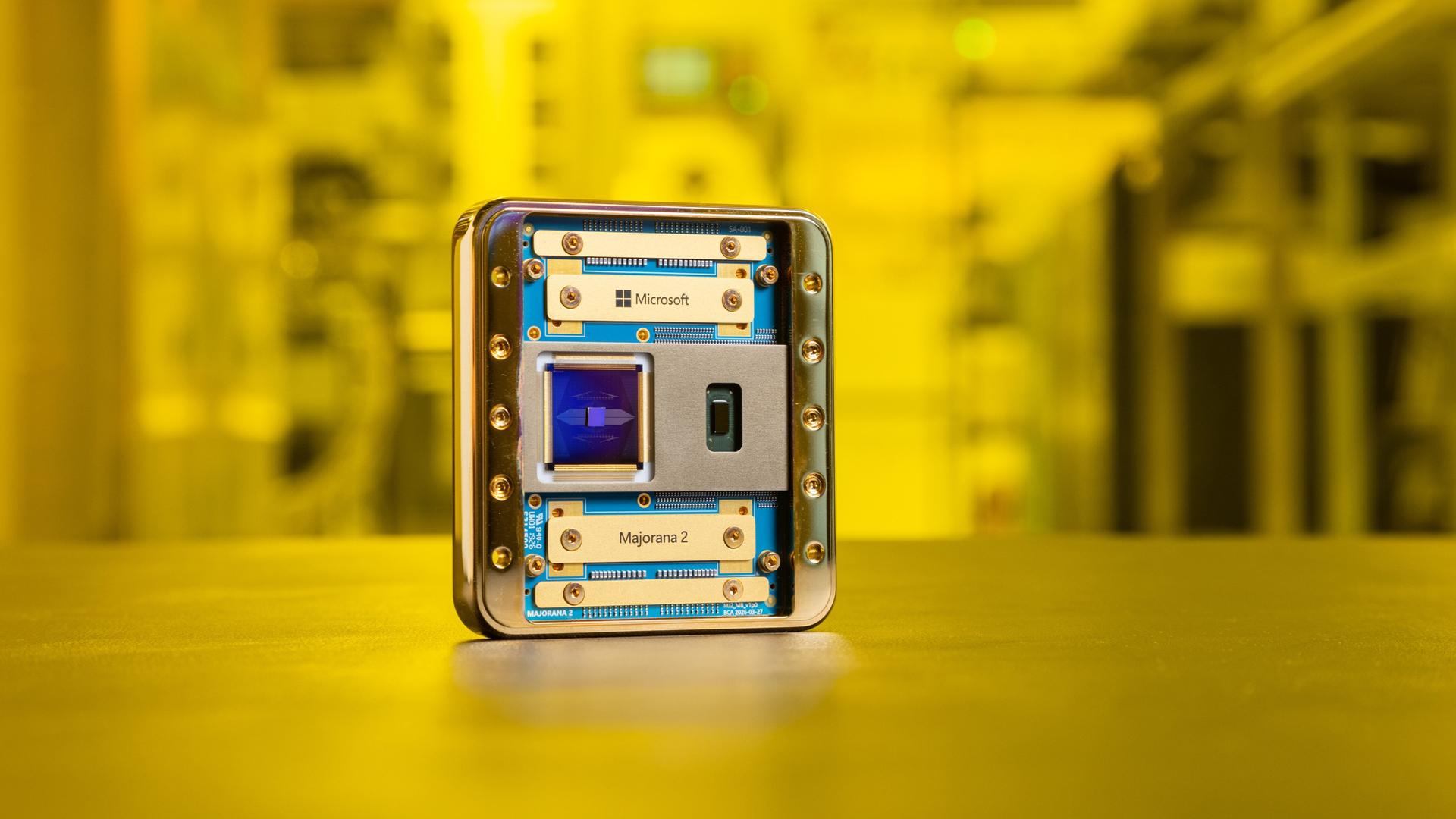 Microsoft says its Majorana 2 chip was built using AI – and it helped deliver huge performance gains
News The Majorana 2 quantum chip was developed with the help of the Microsoft Discovery platform
-
 Google once again ramps up funding for Anthropic
News Google is once again backing Anthropic with a significant funding boost
-
 Google Cloud announces eighth-generation TPUs, boasting AI training and inference leaps
News Alongside chip improvements, Google Cloud has overhauled its data center fabric and file systems to support enterprise-scale AI deployment
-
 Has another OpenAI Stargate project hit the rocks?
News Microsoft will be renting capacity in Norwegian data center originally intended for OpenAI
-
 Gas-powered data centers could more than double Microsoft's emissions
News A new report calls for Microsoft to rethink its data centre powering strategy in favour of renewables
-
 Anthropic pens multi-gigawatt TPU deal with Google and Broadcom as Claude demand picks up
News The frontier model maker is looking to greatly expand its compute infrastructure to meet surging customer demand
-
 Google talks up new Texas data center that uses minimal water – except for 'critical campus operations' like kitchens
News New data center plans look to capitalize on air cooling and clean energy generation


