IBM wins biggest slice of $2bn US gov investment in domestic quantum firms
The Department of Commerce says it wants to strengthen the country's presence in this critical technology sector


-
 High performance, low latency, greater efficiency: how the Dell PowerStore 9500 array enhances any modern data center
Whitepaper Scale smarter and eliminate storage bottlenecks without expanding your footprint
-
 16-year-old boy arrested for masterminding KillSec ransomware group
News Police have taken control of KillSec's leak site, securing at least 110 terabytes of data against further unauthorized access


-
 ‘This new system will help you do more quantum computing, faster’: IBM says its Nighthawk r2 quantum processor marks a step change in compute capability
News Nighthawk r2 is the firm's fastest-ever system and is now available for researchers
-
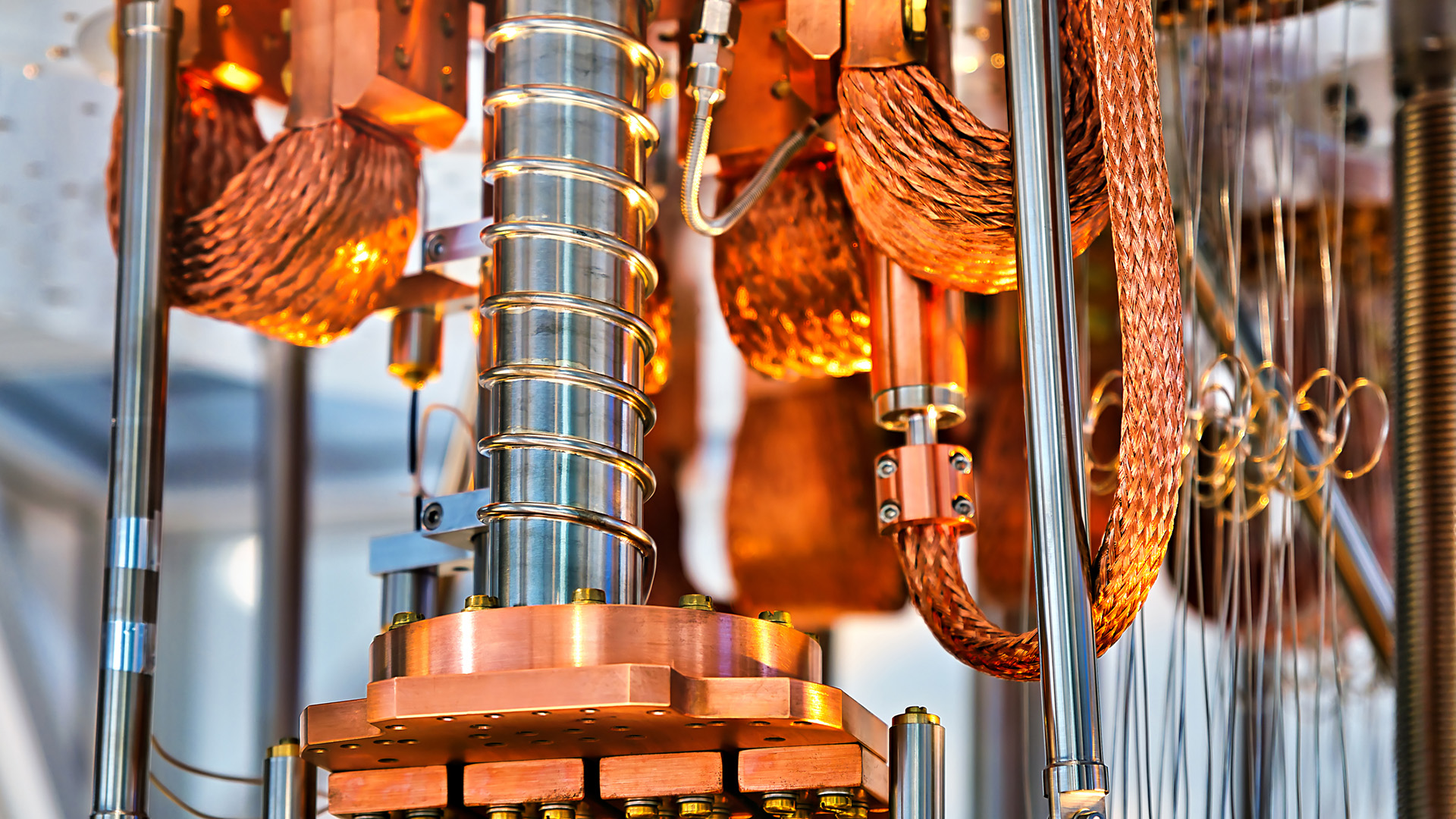 NIST eyes quantum gains with new research and manufacturing center
News The move comes in response to a recent executive order aimed at accelerating the commercialization of quantum technologies
-
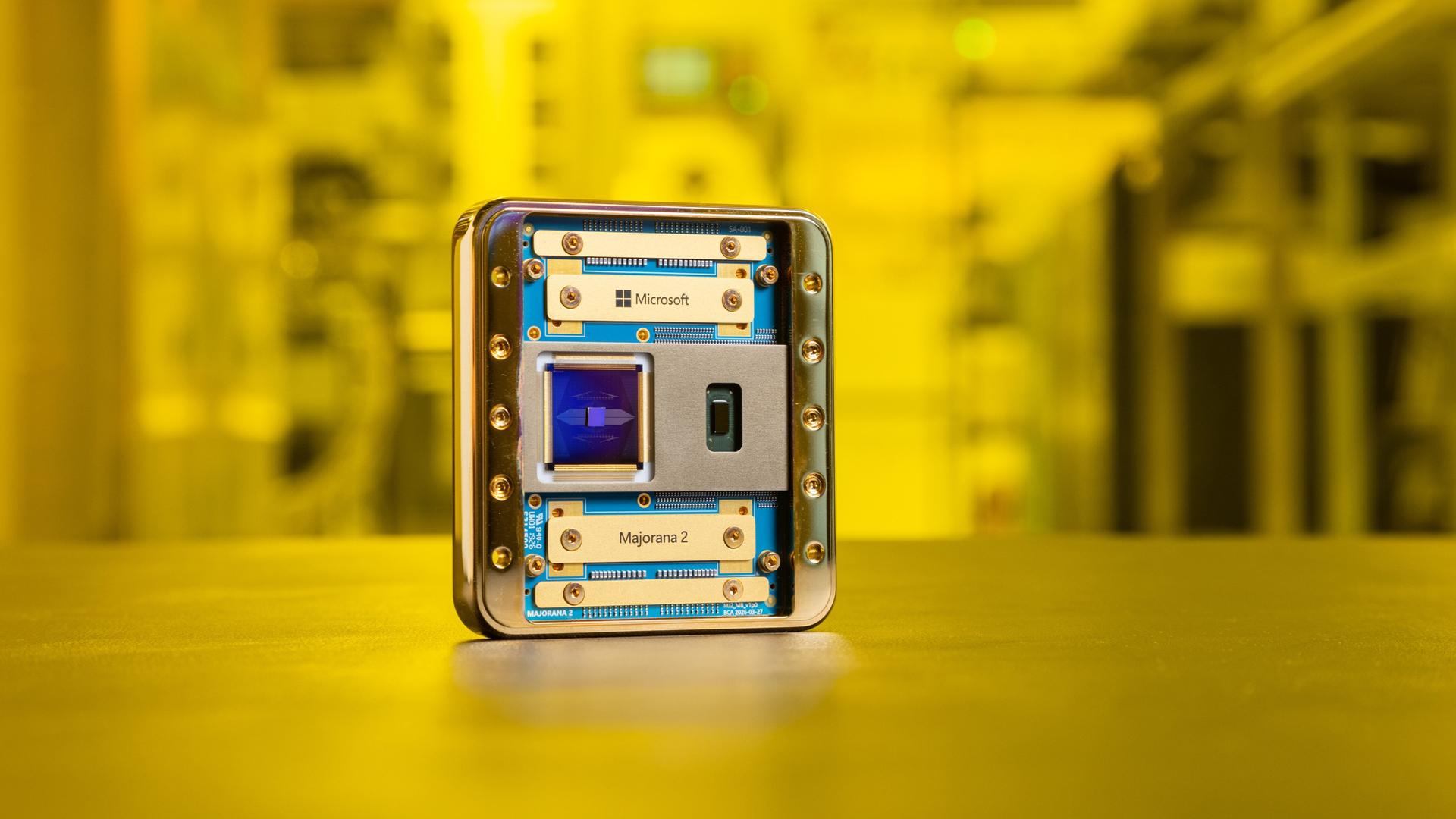 Microsoft says its Majorana 2 chip was built using AI – and it helped deliver huge performance gains
News The Majorana 2 quantum chip was developed with the help of the Microsoft Discovery platform
-
 UK businesses brace for quantum disruption – and it could come sooner than expected
News A third of businesses have made quantum a strategic priority, an EY survey has revealed
-
 C-suites want concrete quantum use-cases, not hype
News New research shows the hype around quantum computing isn’t translating to investment
-
 The UK government wants to be a global leader in quantum computing, but is the country prepared?
News £2 billion in funding aims is to make the UK a world leader in quantum computing by 2030, but some industry stakeholders think it's a bridge too far
-
 Quantum is 'the future of AWS system security', Amazon claims
News With third major quantum investment, AWS sets stage for next decade of network infrastructure
-
 BT and Toshiba to launch quantum-secured network across London
News The two companies say this is the first commercially available network of its kind


