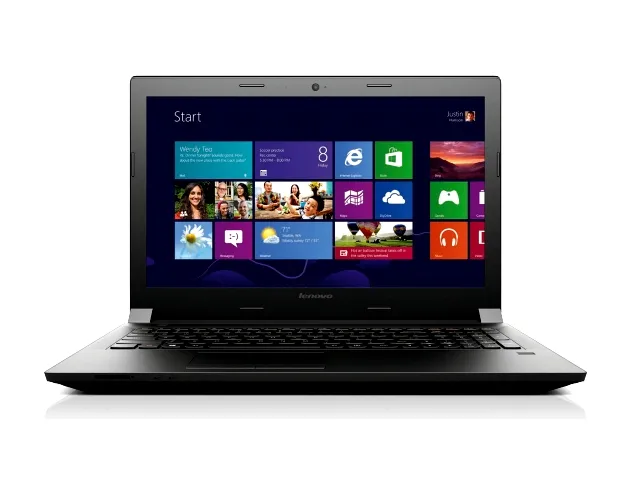
Lenovo vows to cut bloatware after Superfish
The company says it will drop adware after its Superfish debacle left customer data at risk


-
 Neocloud market set for brutal consolidation, Elon Musk warns
News As SpaceX secures $40 billion in funding, Musk reckons that AI compute companies need outside revenue to survive
-
 AI is crucial to infrastructure and IT operations but only if it's done right, Gartner report says
News Report suggests there are five AI trends worth adopting if firms want to improve operational efficiency with AI and optimize costs


-
 New Adload malware bypasses Apple’s XProtect to infect macOS devices
News Old malware retooled to evade Apple defenses
-
 Common malware slipped past the macOS notarization process twice
News Apple immediately revoked the notarization, but the adware slipped through again
-
 Researchers blast Swedish developer WakeNet AB for ‘deceptively’ spreading adware
News Bad actors are using tools like 'embed movie' to coax victims into installing software that house adware
-
 Zacinlo malware threatens Windows 10 PCs' security
News Malware takes screenshots of users' desktops, and has been operating silently for six years
-
 Facebook warns of new Superfish threat
News The fake security certificate used by the Lenovo-installed adware can be re-used by hackers, says social network
-
 Yahoo serves up New Year malware to European customers
News Malicious adverts infect users’ computers.
-
 Malwarebytes flags fake Flash update
News Unusual and inappropriate ads injected into websites.
-
 File sharing infects 500,000 computers
News McAfee reveal details on what it calls the most significant malware outbreak since 2005, as peer-to-peer networks look under threat.