
-
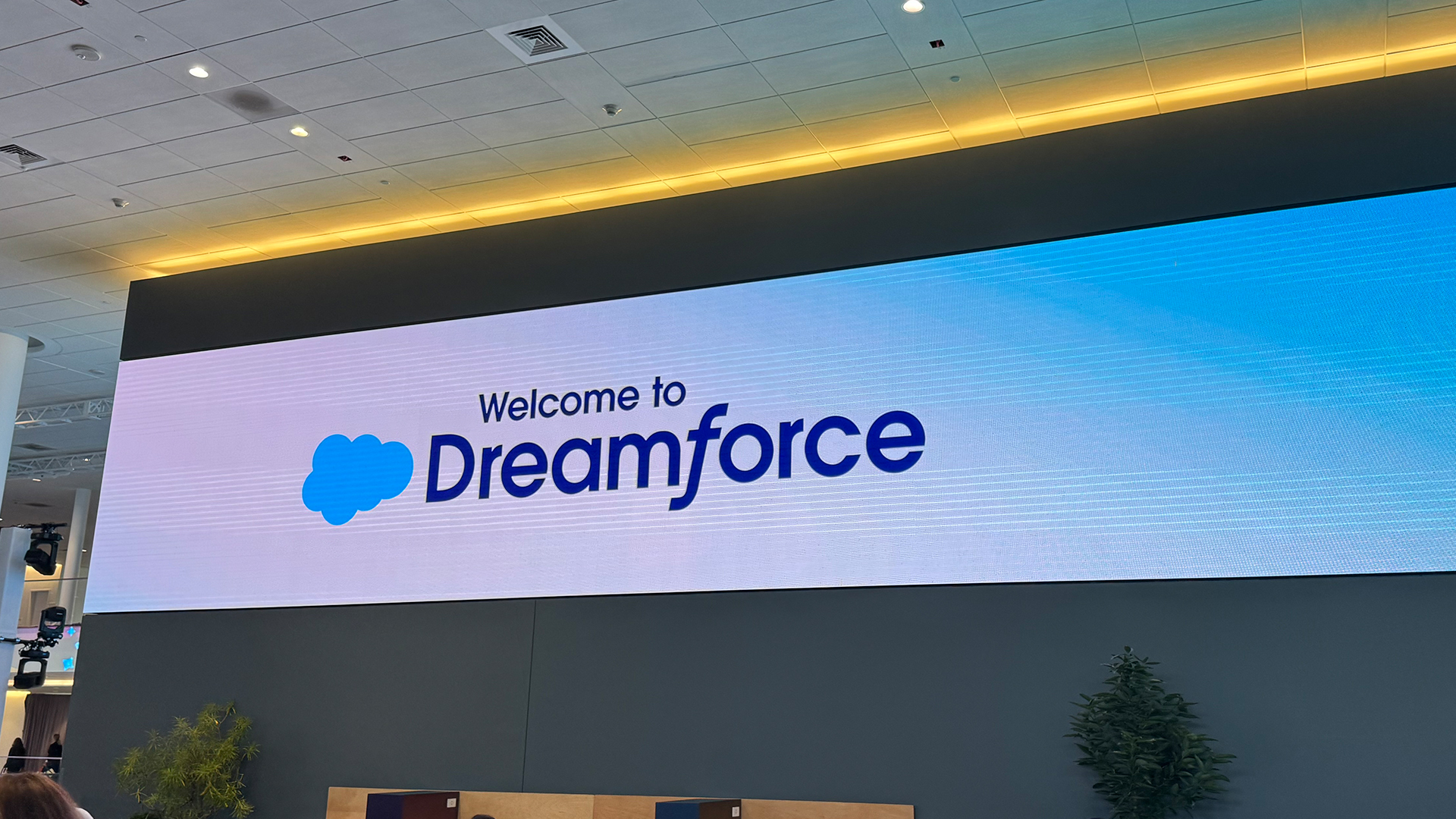 Dreamforce 2026 live: All the news, updates, and announcements from day one
Keep tabs on all the news and announcements in our live coverage from Dreamforce 2026
-
 Gartner: here's how AI will remake business in the next three years
News You've got three years to prep for these new attacks and challenges thanks to AI, says Gartner


-
 AI is “forcing a fundamental shift” in data privacy and governance
News Organizations are working to define and establish the governance structures they need to manage AI responsibly at scale – and budgets are going up
-
 26% of privacy professionals expect a “material privacy breach” in 2026 as budget cuts and staff shortages stretch teams to the limit
News Overworked, underfunded privacy teams are being left hung out to dry by executives
-
 Salt Typhoon attack on US congressional email system ‘exposes how vulnerable core communications systems remain to nation-state actors’
News The Salt Typhoon campaign marks the latest in a string of attacks on US government communications networks
-
EU lawmakers want to limit the use of ‘algorithmic management’ systems at work
News All workplace decisions should have human oversight and be transparent, fair, and safe, MEPs insist
-
 ‘All US forces must now assume their networks are compromised’ after Salt Typhoon breach
News The announcement marks the second major Salt Typhoon incident in the space of two years
-
 Data (Use and Access) Act comes into force
news Organizations will be required to have an effective data protection complaints procedure and fulfil new requirements for online services that children are likely to use
-
 UK businesses patchy at complying with data privacy rules
News Companies need clear and well-defined data privacy strategies
-
 Data privacy professionals are severely underfunded – and it’s only going to get worse
News European data privacy professionals say they're short of cash, short of skilled staff, and stressed


