Microsoft warns of ransomware attacks as Exchange hack escalates
Defender researchers are attempting to block a ransomware strain known as DearCry


Microsoft Exchange users are now being targeted by ransom-seeking hackers, according to the latest findings from Microsoft Defender researchers.
The popular email server had been hit by at least ten hacking groups, including Chinese state-backed cyber criminals, who had taken advantage of four zero-day vulnerabilities.
Security program manager Philip Misner reported on Thursday that Exchange users now also need to watch out for “human-operated ransomware attacks”, with the threat to customers escalating as a result.
The ransomware, also known as DearCry, is typical in its approach, preventing users from being able to use their PCs or access their data until a payment is sent to hackers, according to information outlined by Microsoft.
“We have detected and are now blocking a new family of ransomware being used after an initial compromise of unpatched on-premises Exchange Servers,” Microsoft’s Security Intelligence team informed its Twitter followers.
This follows reports that a proof-of-concept tool to hack Microsoft Exchange servers has been published on Microsoft-owned GitHub.
Vietnam-based independent security researcher Nguyen Jang is believed to have shared the first functional public proof-of-concept exploit for a group of vulnerabilities in Microsoft Exchange servers known as ProxyLogon, according to reports by The Record.
RELATED RESOURCE
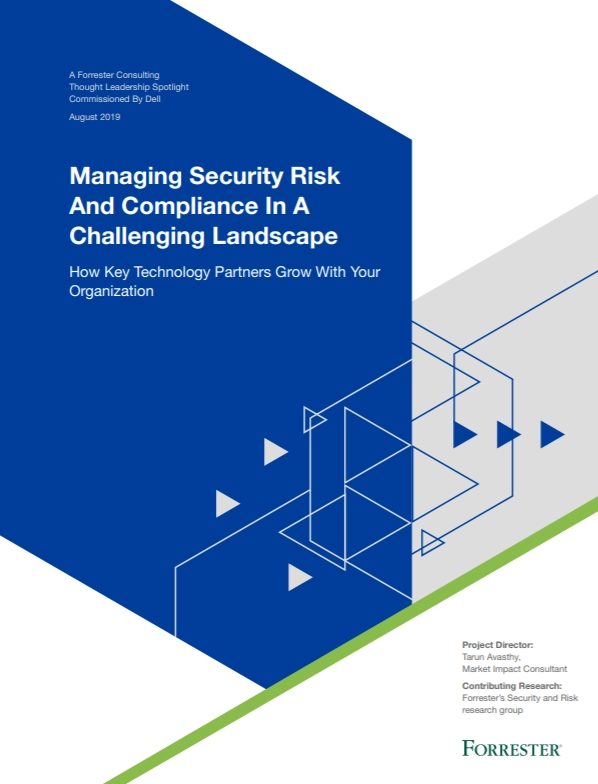
Managing security risk and compliance in a challenging landscape
How key technology partners grow with your organisation
A GitHub spokesperson told Vice that although “the publication and distribution of proof of concept exploit code has educational and research value to the security community”, its “goal is to balance that benefit with keeping the broader ecosystem safe”.
“In accordance with our Acceptable Use Policies, we disabled the gist following reports that it contains proof of concept code for a recently disclosed vulnerability that is being actively exploited,” they added.
Although the code was removed from GitHub mere hours after, its publishing could have still exacerbated an already dire situation for Exchange users.
Among the hundreds of thousands of victims are high-profile and political organisations such as the Norwegian government, which earlier this week reported that it had data stolen as a result. Reuters reported that up to 60,000 networks remain vulnerable in Germany alone.
Microsoft has advised on-premises Exchange Server customers to prioritise the security updates outlined here.

-
 A spate of cyber attacks has rocked Japan
News With over 100 cyber attacks impacting major sectors this year, Japan’s ruling party is calling for an emergency taskforce to strengthen AI defenses
-
 Top takeaways: The AI tokenomics challenge
Feature Why invisible metering, compounding agentic workflows, and production scale turn enterprise AI into an open tab – and how leaders can govern for measurable value


-
 ‘Cyber criminal groups suffer from the same security weaknesses they routinely exploit’: ShinyHunters claims it hacked Clop ransomware rival
News An attack on the cyber crime gang could prove dangerous for previous victims of data leaks, experts have warned
-
 Companies are still paying ransoms to cyber criminals despite official advice
News A Proofpoint survey found evolving ransomware techniques and the use of AI is exacerbating the situation for victims
-
 This one cyber crime group accounted for nearly a fifth of all ransomware attacks in June
News The Gentlemen, a ransomware a service operator, now accounts for 17% of published attacks
-
 Working with the enemy: Ransomware negotiator-turned cyber criminal jailed after working with hackers to extort clients
News Angelo Martino was supposed to be negotiating on behalf of victims, but was secretly working for ransomware operators
-
 Hackers are posing as Interpol to target small businesses – here's what you need to know
News Small businesses are warned to think twice before clicking on links
-
 ‘Every hour ransomware goes undetected drastically increases its potential blast radius’: Hackers are breaching networks and laying low for longer – and nearly half of firms don’t realize until data is stolen
News An ExtraHop survey found more intrusions are going undetected, leading to longer dwell times
-
 Ransomware cartels are fragmenting into volatile splinter groups, warns Met Police cyber chief
News Commoditized "cyber crime bazaars" and AI data mining are forcing law enforcement to rewrite its playbook
-
 New ransomware threat group, The Gentlemen, has become one of the most active ransomware operators, accounting for 10% of all attacks
News NTT researchers warn that the RaaS group is leveraging SystemBC malware to establish covert tunnelling, evade detection, and support rapid lateral movement across enterprise environments


