Small businesses can't get cyber strategies up and running – here's why
SMBs are turning to outside help to shore up security as internal strategies fall flat


-
 Freelance tech pros beware: North Korean cyber criminals are targeting gig workers in a new malware campaign
News Fake tests during the recruitment process infect applicants' devices to steal cryptocurrency
-
 Orca Security launches new global partner program
News The Partner POD Program and Partner Success Platform aim to help partners improve efficiency, build expertise, and grow their cloud security businesses


-
 SPECIAL EDITION: What would a Mythos-resilient SOC look like?
Sponsored podcast Claude Mythos was judged so effective at detecting vulnerabilities it could be dangerous
-
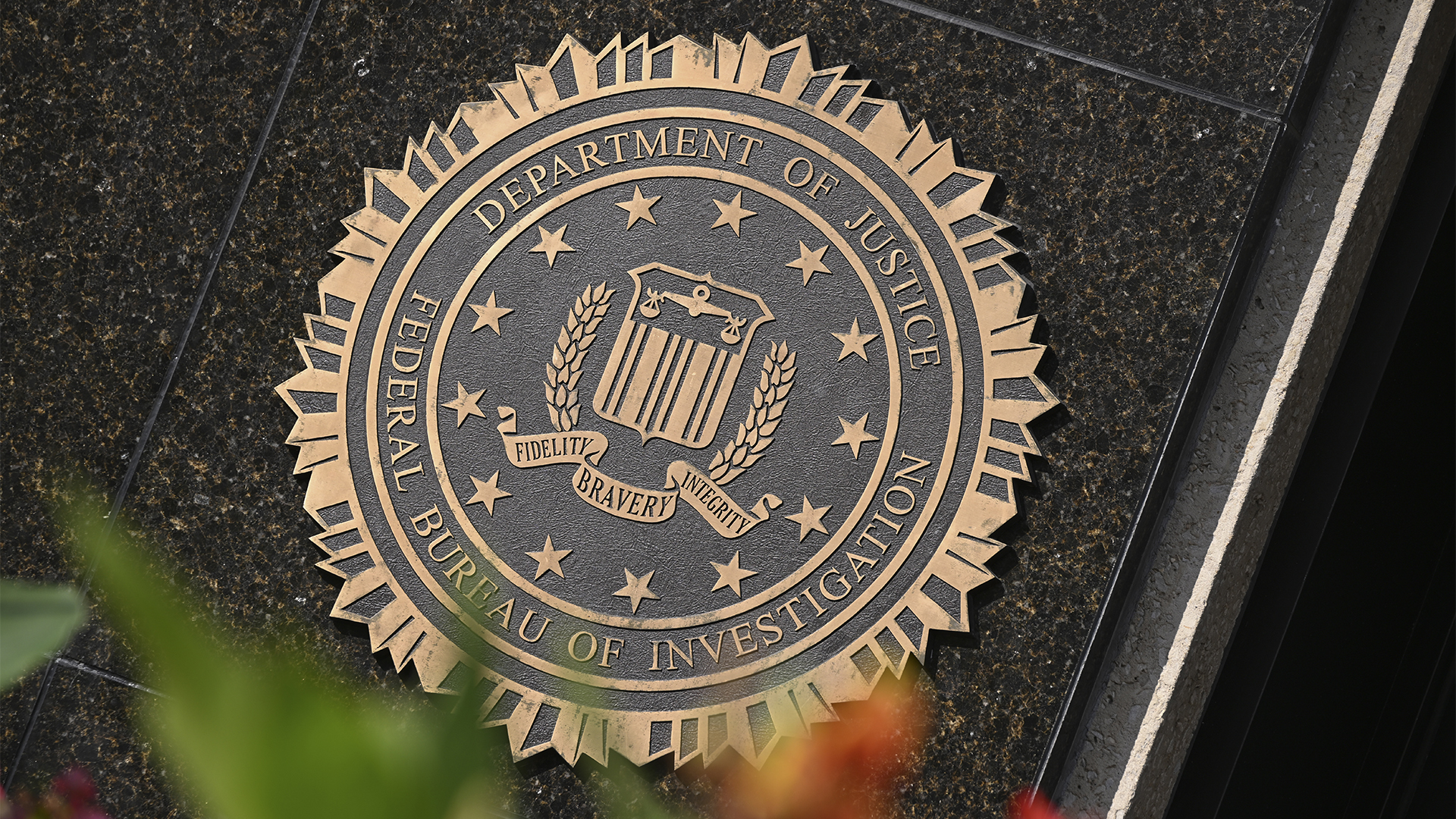 Hackers are turning up at law firms to gain physical access to machines
News The FBI is warning companies to look out for fake IT staff
-
 UK wants an AI-powered anti-hacking system
News GCHQ is building a national cyber defence capability powered by AI – though it may take five years
-
 GitHub internal repositories exfiltrated via malicious VS Code extension
News The breach has been claimed by the TeamPCP hacking group, which said it is offering the data for sale
-
 US small businesses are fighting off a wave of cyber attacks
News While threats are rising, many small business owners are trying to manage the risk themselves
-
 Using AI to code? Watch your security debt
news Black Duck research shows faster development may be causing risks for companies
-
 Organizations warned of "significant lag" in deepfake protection investment
news Defenses are failing to keep up with the rapidly growing attack vector, with most organizations being overconfident
-
 Teens arrested over nursery chain Kido hack
news The ransom attack caused widespread shock when the hackers published children's personal data


