Nvidia takes aim at Intel with first data centre CPU
The company claims the Arm-based processor will deliver 10x the performance of today's fastest server chips


Nvidia has unveiled Grace, an Arm-based data centre CPU designed for giant-scale artificial intelligence (AI) and high-performance computing (HPC) applications.
This new processor combines Arm CPU cores with a low-power memory subsystem to help it analyse enormous datasets requiring both ultra-fast compute performance and massive memory.
Nvidia Grace, named after US programming pioneer Grace Hopper, is a highly specialised processor that will target workloads such as training next-generation NLP models that have over 1 trillion parameters, according to the company.
Furthermore, Nvidia claims that a Grace CPU-based system will deliver 10x faster performance than the current Nvidia DGX-based systems that run on x86 CPUs. Nvidia expects this new processor to service a niche segment of computing.
“Leading-edge AI and data science are pushing today’s computer architecture beyond its limits – processing unthinkable amounts of data,” said Jensen Huang, founder and CEO of Nvidia.
“Using licensed Arm IP, Nvidia has designed Grace as a CPU specifically for giant-scale AI and HPC. Coupled with the GPU and DPU, Grace gives us the third foundational technology for computing, and the ability to re-architect the data centre to advance AI. Nvidia is now a three-chip company.”
The Swiss National Supercomputing Centre (CSCS) and the US Department of Energy’s Los Alamos National Laboratory have already announced plans to build Grace-powered supercomputers.
This move could spell trouble for other chipmakers who already have a strong presence in the data centre market like Intel, which is currently dominating with a 90% share, and AMD. By promising a 10x increase in processing performance, it may cause some customers to take note of Grace. This was reflected in the markets where Intel and AMD are both down several percentage points following Nvidia's announcement.
Nvidia also announced eight Nvidia Ampere architecture GPUs for next-generation laptops, desktops and servers.
The new Nvidia RTX A5000 and Nvidia RTX A4000 GPUs will help speed AI, graphics and real-time rendering up to 2x faster than previous generations in desktops. In laptops, the new Nvidia RTX A2000, Nvidia RTX A3000, RTX A4000 and RTX A5000 GPUs deliver accelerated performance without compromising mobility.

For data centres, the new Nvidia A10 GPU provides up to 2.5x the virtual workstation performance of the previous generation while the A16 GPU provides up to 2x user density with lower total cost of ownership and an enhanced virtual desktop infrastructure experience over the previous generation.
In February, it emerged that Nvidia had turned to some of its older graphic cards to meet the demand for GPUs during a global shortage of PC components and chipsets. Nvidia was going to re-release its old chips, such as the GTX 1050 Ti chip, which was meant to have been phased out two years ago, as well as the GeForce RTX 2060.

-
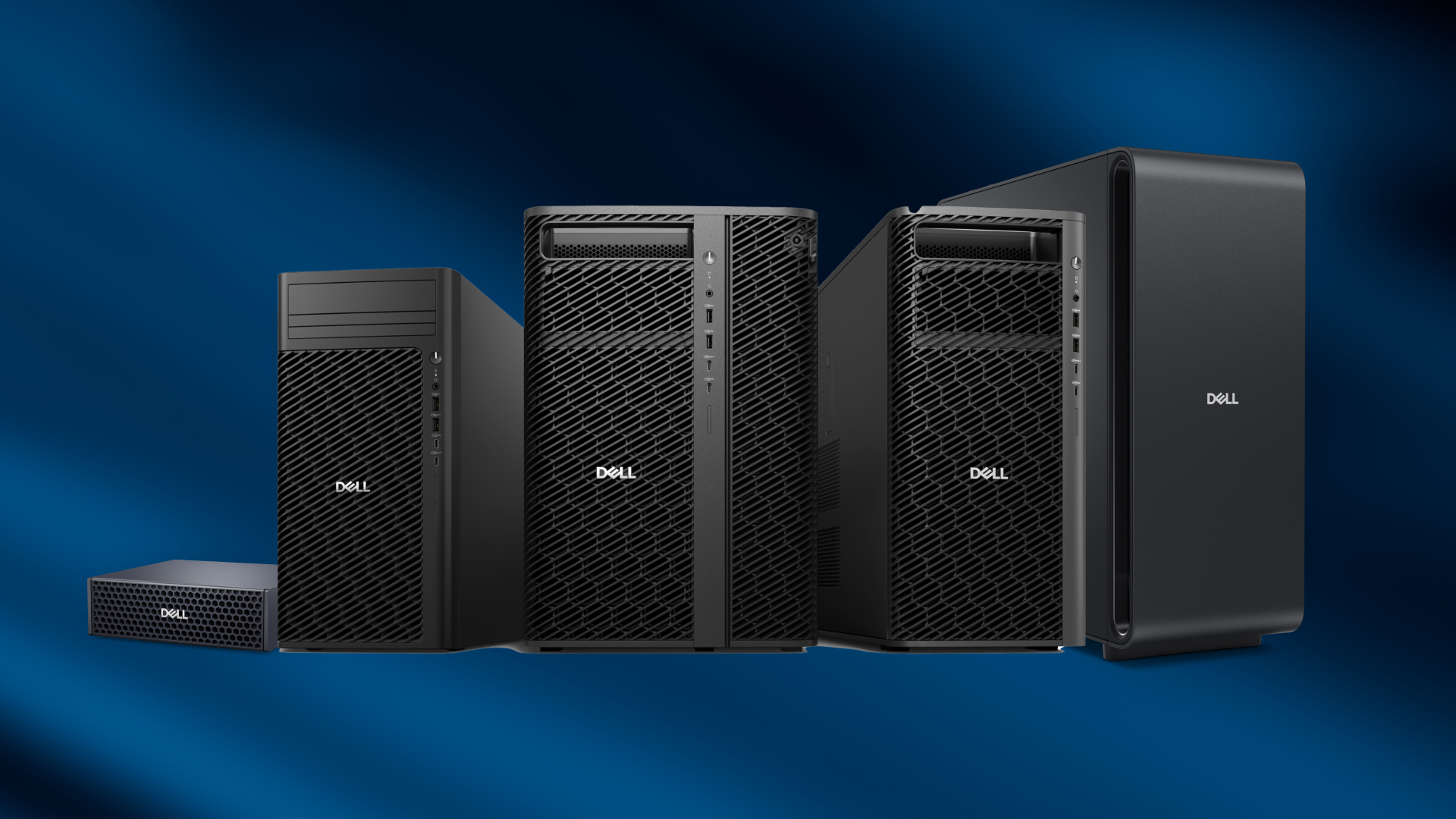 How to lower your AI costs: 3 ways the NVIDIA-powered Dell Pro Max with GB10 and GB300 offer an alternative to token-maxxing
Sponsored Local AI capabilities through the Dell Pro Max series could be the key to tackling surging token consumption rates
-
 Clunky workplace tech is ruining meetings and impacting productivity
News It's not just you: IT leaders say valuable time is being lost every week


-
 ‘Now, compute is revenue’: Jensen Huang hails ‘golden age’ of AI in wake of seismic revenue gains
News Data center revenue gains surged 117% year-over-year at Nvidia, but supply chain issues are still a lingering concern
-
 Dell Technologies unveils massive expansion to Dell AI Factory with Nvidia at GTC 2026
News New offerings aim to give Dell customers maximum flexibility, while providing the raw power necessary for tomorrow’s trillion-parameter models
-
 Nvidia just announced new supercomputers and an open AI model family for science at SC 2025
News The chipmaker is building out its ecosystem for scientific HPC, even as it doubles down on AI factories
-
 US Department of Energy’s supercomputer shopping spree continues with Solstice and Equinox
News The new supercomputers will use Oracle and Nvidia hardware and reside at Argonne National Laboratory
-
 UK to host largest European GPU cluster under £11 billion Nvidia investment plans
News Nvidia says the UK will host Europe’s largest GPU cluster, totaling 120,000 Blackwell GPUs by the end of 2026, in a major boost for the country’s sovereign compute capacity.
-
 Inside Isambard-AI: The UK’s most powerful supercomputer
Long read Now officially inaugurated, Isambard-AI is intended to revolutionize UK innovation across all areas of scientific research
-
 ‘This is the largest AI ecosystem in the world without its own infrastructure’: Jensen Huang thinks the UK has immense AI potential – but it still has a lot of work to do
News The Nvidia chief exec described the UK as a “fantastic place for VCs to invest” but stressed hardware has to expand to reap the benefits
-
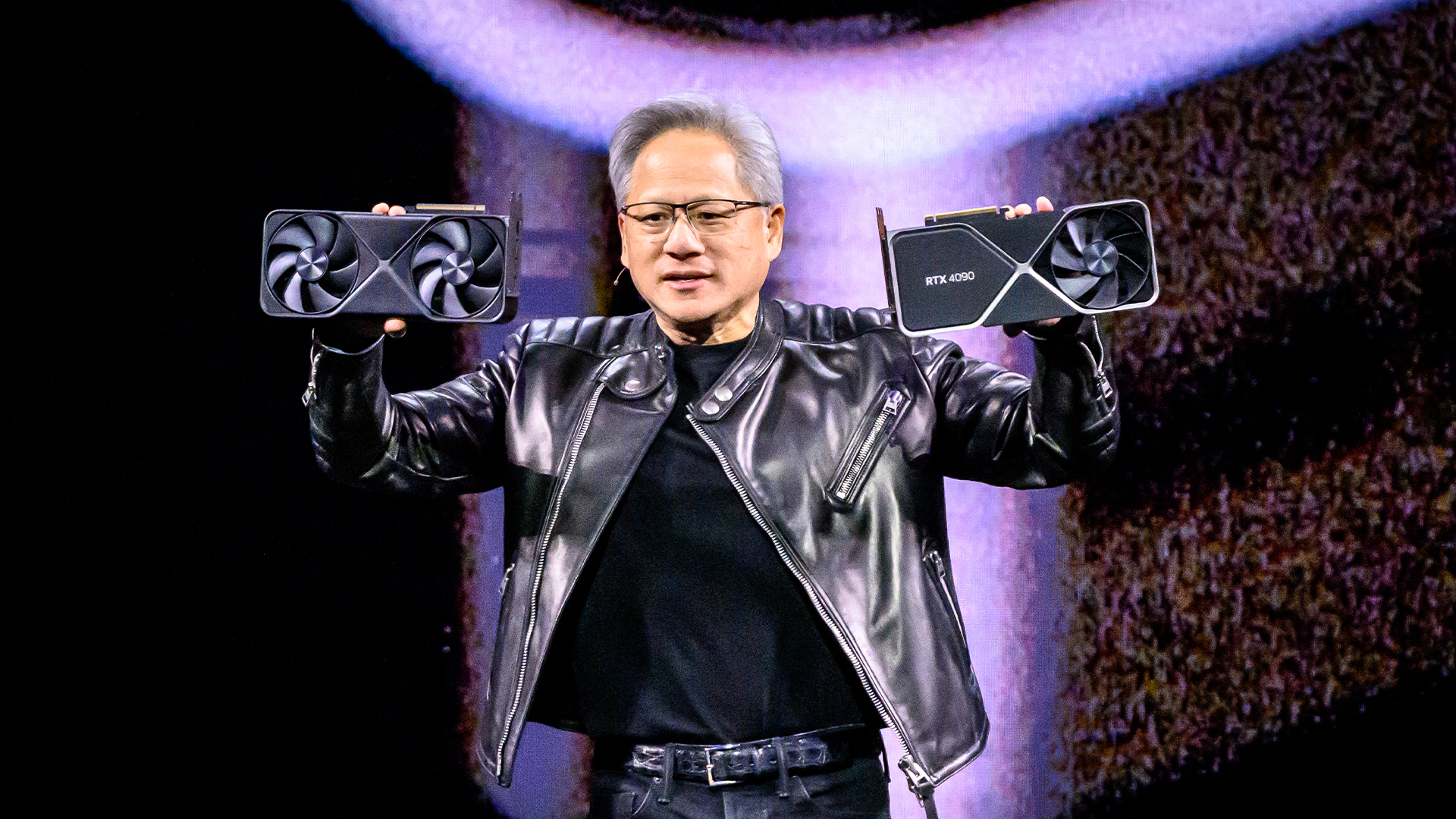 Nvidia GTC 2025: Four big announcements you need to know about
News Nvidia GTC 2025, the chipmaker’s annual conference, has dominated the airwaves this week – and it’s not hard to see why.


