Marc Benioff thinks AI isn't quite ready to replace software engineers
Claims of AI replacing software engineers aren't fully reflected in big tech hiring trends, according to Marc Benioff


-
 IBM and Red Hat report hundreds of open source fixes with Lightwell Clearinghouse scheme
News Lightwell Clearinghouse is now generally available, allowing firms to request priority review and remediations for open source software
-
 New Google Gemini setting could give AI tool broad access to users' Macs
News A new permission would allow an AI agent to access files and carry out actions without specific permission every time


-
 Salesforce targets a sweet escape from the old school UI
Opinion The CRM giant wants to unlock "trapped value" by streamlining agent access to Salesforce data
-
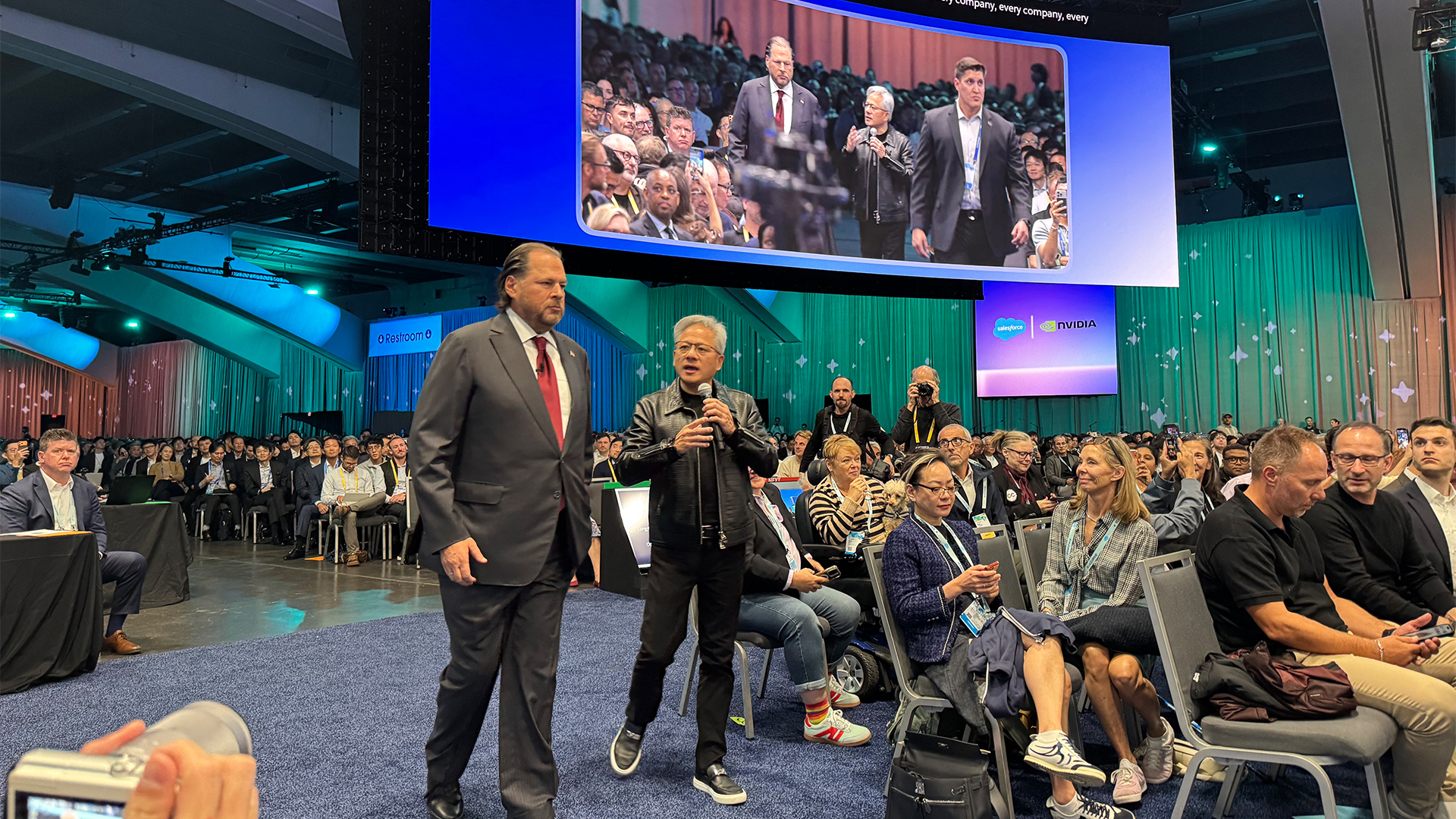 ‘It’s going to make software so much better’: Marc Benioff and Jensen Huang aren’t sold on the ‘SaaSpocalypse’ – AI will take the industry to the next level
News Reports on the death of SaaS has been greatly exaggerated, according to the Nvidia and Salesforce chiefs – but big changes are still looming for software providers
-
 Nearly two-thirds of enterprises could reduce software engineering teams by 2029 – but ‘tiny teams’ won’t be a disaster for engineers
News The influx of AI tools means many firms could create smaller, more agile teams to speed up development processes
-
 ‘The challenge now is making sure the next generation develops those same foundations before relying too heavily on AI’: Devs are swerving fundamental skills like Git and Agile because of AI – but there’s a good reason
News O'Reilly has recorded a massive fall in programming fundamentals courses, but that’s not to suggest devs aren’t learning key skills
-
 ‘The biggest barrier to growth is not access to technology, it is access to the right people’: Demand for developers with AI skills has surged 597% – but enterprises are still struggling to find the right talent
News Hiring is shifting away from traditional software development toward specialized roles to integrate, govern, and scale AI systems
-
 Forward deployed engineers are big tech’s latest gambit to drive AI adoption
News With Microsoft and AWS placing their faith in forward deployed engineers, enterprises will gain a helping hand with tricky AI adoption projects
-
 Agentic AI 'breaks the traditional SaaS seat licensing model' – now it’s up to vendors to ditch 'legacy dashboards' and build with agents in mind
News Incumbent software vendors will need to work harder than ever to compete with agile, AI-focused disruptors
-
 Surging AI costs could exceed developer salaries by 2028 – analysts say context engineering could be the key to optimizing token consumption
Analysis With AI costs rising and enterprises racking up huge bills, engineering leaders need to take drastic measures to limit costs


