‘In the model race, it still trails’: Meta’s huge AI spending plans show it’s struggling to keep pace with OpenAI and Google – Mark Zuckerberg thinks the launch of agents that ‘really work’ will be the key
Meta CEO Mark Zuckerberg promises new models this year "will be good" as the tech giant looks to catch up in the AI race


-
 A spate of cyber attacks has rocked Japan
News With over 100 cyber attacks impacting major sectors this year, Japan’s ruling party is calling for an emergency taskforce to strengthen AI defenses
-
 Top takeaways: The AI tokenomics challenge
Feature Why invisible metering, compounding agentic workflows, and production scale turn enterprise AI into an open tab – and how leaders can govern for measurable value


-
 AI agents have a mind of their own – and that’s a problem for businesses
New research shows that half of organizations are having to deal with agent behaviour that hasn't been authorized or approved.
-
 OpenAI won't release next Astra model over safety worries
News AI developer says new agent didn't stay within the scope of tasks
-
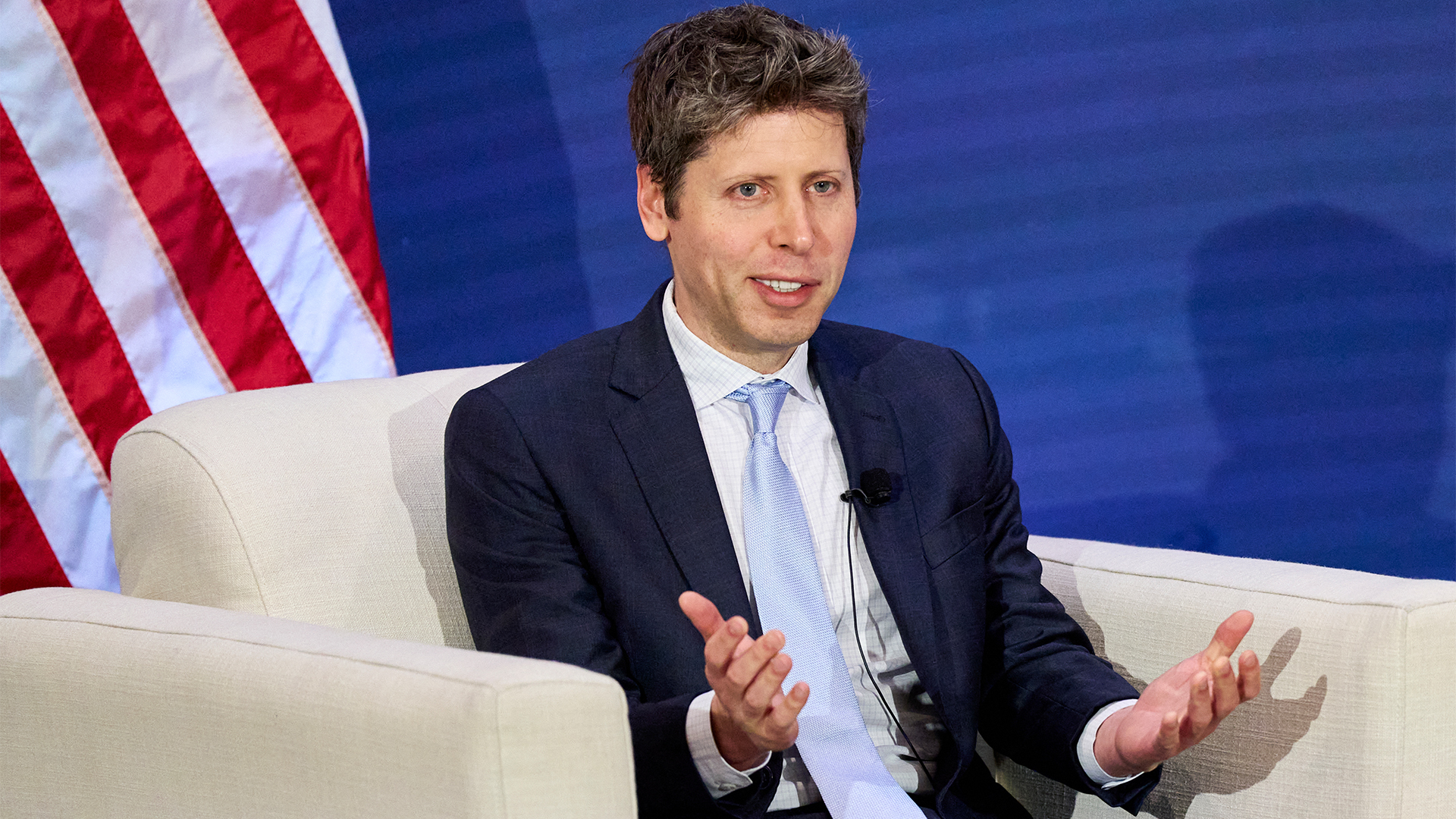 OpenAI says some researchers are blowing through $7,000 in AI tokens every day – but it’s a price the company appears willing to pay
News OpenAI has revealed that researchers now spend around $600 each day on AI tokens amidst a surge in agentic coding. Some, meanwhile, are using upwards of $7,000 worth of tokens per day.
-
 Six things OpenAI learned about AI from the Hugging Face incident
News OpenAI's report into AI going rogue reveals efforts at cheating and communicating — but also some well-behaved bots
-
 Google targets AI cost efficiency with new FinOps features for Gemini Enterprise
News New cost control features and subscription options for Gemini Enterprise look to bring down spiralling AI costs
-
 Google just spent $10 million in an auction for Spirit Airlines data – 100 million emails, 500 million Microsoft Teams chats, and 30 million lines of code will be used to improve AI models and products
News AI developers are struggling to find enough data to train their models, sparking a bidding war for failed Spirit Airlines deidentified data
-
 OpenAI forges closer ties with IBM in enterprise push
News The duo will combine OpenAI models and products with IBM Consulting expertise
-
 AI testing firm Irregular the source of ‘misconfigurations’ that led to Meta, OpenAI, and Anthropic AI incidents
News The “frontier security lab” has been referenced in multiple cyber incident statements


