
-
 Faking it: how to prevent ‘performative AI’ use in the workplace
In-Depth Workers should be able to voice uncertainty to leaders as research shows some are exaggerating AI skills out of fear of losing their jobs
-
 Need a fleet of solid Windows business laptops? Modernize with the Dell Pro 3
Sponsored Aging laptops can nix a small business’s efficiency and productivity, but the Dell Pro 3 can help bring you up to date


-
 Why is Windows 11 so disliked by programmers – and can Microsoft do anything to change things?
In-depth Windows isn't the most useful OS in the eyes of developers, with programmers preferring macOS or Linux. But is its bad reputation uncalled for?
-
 AI is coming to Ubuntu: Canonical exec teases future AI features and agentic workflow capabilities for version 26.10 — but on a ‘strictly opt-in basis’
News A range of new AI features are coming to Ubuntu over the next year, according to maintainers, but only providing they’re of “sufficient maturity and quality”.
-
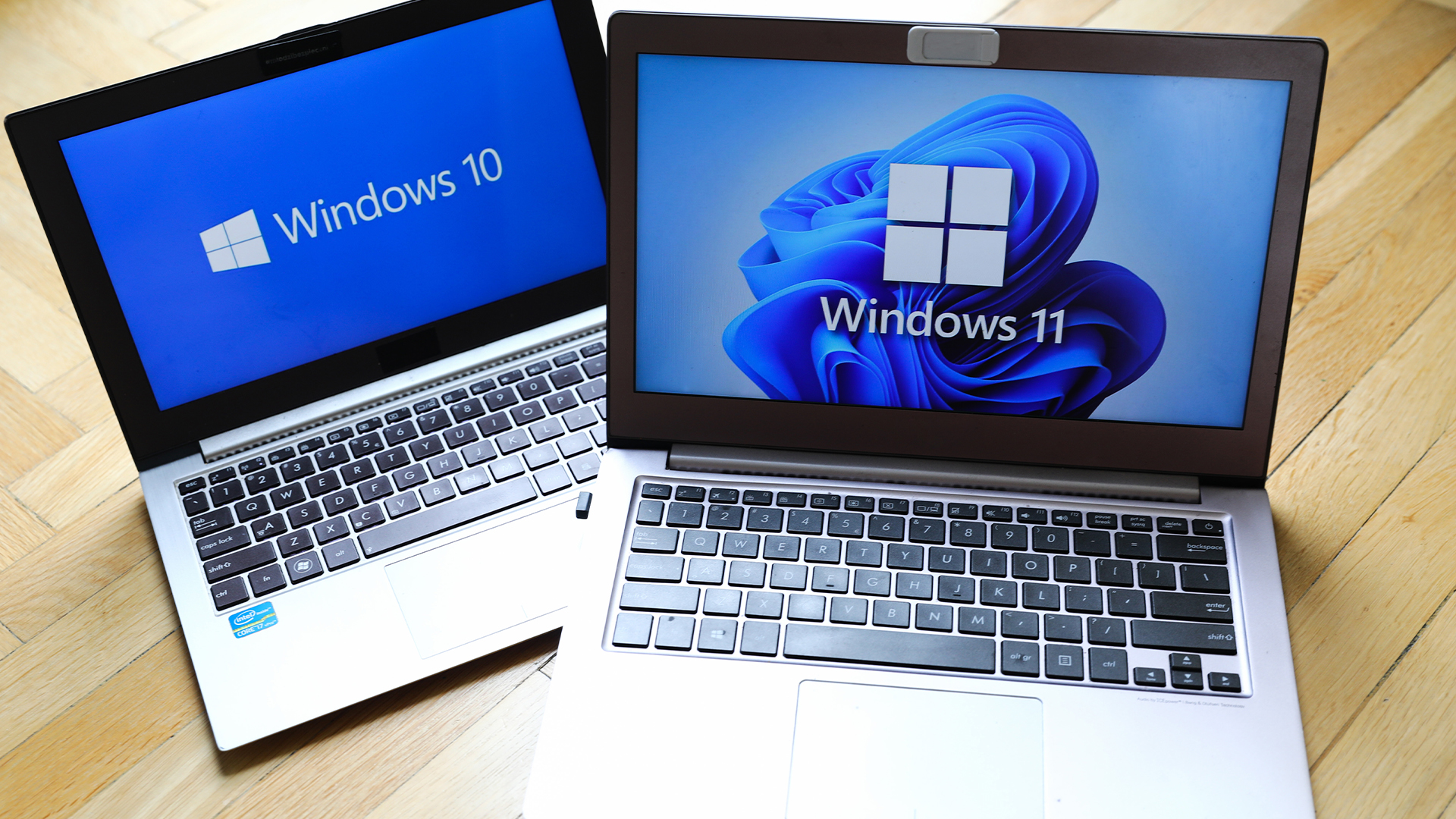 Windows 10 extended support costs could top $7 billion
News Enterprises sticking with Windows 10 after the October deadline face huge costs
-
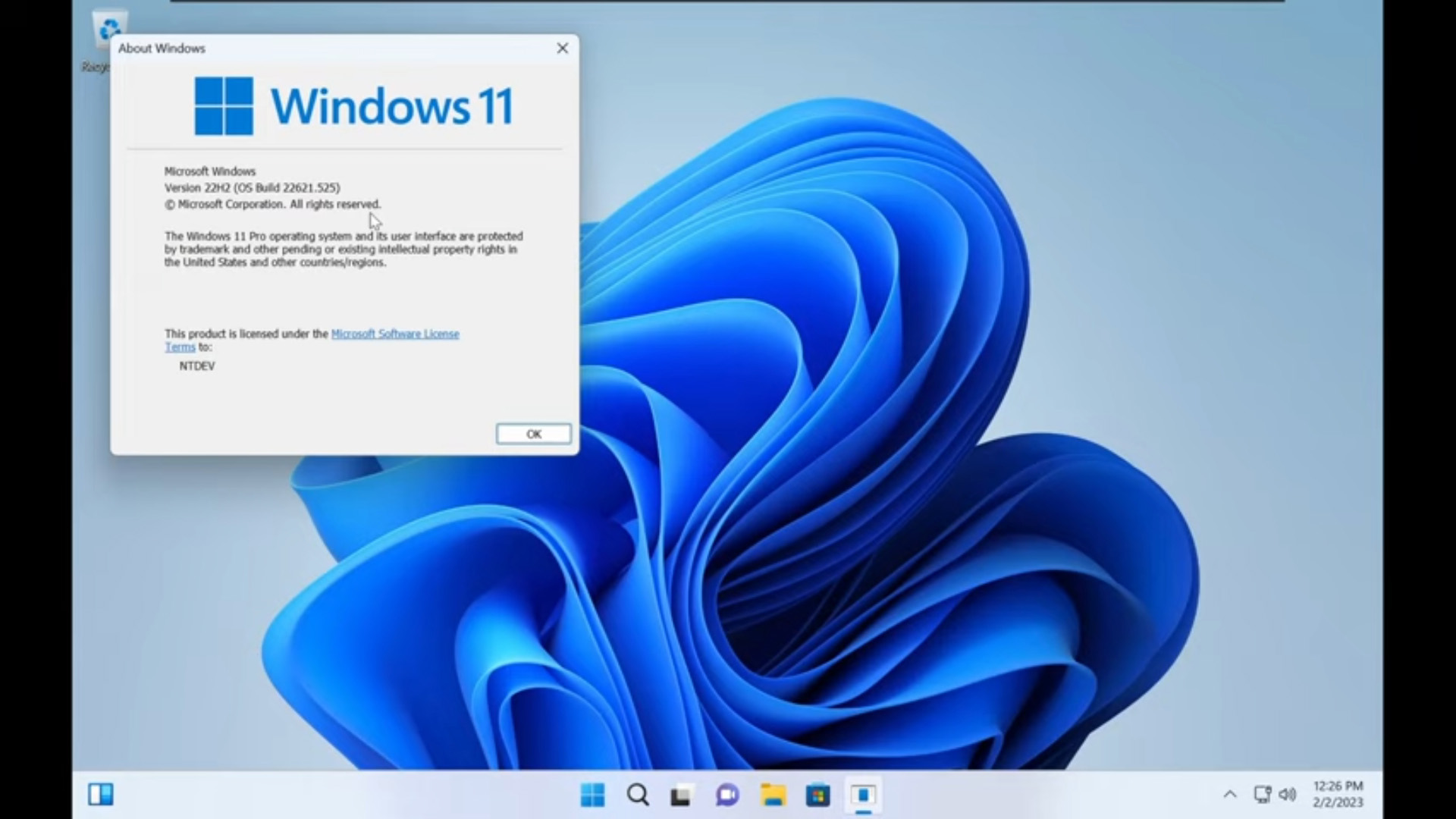 Tiny11 review: Windows 11 with only 2GB of RAM
Review A version of Windows 11 for older machines that don't meet the full requirements
-
 Red Hat Enterprise Linux becomes foundational operating system for Cohesity Data Cloud
News New strategic partnership between Red Hat and Cohesity aims to drive innovation in the data security and management space
-
 Ubuntu shifts to four-week update cycle
News Critical fixes will also come every two weeks, mitigating the issues involved with releasing prompt patches on the old three-week cadence
-
 AlmaLinux follows Oracle in ditching RHEL compatibility
News Application binary compatibility is now the aim with 1:1 now dropped
-
 How big is the Windows 10 cliff-edge?
ITPro Network With some comparing the upcoming Windows 10 end of life to Windows XP, we ask members of the ITPro Network for their insight


