Industry giants combat malaria with tech
IBM, Novartis and Vodafone have teamed up to use technology in the fight against malaria.
Tech giants are putting their expertise to good use outside of the corporate arena by using IT to combat malaria by ensuring drugs are more readily available.
Dubbed SMS for Life, the solution - jointly developed by IBM, Novartis and Vodafone - is being used in association with the Roll Back Malaria Partnership, to boost availability of anti-malarial drugs in remote areas of Tanzania.
SMS for Life brings together mobiles, SMS and web-based tech to help track and manage the supply of Artemisinin-based Combination Therapy (ACT) drugs and Quinine injectables. Put together, these can greatly reduce the death toll linked to malaria, which totals almost one million people each year in Africa - most of which are young children and pregnant women.
After visits to clinics, hospitals and dispensaries across Tanzania, IBM, Novartis and Vodafone initiated a five-month pilot of the SMS for Life solution, covering 135 villages and over a million people in different geographic locations across Tanzania.
Healthcare staff receive automated text to remind them to check drug stocks every week. Then, using toll-free numbers, they can reply by text to a central UK-based database. Once stock levels are determined, deliveries can be arrange before they completely run out.
IBM interns - dubbed Extreme Blue - were heavily involved in the project, as was Vodafone's development partner MatsSoft.
"This is an example of a truly innovative solution helping solve a humanitarian problem. After spending time on the ground, we created a project plan, developed the application with Vodafone and Novartis and established the best way to deliver the pilot, working with the Tanzanian Ministry of Health," said Peter Ward, project manager for IBM, in a statement. "We expect other countries will also be able to benefit in the future."
Sign up today and you will receive a free copy of our Future Focus 2026 report - the leading resource for IT decision-maker insight on priorities and investment areas in AI, security and more.
During the pilot benefits were clear almost immediately. Indeed, during the first few weeks, the number of locations reporting zero stock levels went down by more than 75 per cent. As a result, the authorities are considering extending the roll-out country wide.
"The SMS for Life programme has already had a positive effect in Tanzania. I've seen district medical officers ordering urgent stock replacements for various health facilities," said Winfred Mwafongo, senior health officer for Tanzania's Ministry of Health and Social Welfare, in a statement.
"During a visit to 19 rural health facilities in one district alone, I saw huge improvements in their inventory management systems. I'm very impressed with the results so far and look forward to following the rest of the pilot through to completion."
Maggie has been a journalist since 1999, starting her career as an editorial assistant on then-weekly magazine Computing, before working her way up to senior reporter level. In 2006, just weeks before ITPro was launched, Maggie joined Dennis Publishing as a reporter. Having worked her way up to editor of ITPro, she was appointed group editor of CloudPro and ITPro in April 2012. She became the editorial director and took responsibility for ChannelPro, in 2016.
Her areas of particular interest, aside from cloud, include management and C-level issues, the business value of technology, green and environmental issues and careers to name but a few.
-
IBM strikes Arm deal in AI-focused hardware pushNews The companies say they want to help enterprises run future AI and data intensive workloads more flexibly
-
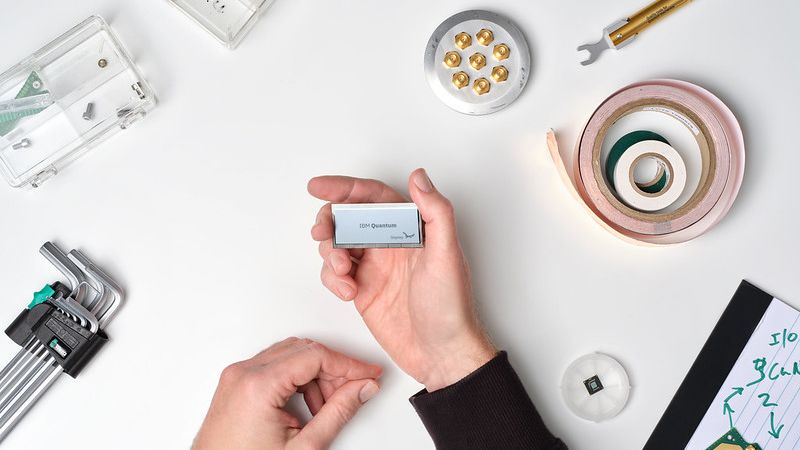
IBM unveils its 'most powerful' 433-qubit quantum processorNews The Osprey is three times more powerful than IBM's 127-qubit Eagle processor the company launched a year ago
-

The true story behind the IBM Personal ComputerIn-depth The industry-creating IBM Personal Computer 5150 turned 40 this year. To mark the occasion, we reveal the story of its birth – and destroy one long-running myth in the process
-

7 most powerful computers of all timeIn-depth These behemoths can crunch through numbers like nothing else
-
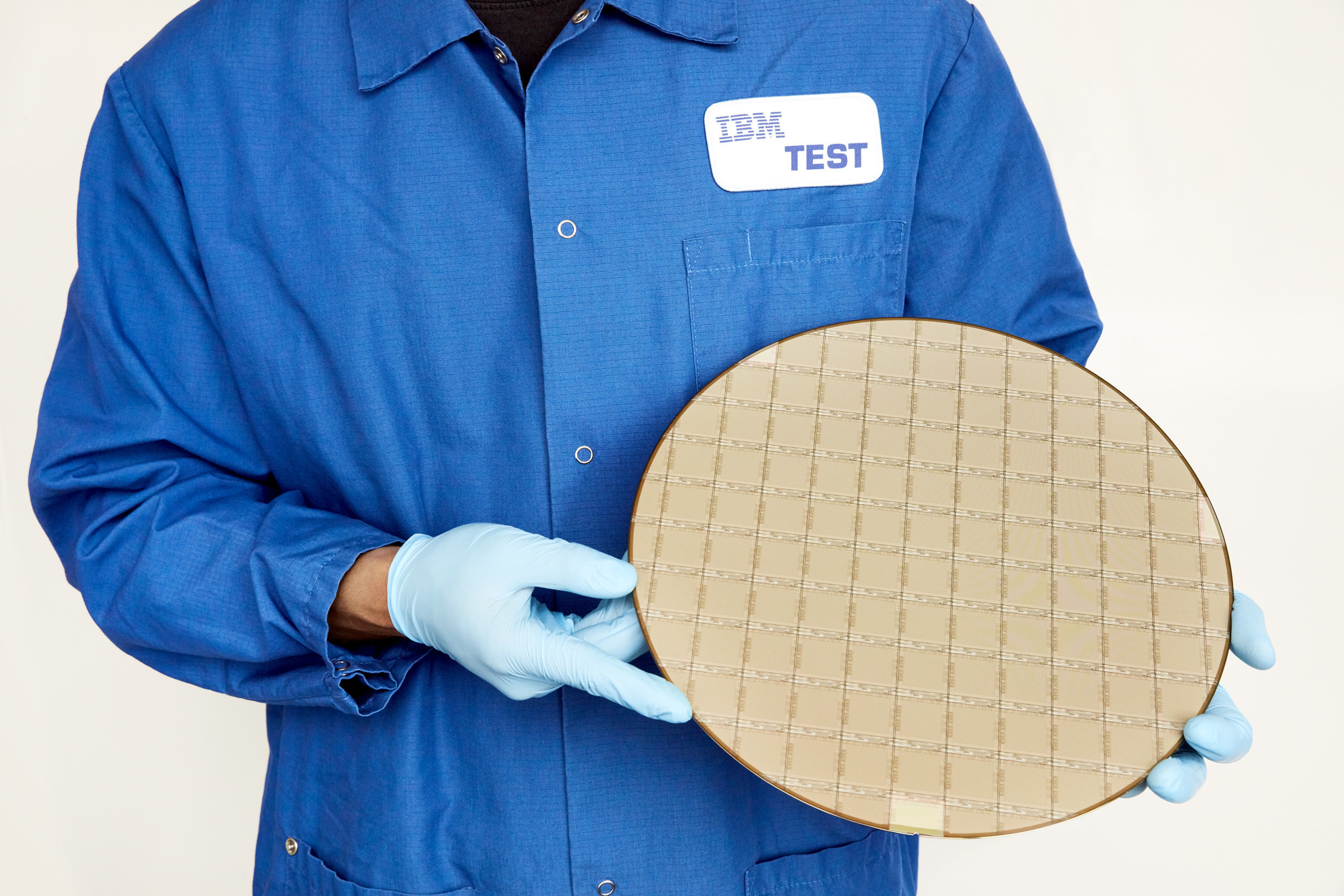
IBM unveils on-chip AI accelerator for fraud detectionNews The first system to use the 'Telum' processor could be ready by the first half of 2022
-

IBM unveils the world’s first quad-core AI accelerator chipNews The chip can be scaled for commercial use in hybrid-cloud environments
-
IBM unveils its 'most powerful' processor yetNews The Power10 data centre chip will handle three times the workload of its predecessor, IBM claims
-

IBM crowdsources CPU power to fuel coronavirus researchNews A desktop app can tap into the processing power of idle PCs and laptops to run chemical simulations