Symbian Foundation to close websites in December
The Symbian Foundation will take down its websites in less than a month.
The Symbian Foundation is to close its websites on 17 December as it makes the move over to becoming a licensing body.
In doing so, it will be taking the OS source code offline, although it will be made available "in some form," the Symbian Foundation said.
Whatever form it comes in, be it via USB or DVD, developers who want to access the source code will have to put in a request and wait until 31 January 2011 onwards before they will receive anything.
They may also have to pay a charge for media and shipping.
Last month, Symbian said the shift to software licensing would lead to some members of the team losing their jobs, while operations would be reduced.
Nokia today reiterated its backing for the Symbian platform, amidst talk of the operating system losing popularity.
When asked whether the Finnish mobile manufacturer would ever move away from Symbian, Ilari Nurmi, vice president for business smartphones at Nokia, stressed the firm will not look elsewhere for another operating system.
Sign up today and you will receive a free copy of our Future Focus 2026 report - the leading resource for IT decision-maker insight on priorities and investment areas in AI, security and more.
"Symbian is definitely serving us very, very well," Nurmi told IT PRO at a meeting this morning.
"The latest Symbian smartphones that have the new Symbian experience, I think we are very happy with these devices."
As for Meego, Nurmi had little to say on its development at Nokia.
"We currently have no news related to Meego. In Nokia World in September we said we will concentrate on the things that we have going out now," he added.
Whilst Meego seems to be a no-go for now, and the various changes the Finnish firm has seen this year including a new chief executive (CEO) in the form of Stephen Elop, Nurmi still felt excited about Nokia's future.
"I think we are definitely living in exciting times," Nurmi added.
"We are very happy with the new CEO."
Tom Brewster is currently an associate editor at Forbes and an award-winning journalist who covers cyber security, surveillance, and privacy. Starting his career at ITPro as a staff writer and working up to a senior staff writer role, Tom has been covering the tech industry for more than ten years and is considered one of the leading journalists in his specialism.
He is a proud alum of the University of Sheffield where he secured an undergraduate degree in English Literature before undertaking a certification from General Assembly in web development.
-
UK tech leaders are implementing AI faster than related governanceNews IBM research shows that chief AI officers are being given strategy roles, but not full control
-

11:11 Systems appoints new EVP in EMEA growth driveNews The experienced executive will oversee the provider’s operations and strategic execution across the region as it targets further growth
-
Why is Windows 11 so disliked by programmers – and can Microsoft do anything to change things?In-depth Windows isn't the most useful OS in the eyes of developers, with programmers preferring macOS or Linux. But is its bad reputation uncalled for?
-

AI is coming to Ubuntu: Canonical exec teases future AI features and agentic workflow capabilities for version 26.10 — but on a ‘strictly opt-in basis’News A range of new AI features are coming to Ubuntu over the next year, according to maintainers, but only providing they’re of “sufficient maturity and quality”.
-
Windows 10 extended support costs could top $7 billionNews Enterprises sticking with Windows 10 after the October deadline face huge costs
-
Tiny11 review: Windows 11 with only 2GB of RAMReview A version of Windows 11 for older machines that don't meet the full requirements
-

Red Hat Enterprise Linux becomes foundational operating system for Cohesity Data CloudNews New strategic partnership between Red Hat and Cohesity aims to drive innovation in the data security and management space
-
Ubuntu shifts to four-week update cycleNews Critical fixes will also come every two weeks, mitigating the issues involved with releasing prompt patches on the old three-week cadence
-
AlmaLinux follows Oracle in ditching RHEL compatibilityNews Application binary compatibility is now the aim with 1:1 now dropped
-
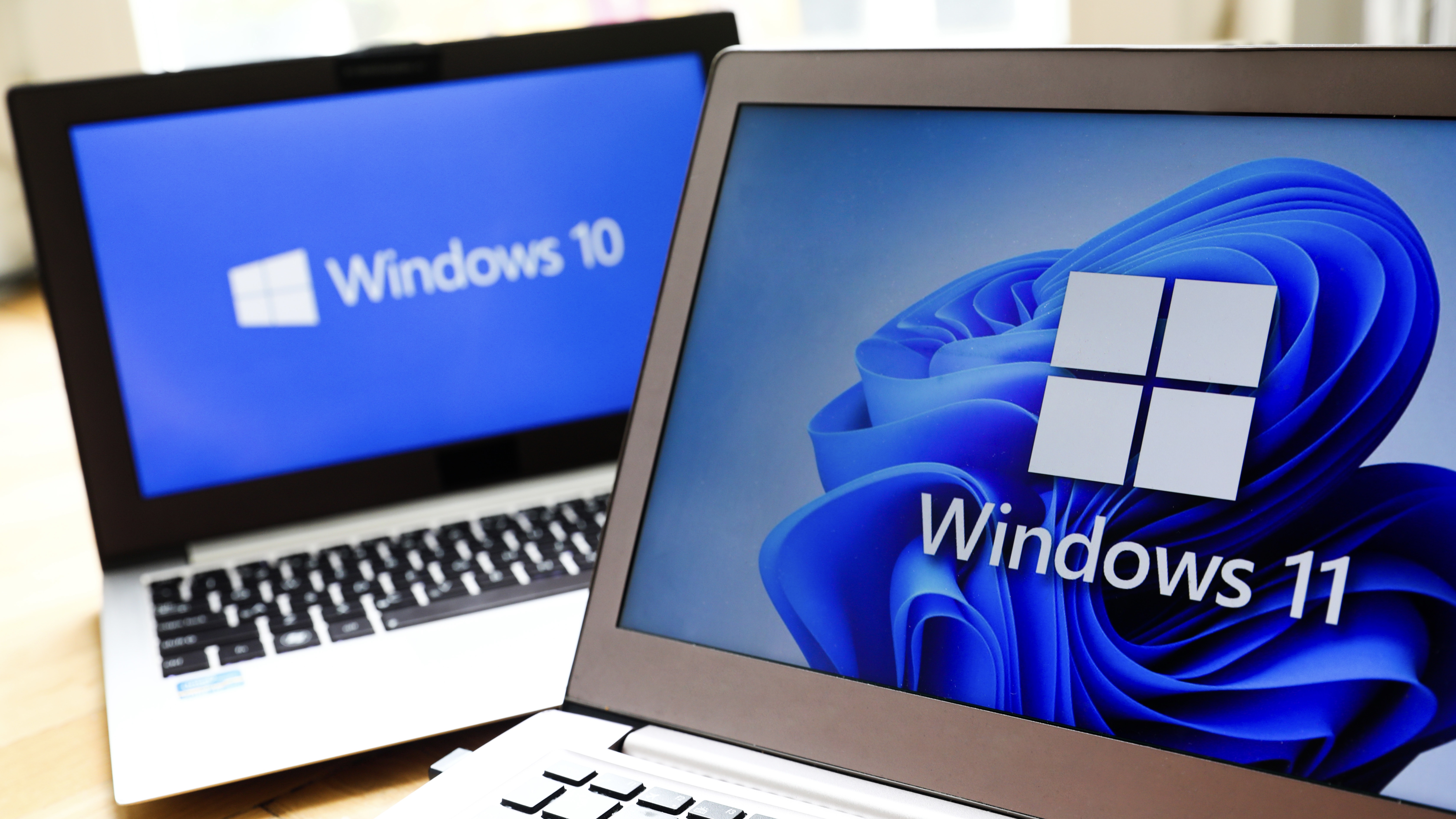
How big is the Windows 10 cliff-edge?ITPro Network With some comparing the upcoming Windows 10 end of life to Windows XP, we ask members of the ITPro Network for their insight