Draft Communications Data Bill enrages privacy groups
The "Snoopers' Charter" could leave UK citizens at risk from blackmail and data theft, experts warn.
Privacy campaigners have raised concerns that, if approved in its current form, the Communications Data Bill would leave UK citizens open to extortion and blackmail.
Dubbed the "Snooper's Charter", the Bill will provide law enforcement agencies, such as GCHQ, with access to communications data to help detect criminal activity.
For many years, communications data from landline telephones and mobiles has been used to catch criminals.
A draft version of the Bill was published yesterday, with Home Secretary Theresa May hailing the move as an important next step in the ongoing fight against serious crime.
"For many years our police and security and intelligence agencies have used communications data from landline telephones and mobiles to catch criminals," said May in introduction of the Bill.
"But the ability of the police and others to use this vital tool is disappearing because communications data from new technologies is less available and often harder to access."
Without urgent action, May claims this could lead to "crimes enabled by the internet" going undetected, which could put UK citizens in danger.
Sign up today and you will receive a free copy of our Future Focus 2026 report - the leading resource for IT decision-maker insight on priorities and investment areas in AI, security and more.
"No responsible Government could allow such a situation to develop unaddressed," she added.
Parliamentary debate
The Bill's content was debated by privacy campaigners and MPs during an event at the Houses of Parliament yesterday.
Speaking at the event, Eric King, head of research at campaign group Privacy International, warned the proposals would put the "nation's internet under surveillance," as companies will be forced to retain data massive amounts of data about their customers.
"[The Government] is saying they want everything you've got and, if you can't, we'll give you the tools," said King.
"We think this will include black boxes...that will intercept every single packet...because there is no way any of this will work without intercepting every packet."
Caroline Donnelly was the news and analysis editor of IT Pro. Previously, she worked as a reporter at several B2B publications, including UK channel magazine CRN, and as features writer for local weekly newspaper, The Slough and Windsor Observer. She studied Medical Biochemistry at the University of Leicester and completed a Postgraduate Diploma in Magazine Journalism at PMA Training in 2006.
-
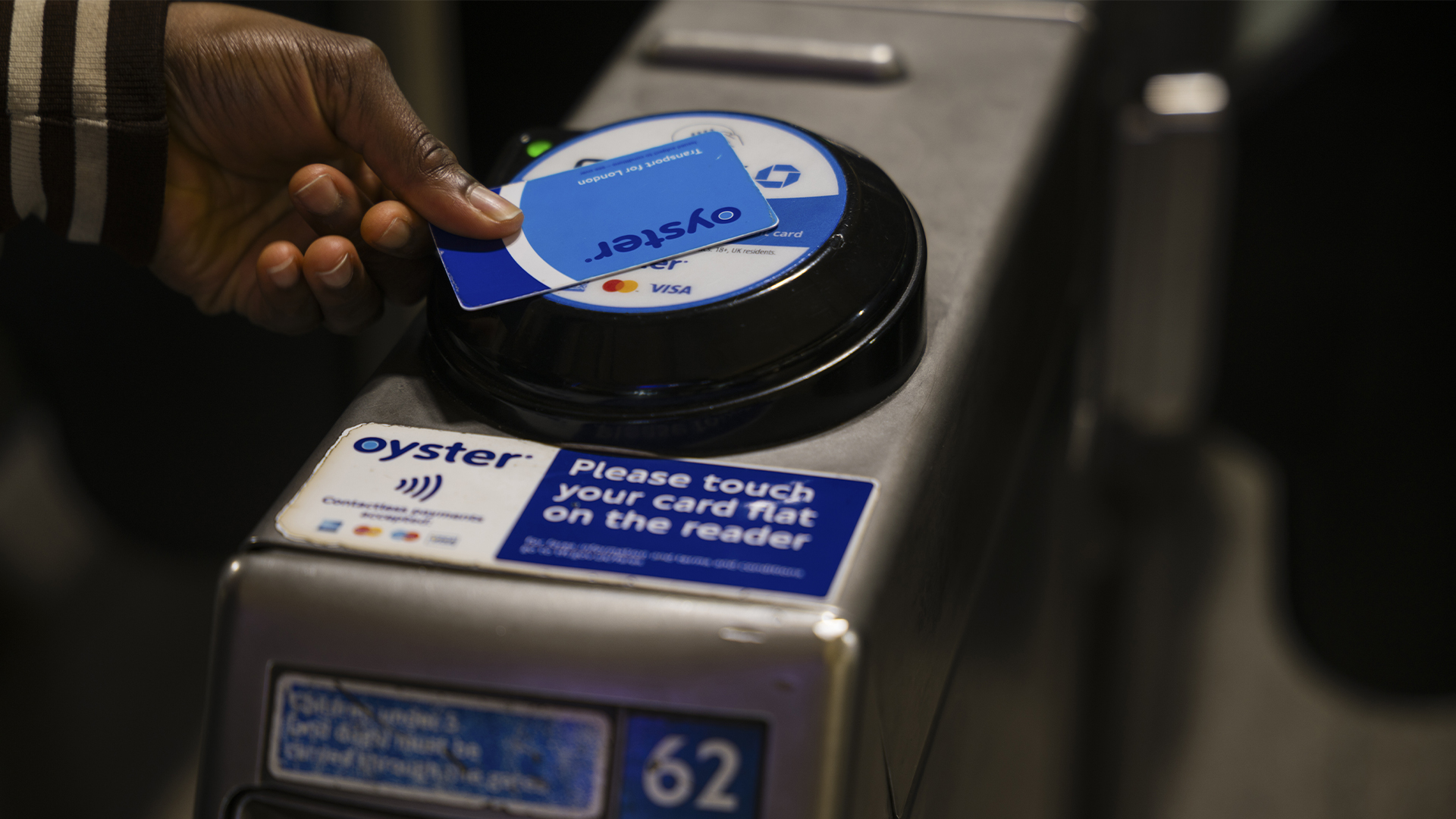
TfL takes Oyster photocard systems offline following breachNews Security experts warn the Oyster photocard breach could lead to follow-up attacks on victims
-

Irish credit unions hit by data breach after IT provider compromisedNews Wellington IT reportedly delayed alerting customers by multiple weeks
-

UK government to fund regional tech programs up to £20mnews Local and regional partnerships invited to bid for support for established or developing projects
-

Government’s ‘Humphrey’ AI tool helps local authorities cut costsNews The Minute tool, part of the Humphrey AI assistant, is being trialled at 25 councils
-

The UK government hopes AI will supercharge public sector digital transformation – IT leaders aren’t so sureNews Research from SolarWinds shows public sector transformation is progressing at a snail's pace despite IT leaders pushing for rapid improvements.
-

Starmer bets big on AI to unlock public sector savingsNews AI adoption could be a major boon for the UK and save taxpayers billions, according to prime minister Keir Starmer.
-

UK government targets ‘startup’ mindset in AI funding overhaulNews Public sector AI funding will be overhauled in the UK in a bid to simplify processes and push more projects into development.
-
UK government signs up Anthropic to improve public servicesNews The UK government has signed a memorandum of understanding with Anthropic to explore how the company's Claude AI assistant could be used to improve access to public services.
-
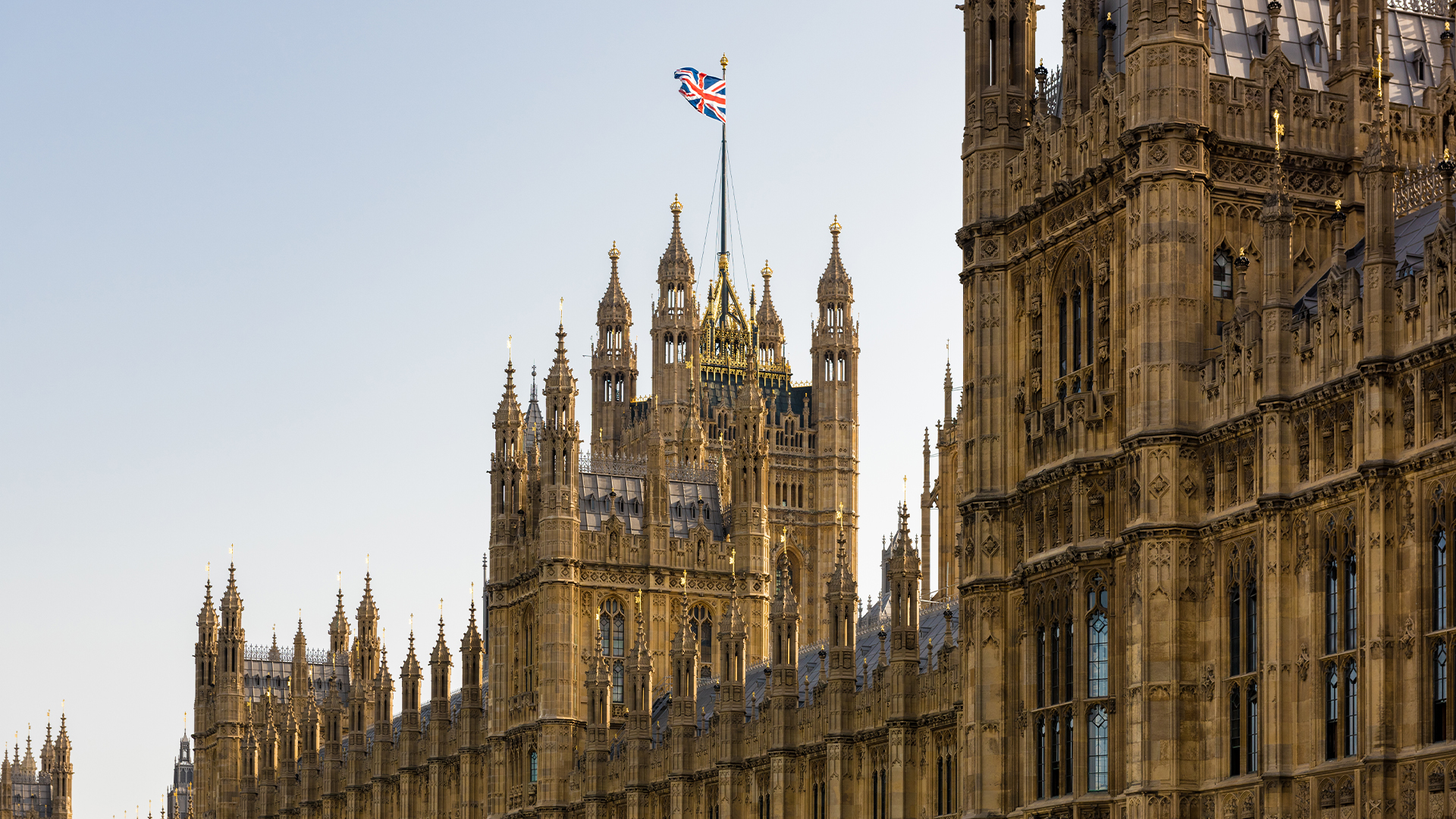
Government says new data bill will free up millions of hours of public sector timeNews The UK government is proposing new data laws it says could free up millions of hours of police and NHS time every year and boost the UK economy by £10 billion.
-

Three giant tech challenges the UK’s new government faces right nowOpinion Five years starts now, and there’s not a second to waste