Lawsuit concerning HP's “fraudulent” printing supply sales resurrected following appeal
Complainants argue that HP actively defrauded investors over printing supply sales between 2016 and 2016


A lawsuit against HP alleging the company defrauded investors is set to continue after a US appeals court reversed a ruling which dismissed the case.
The case was previously dismissed amid claims that complainants had filed a legal challenge too late.
However, the 9th US Circuit Court of Appeals overturned the decision on Tuesday, potentially paving the way for a renewed challenge.
Complainants in the case argue that HP misled shareholders by making “fraudulent statements” about its printing supplies business in 2015 and 2016.
A key element in the case is that HP unveiled plans to reduce product inventories across distribution channels in June 2016.
The firm said at the time that this move would reduce revenue from printing supplies by nearly $450 million across two quarters in that year.
However, in September 2020 the Securities and Exchange Commission (SEC) issued HP with a $6 million fine over these sales practices.
The SEC said at the time that regional managers had incentivized staff to “accelerate sales” and offer discounted supplies to HP-linked resellers, meaning that the company cannibalized sales from affiliate distributors.

The business value of Dell Technologies APEX as-a-Service solutions
Lower your annual infrastructure costs
“During the period relevant to this case, HP sold its supplies through a ‘push model’. Under this model, HP offered incentives to ‘Tier 1’ distributors to purchase printing supplies,” legal documents read.
“Those Tier 1 distributors, in turn, sold to ‘Tier 2’ distributors who sold HP products to other resellers or to end users,” read the court documents.
“These sales, offered at a discount, “[cannibalized]” sales from local distributors, who would have to lower prices to compete with marked-down goods from other territories.”
HP investors were not informed of these practices, the SEC noted, which prompted a swift legal challenge just weeks after the SEC settlement agreement.
In March 2022, a California court dismissed the case, claiming that investors should have lodged a complaint within a two-year time frame of the ‘discovery’ of fraudulent activities.
However, it was argued that investors could not have known of such activities prior to the SEC ruling.
“Lead plaintiff Maryland Electrical Industry Pension Fund alleged that HP and individual defendants made fraudulent statements about HP’s printing supplies business,” court documents read.
“The district court concluded that the complaint, filed in 2020, was barred by the two-year statute of limitations, 28 U.S.C. § 1658(b)(1), because the public statements, loss in profits, and reductions in channel inventory at the heart of Maryland Electrical’s claims had all taken place by 2016.”
The successful appeal means that investors could pursue compensation against the California-based firm.
Darren Robbins, an attorney for the Maryland-based pension fund leading the lawsuit, told Reuters that the decision will help investors seeking a resolution to the dispute.
ITPro has approached HP for comment.

-
 UK tech leaders are implementing AI faster than related governance
News IBM research shows that chief AI officers are being given strategy roles, but not full control
-
 11:11 Systems appoints new EVP in EMEA growth drive
News The experienced executive will oversee the provider’s operations and strategic execution across the region as it targets further growth


-
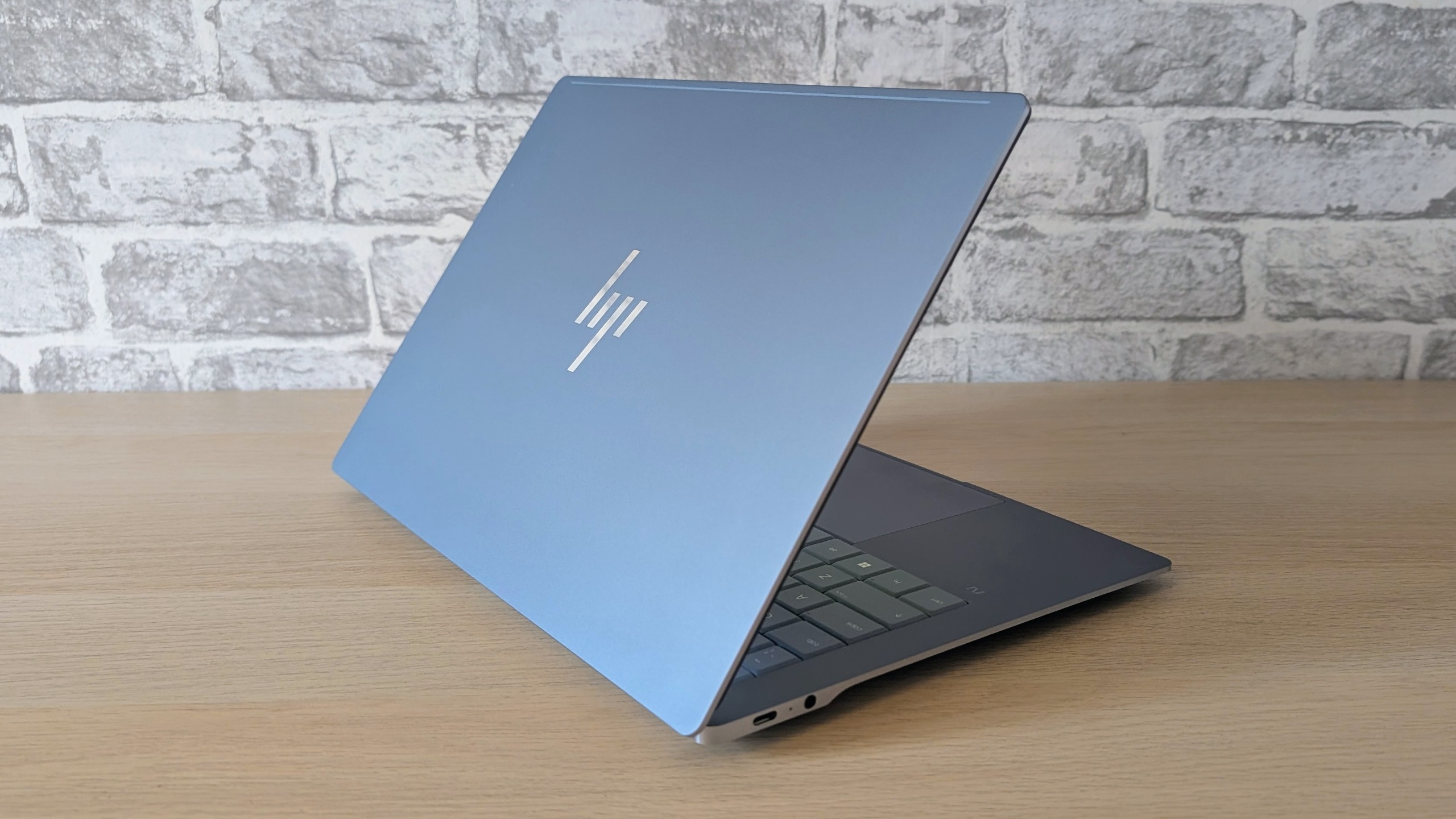 All hail the HP OmniBook Ultra 14 – the battery life king of compact laptops
Reviews As a versatile and capable daily driver, HP's cheapest Snapdragon X2-powered compact OmniBook Ultra takes some beating
-
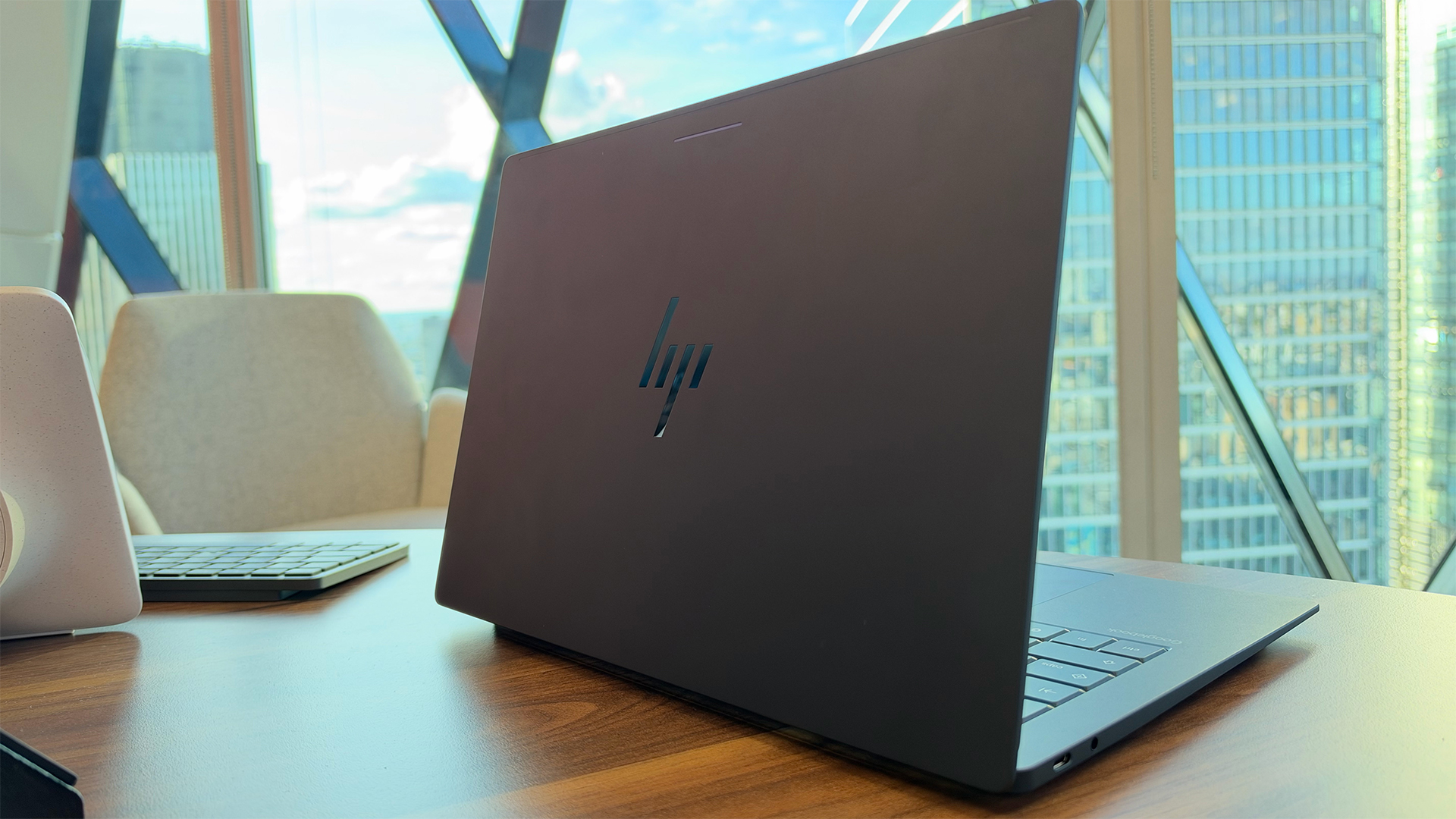 Googlebook: Everything you need to know about the new Gemini-powered laptop range – including pricing, performance specs, and release dates
News A new class of Gemini-powered laptops is here with the aim of fusing Android and Chrome
-
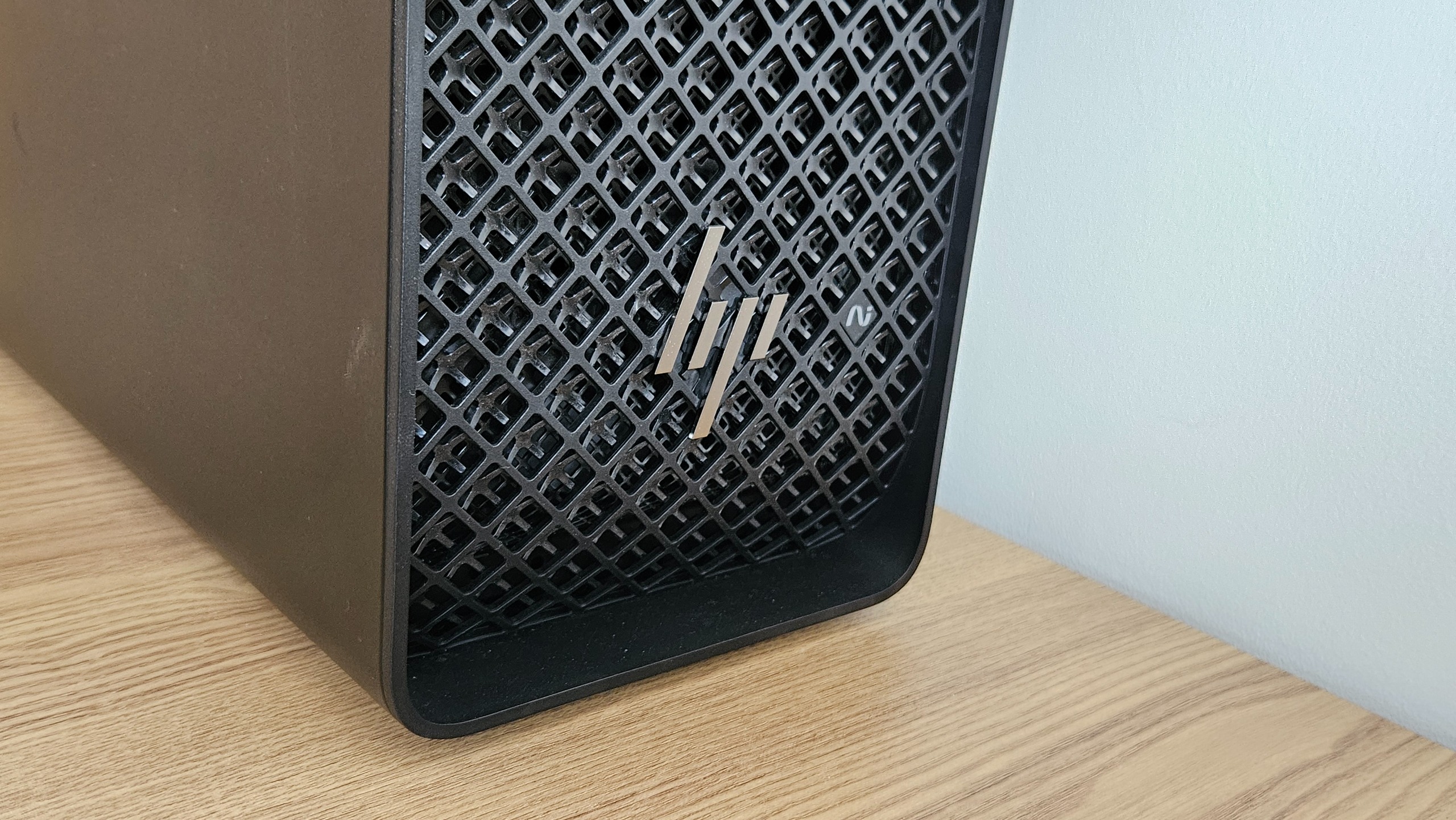 The HP Z4 G6i Workstation is a breathtaking colossus that will bring data center-grade performance to your desktop
Reviews This foray into the overcharged desktop workstation is an absolute triumph, despite the frankly ridiculous price tag
-
 Your AI strategy has a paper problem
Sponsored How multifunction, AI-enabled printers earn their place at the table
-
 The memory shortage is hitting PC sales hard, but vendor revenues are still growing at the expense of consumers
News AI-driven component shortages are hurting PC sales, but device vendors are recording solid revenue growth
-
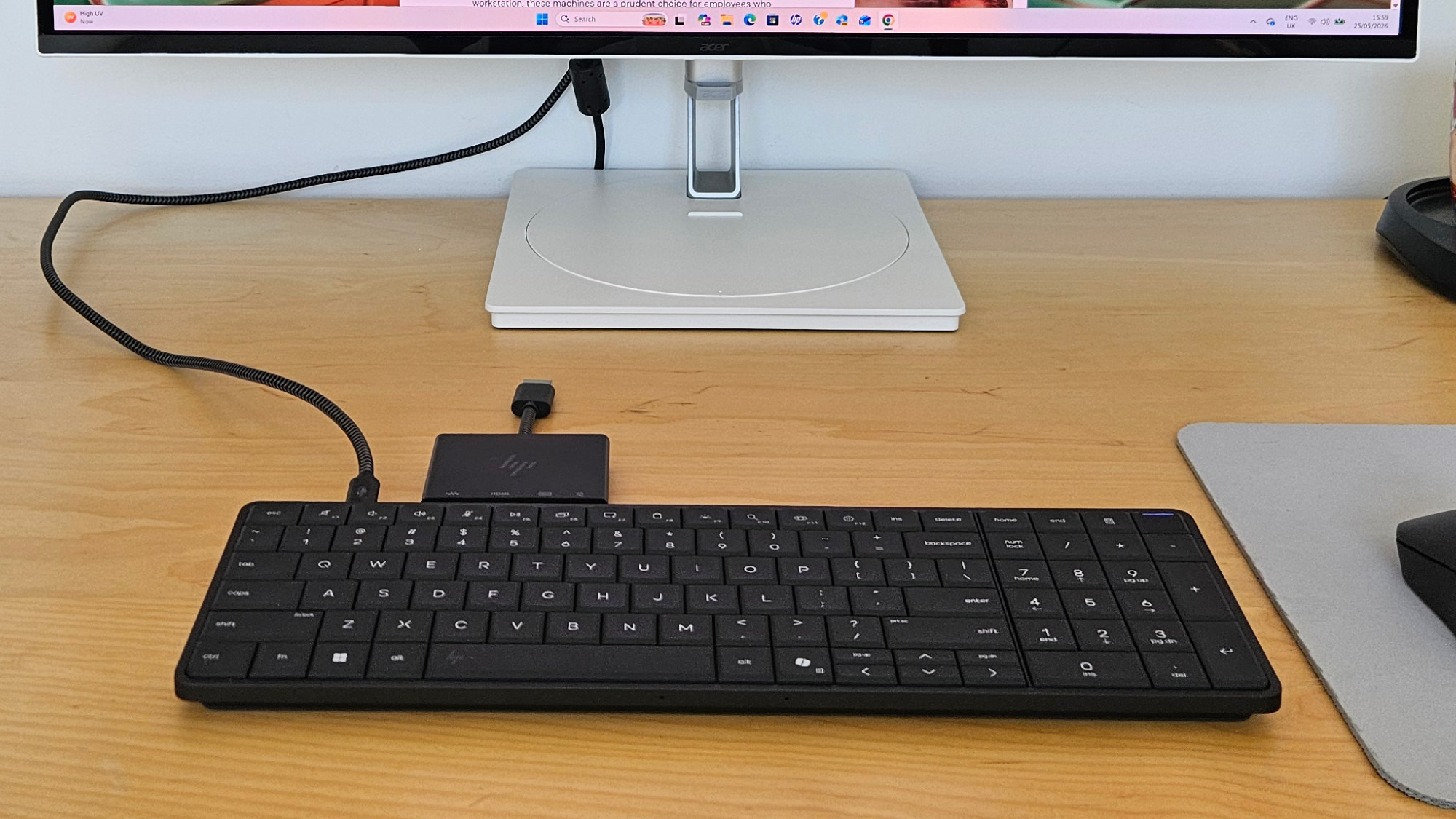 The HP EliteBoard G1a is an elegant and innovative device that blueprints a new form of mobile working
Reviews This year's most unusual enterprise device is a smart keyboard that threatens to disrupt the way you work
-
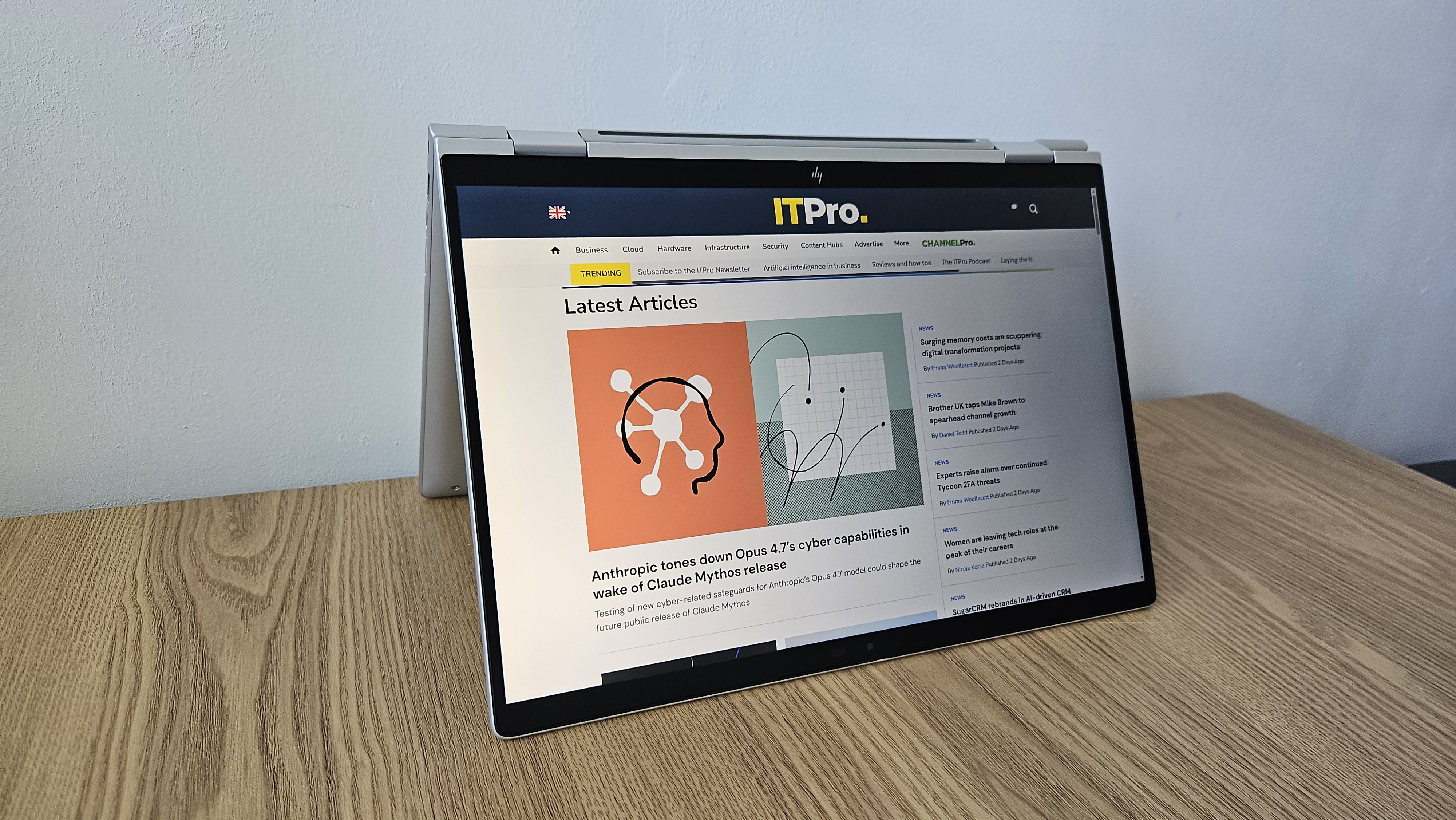 The HP EliteBook X Flip G1i offers peace of mind to paranoid professionals who crave mobile working
Reviews Looking past the lack of a multi-core roar in its Lunar Lake chip, there's very little to complain about in this mobile and security-centric hybrid machine
-
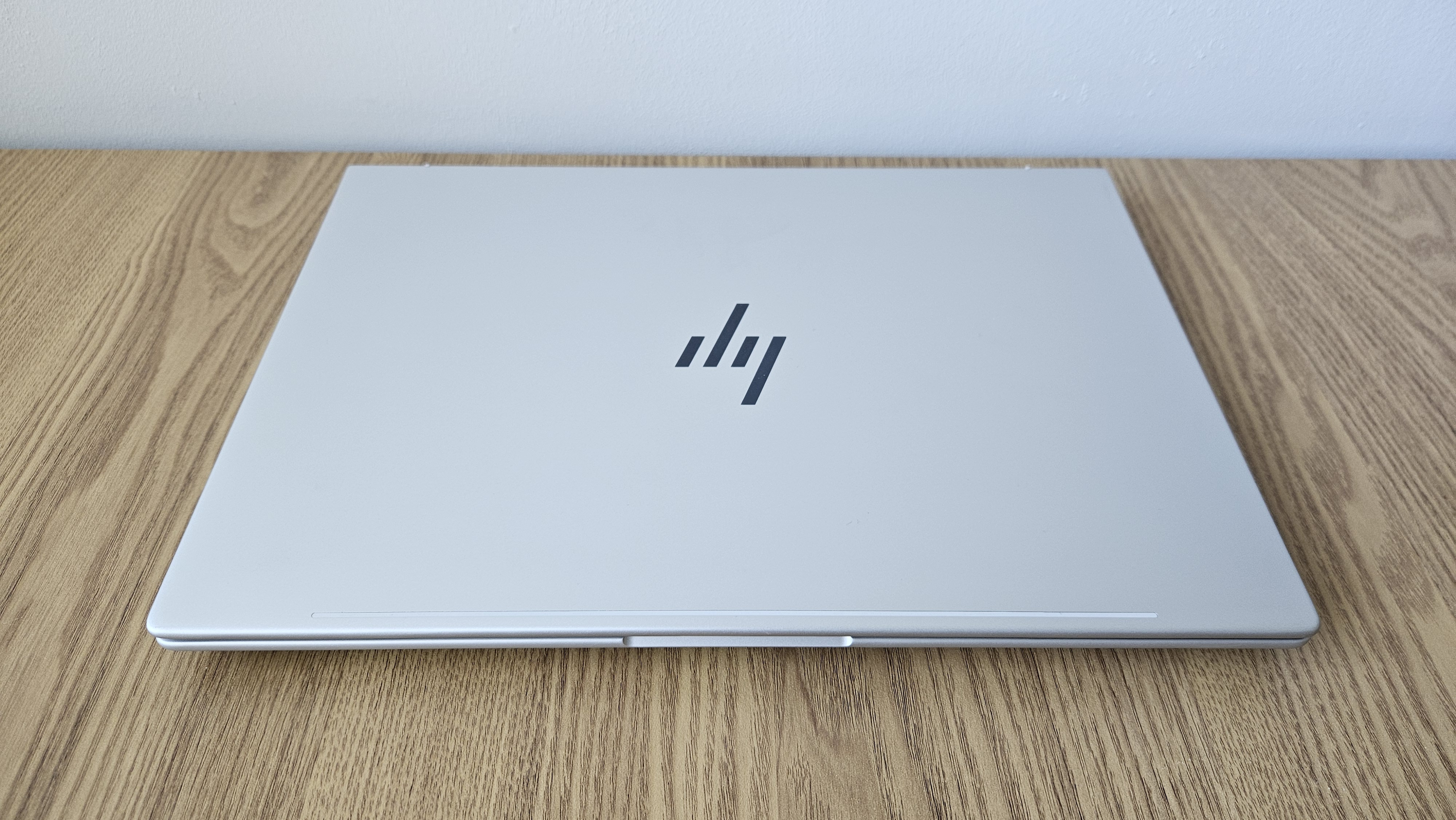 The HP EliteBook 8 G1a 16 is a portable 16-inch machine that'll keep your sensitive data under lockdown – but there's a catch
Reviews This simple and stylish 16in AMD-powered machine can help you work with peace of mind in the office or on the move, so long as you don't need to run many heavy-duty workloads


