Alienware’s new gaming laptop is a kick in the teeth for Intel’s new CEO
Et tu, Michael?
Pat Gelsinger must be feeling somewhat conflicted right now. Although his tenure as CEO of VMware saw occasional moments of tension over the company’s independence from parent firm Dell Technologies, the relationship between the two organisations was a fruitful one, and when Gelsinger left the business, the split appeared amicable enough. However, it seems Dell may be taking its dumping a bit more harshly than expected.
The company has this week announced it’s launching a series of AMD-powered laptops for the first time in over a decade. The company’s mainstream gaming line will be graced by the new Dell G15 Ryzen Edition, while PC gaming subsidiary Alienware will also be refreshing its mighty m15 laptop to feature a Ryzen chip. As the company’s vice president of product management for its gaming division, Vivian Lien, pointed out in a blog post, the last time Dell and AMD collaborated on a gaming laptop, Halo 3 was still on shelves.
If anything, you’d expect a top exec from one company moving to the helm of one of its closest partners to result in a deepening of ties between the two, but Dell’s recent announcement seems to indicate the opposite; “Powering today’s blockbuster games requires serious performance,” Lien writes, “and very few know what that requires better than our friends at AMD”.
Intel would presumably offer the counter-argument that its chips power almost everything else in Dell’s laptop line-up, gaming-focused or not – and while that’s technically correct, this will doubtless be a bruising blow for the company. Much like the pornography industry, gamers usually act as a bellwether for the mainstream tech sector, and this move indicates that Intel’s stranglehold over the CPU market is rapidly waning.
The company has been losing ground in the desktop enthusiast sector for some time, but until now, pre-built gaming machines and laptops have still been largely Intel-based. The fact that Dell is introducing a Ryzen-based machine – and with some amount of fanfare to boot – suggests that this may not be the case for long.
If Gelsinger wants to pump the brakes on this process, then he’ll need OEM partners like his former boss on his side. Trust is a fragile thing, not easily regained once it’s been lost, and the main reason that AMD is only just starting to come back to prominence after several years of outstanding chip performance is that Intel was far more trusted by OEMs as a dependable option. If that trend is reversing, the last thing Gelsinger needs is one of the biggest PC manufacturers in the game deserting him – especially one that he was previously so deeply involved with.
Happily for Pat, there’s still time to fix this. Dell is likely using this launch as a litmus test for the introduction of more AMD-powered machines, to measure the market’s appetite for a wider rollout. A similar trend can be observed in the company’s server lineup; Dell has been scaling up its Epyc portfolio since 2018, and while the majority of its servers are still Xeon-based, the ratio is getting more even by the year. If Dell follows a similar pattern with its gaming business, it will take until at least 2023 before AMD-powered laptops are a significant part of its range.
Sign up today and you will receive a free copy of our Future Focus 2026 report - the leading resource for IT decision-maker insight on priorities and investment areas in AI, security and more.
This gives Gelsinger a reasonable (if not comfortable) window to get Intel’s R&D back on track and deliver the kind of engineering gains that might stop AMD’s encroachment into the fiefdom Intel has carved out for itself. It only remains to be seen if this will be the kind of breakup that results in mutual growth, or if Intel will be doing the professional equivalent of leaving Dell tearful 3am voicemails in two years’ time.
Adam Shepherd has been a technology journalist since 2015, covering everything from cloud storage and security, to smartphones and servers. Over the course of his career, he’s seen the spread of 5G, the growing ubiquity of wireless devices, and the start of the connected revolution. He’s also been to more trade shows and technology conferences than he cares to count.
Adam is an avid follower of the latest hardware innovations, and he is never happier than when tinkering with complex network configurations, or exploring a new Linux distro. He was also previously a co-host on the ITPro Podcast, where he was often found ranting about his love of strange gadgets, his disdain for Windows Mobile, and everything in between.
You can find Adam tweeting about enterprise technology (or more often bad jokes) @AdamShepherUK.
-
Is your data ready for the AI rush? Questions IT leaders should ask before scaling AISponsored IT leaders face an array of considerations when embarking on an AI initiative, but what areas should they prioritize?
-
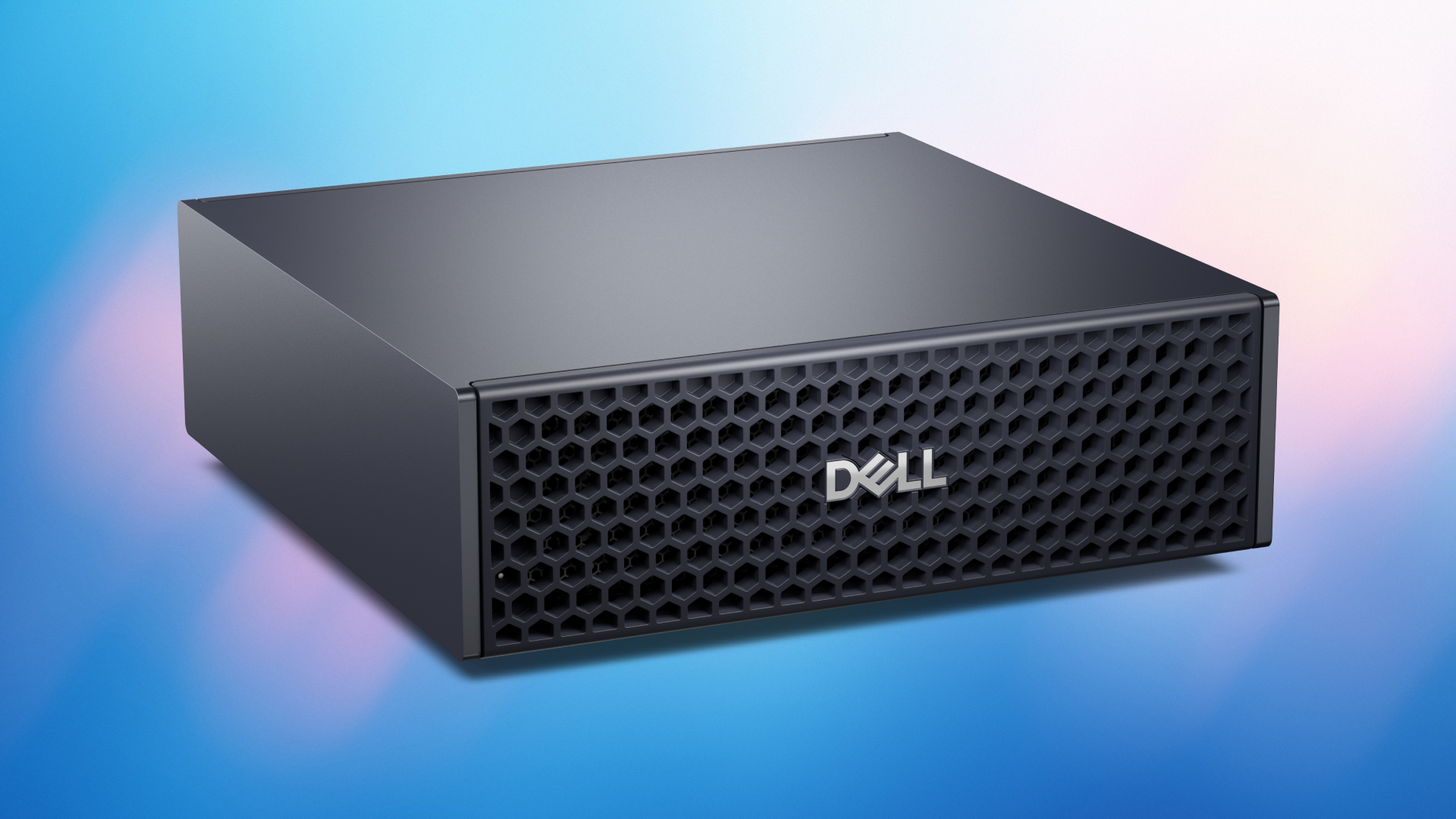
8 reasons the NVIDIA-powered Dell Pro Precision with GB10 could become every AI developer’s favorite toolSponsored How Dell Pro Precision with GB10 puts frontier-level AI compute on your desk (and could save you money on token spend)
-
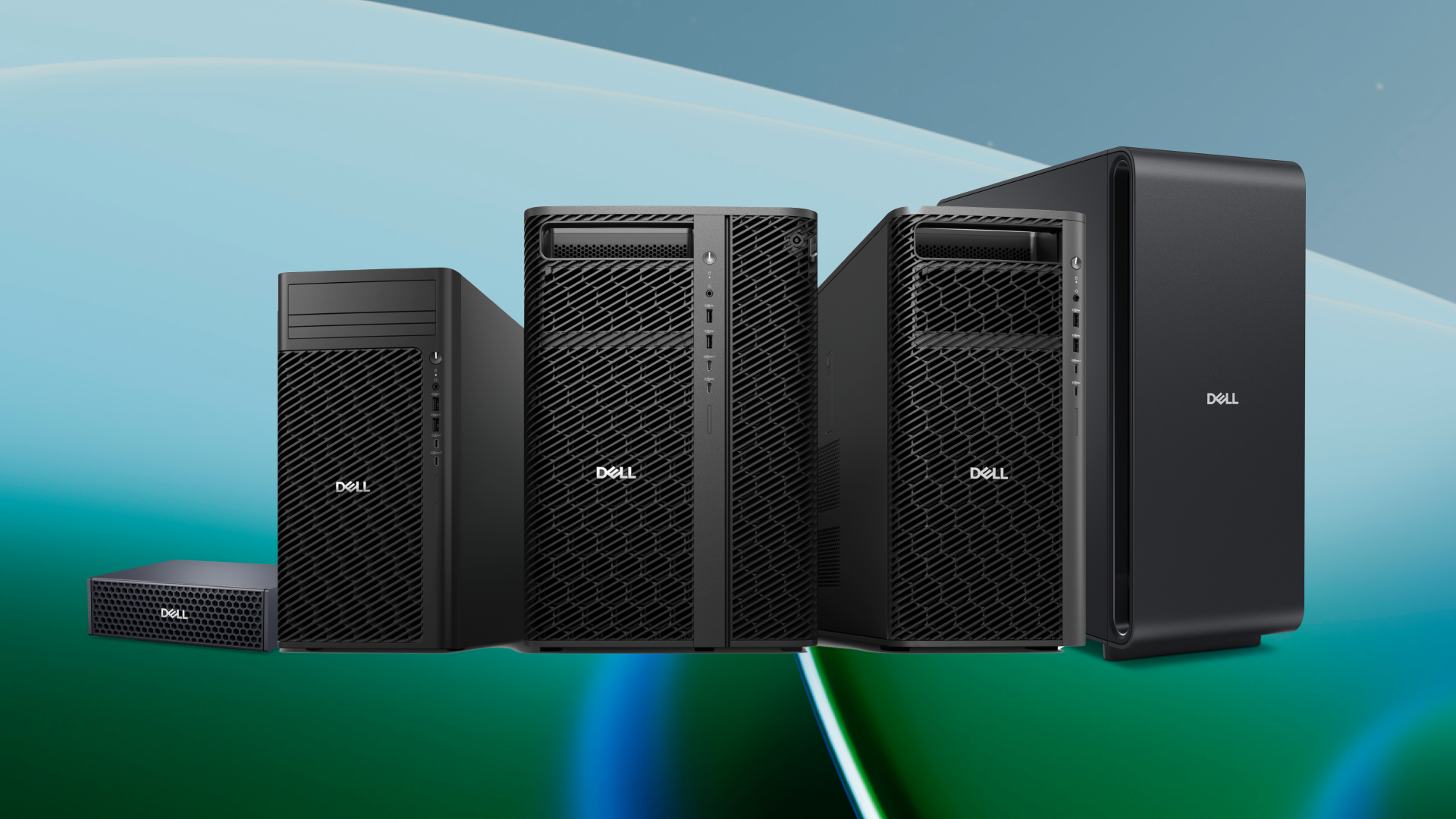
$3k a day on tokens? Dell’s deskside agentic AI Accelerators will save you money on AI developmentSponsored Enterprises are facing rising AI bills, but it doesn’t have to be that way
-
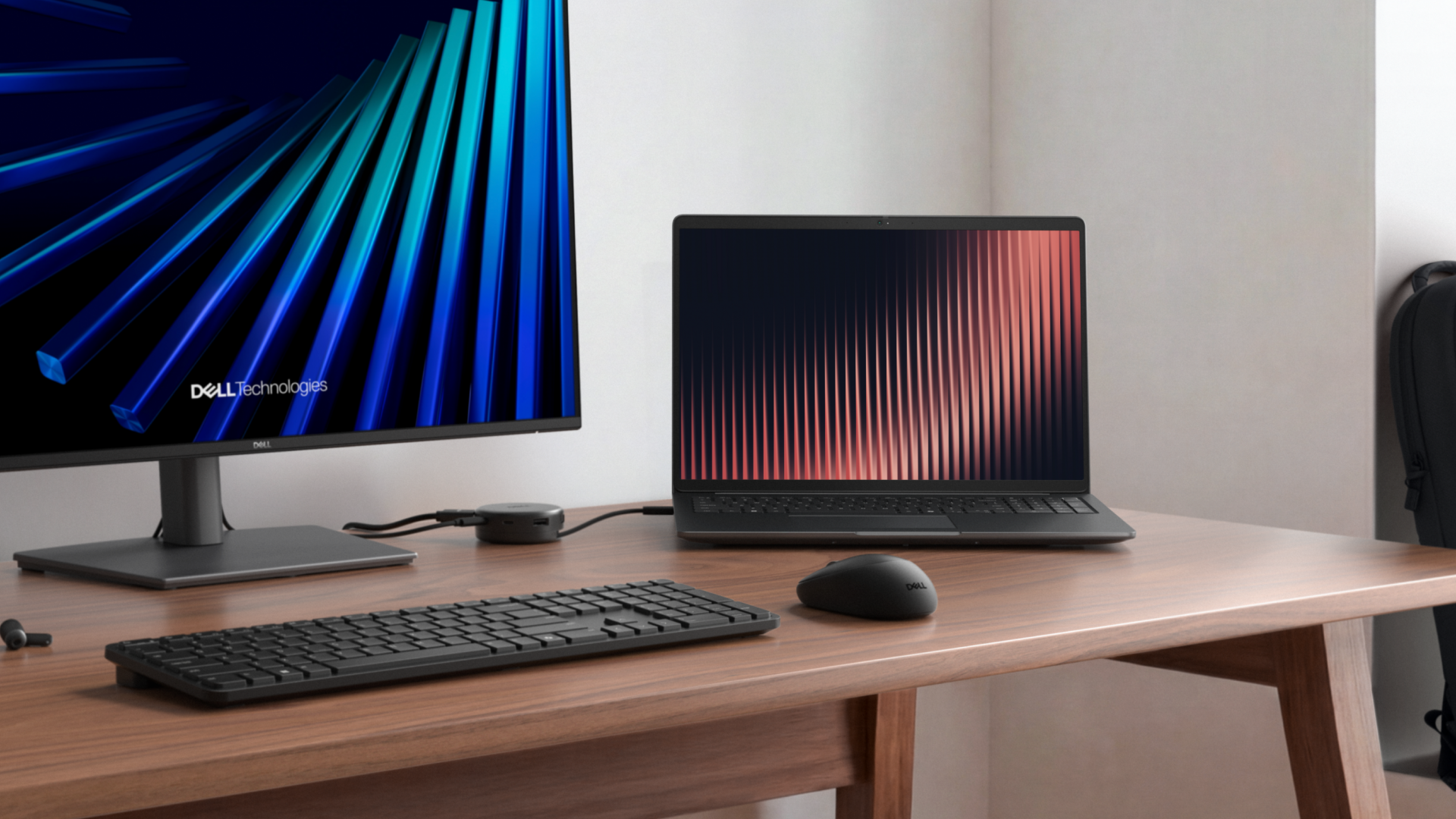
Dell Pro 5 or Dell Pro 7? How to choose the right laptop for your employeesSponsored Office powerhouse or master of mobile working? The choice is yours. Find out if you should buy the Dell Pro 5 or Dell Pro 7 for your business
-
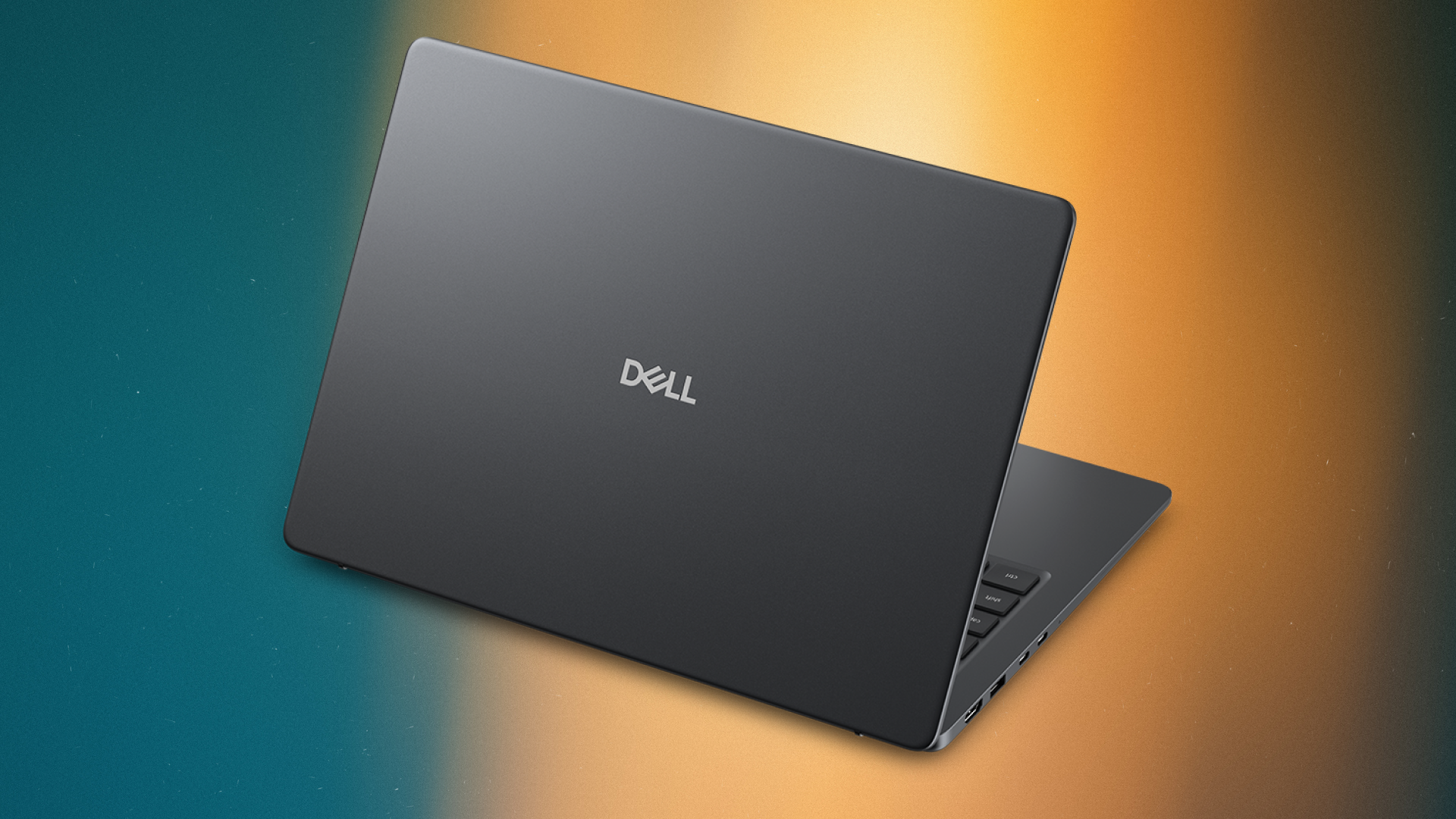
How the Dell Pro 5 & Dell Pro 7 laptops add a layer of security for better hybrid workingSponsored Secure your hybrid workforce with Dell Pro laptops, featuring robust silicon-level hardware protection that safeguards critical data below the operating system
-
5 reasons every AI team needs a deskside agentic AI accelerator like the Dell Pro Max with GB10Sponsored The Dell Pro Max with GB10 can help enterprises kickstart and scale their agentic AI adoption journey
-
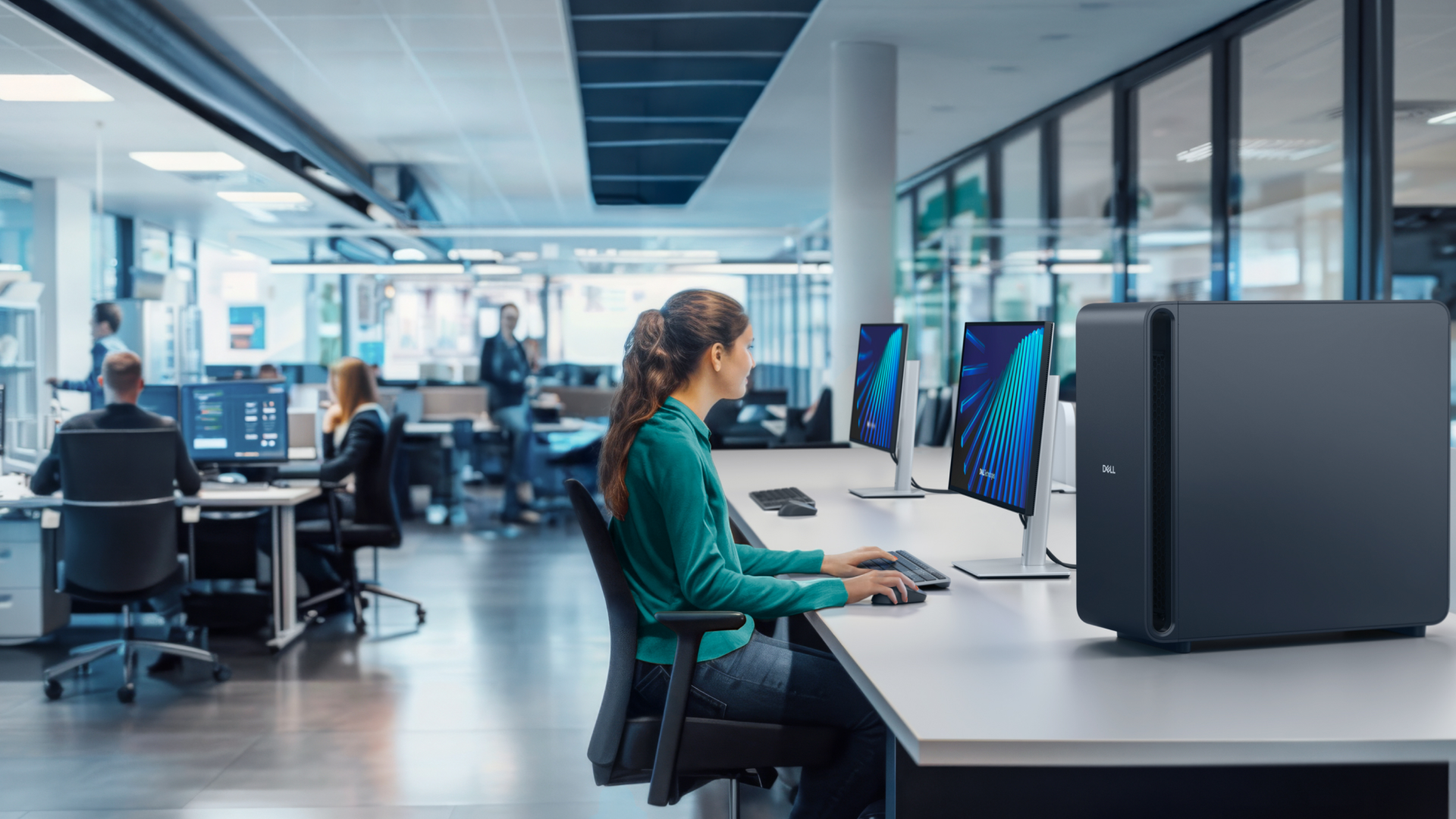
Dell’s NVIDIA-based AI powerhouses compared: The Dell Pro Max with GB10 versus the Dell Pro Max with GB300Sponsored The Dell Pro Max with GB10 and GB300 workstations are the perfect devices to help supercharge AI innovation
-
AI on the edge: 5 reasons to add a deskside AI accelerator like the Dell Pro Max with GB10Sponsored The Dell Pro Max with GB10 series brings high-performance compute straight to your desk