
Microsoft warns of "massive" phishing campaign using Excel macros
The emails claim to be coronavirus-related, but attachments attempt to hack into PCs and take control
Microsoft has warned of a "massive" phishing campaign that uses coronavirus-themed emails to deliver attachments containing malicious Excel 4.0 macros.
These malware-laced emails, which have the subject line “WHO COVID-19 SITUATION REPORT," claim to come from the Johns Hopkins Center for Health Security, according to Microsoft.
"The COVID-19 themed campaign started on May 12 and has so far used several hundreds of unique attachments,” the company's Security Intelligence team announced in a series of urgent tweets.
Introducing Excel & PowerPivot Microsoft re-issues Excel patch Excel for iPad: Top 11 tips Ann Summers drops Excel for better management
If opened, the email’s attached Excel files will show a security warning and graph purporting to display coronavirus cases in the US. But if they’re allowed to run, the malicious Excel macros will download and run NetSupport Manager, a popular remote access tool that Microsoft’s security team says “is known for being abused by attackers to gain remote access to and run commands on compromised machines.”
The phishing attack then connects to a server that sends commands to the hacked PC.
“For several months now, we’ve been seeing a steady increase in the use of malicious Excel 4.0 macros in malware campaigns,” Microsoft warned. “In April, these Excel 4.0 campaigns jumped on the bandwagon and started using COVID-19 themed lures.”
This is the second time in two months that Microsoft has sounded an alarm about cybercriminals taking advantage of the ongoing coronavirus crisis to trick users into downloading malware onto their devices.
Sign up today and you will receive a free copy of our Future Focus 2026 report - the leading resource for IT decision-maker insight on priorities and investment areas in AI, security and more.
In April, Microsoft’s Security Intelligence team publicly warned of “prolific” hackers using Trickbot malware. Posing as the “USA Volunteer Organization” and the “USA Humanitarian Group,” hackers sent out hundreds of emails purporting to offer free coronavirus medical advice. Instead, those emails aimed to install malware via attachments.
To avoid raising red flags, phishers aren’t putting malicious URLs in emails, Microsoft recently warned on Twitter. “Instead, they leverage legitimate web services or use attachments that contain the link to the phishing site,” the company said.
There are multiple ways to launch a phishing attack, but email has become the platform of choice. It’s incredibly cheap to send messages to thousands of recipients, and at such a scale the scam only needs to fool a handful of victims to be lucrative.
You can avoid falling victim to these attempts by following our 10 quick tips for identifying phishing emails.
-
Faking it: how to prevent ‘performative AI’ use in the workplaceIn-Depth Workers should be able to voice uncertainty to leaders as research shows some are exaggerating AI skills out of fear of losing their jobs
-

Need a fleet of solid Windows business laptops? Modernize with the Dell Pro 3Sponsored Aging laptops can nix a small business’s efficiency and productivity, but the Dell Pro 3 can help bring you up to date
-
Microsoft to face UK competition probe over business software practicesNews The tech giant could be designated with strategic market status, meaning it holds undue sway over the UK software ecosystem
-
Microsoft Excel is still alive and kicking at 40 – and it's surging in popularity as 82% of finance professionals report ‘emotional attachment’ to the spreadsheet softwareNews A recent survey found Gen Z and Millennial finance professionals have a strong “emotional attachment” to Microsoft Excel
-
Microsoft Office 2016 and 2019 are heading for the scrapheap next month – but there could be a lifeline for those unable to upgradeNews The tech giant has urged Office 2016 and Office 2019 users to upgrade before the deadline passes
-
Microsoft touts new Copilot features in Excel, but says you shouldn’t use them if you want accurate resultsNews Microsoft has warned against using new AI features in Excel for “tasks with legal, regulatory, or compliance implications” – so when can you use it?
-
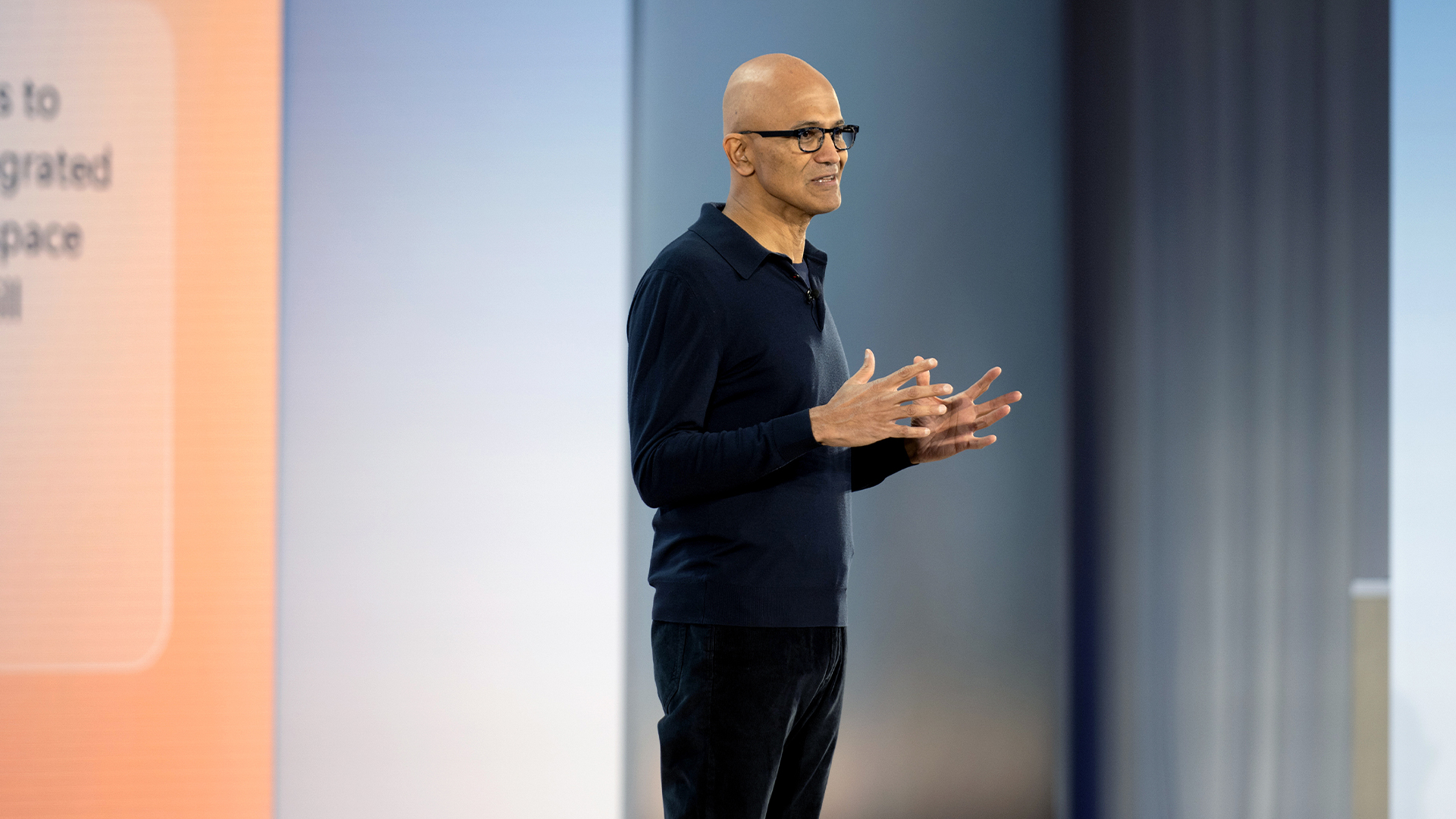
‘The entire forecasting business process changed’: Microsoft CEO Satya Nadella says Excel changed the game for enterprises in 1985 – he’s confident AI tools will do the sameNews The Microsoft CEO says we need to change how we measure the value of AI
-
Microsoft dismisses claims it’s using Word and Excel data to train AINews Reports circulated from users that the firm had quietly introduced an opt-out feature on its training policy
-

Excel for the web just got a big makeover – and it’s a lot easier to useNews Microsoft has updated the web version of Excel, adding a bunch of handy features that should make reading and editing spreadsheets a breeze
-
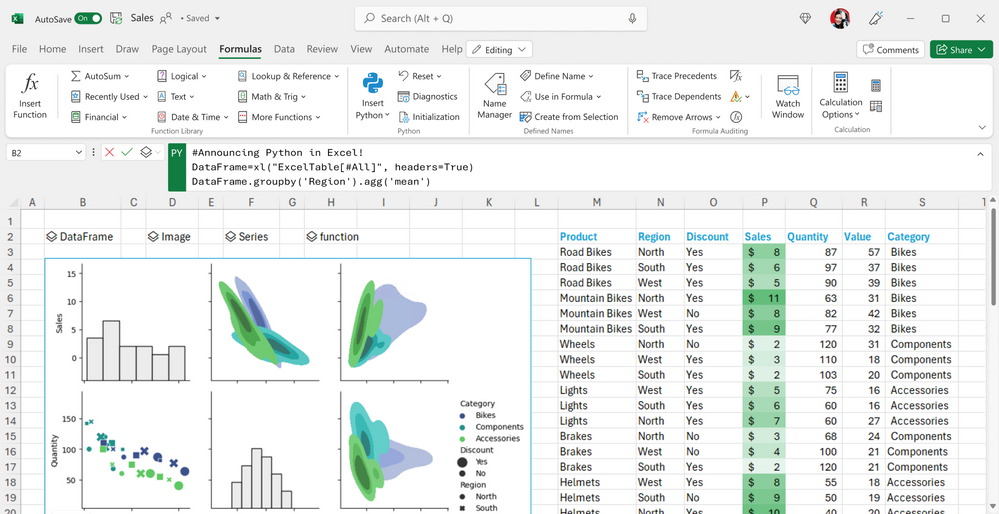
Excel now lets you use Python natively for streamlined data analysisNews Microsoft hopes the popular programming language could enable better insights across the workforce