AMD Epyc processors will power Singapore’s new supercomputer
The supercomputer is planned to be fully operational by 2022 and will have a performance of 10 petaflops


AMD's Epyc 7003 series processors will power a new supercomputer at the National Supercomputing Centre (NSCC) Singapore which is set to aid scientific research.
The system will be based on the HPE Cray EX supercomputer and will use a combination of AMD’s Epyc 7763 and Epyc 75F3 processors. The supercomputer is planned to be fully operational by 2022 and is expected to have a peak theoretical performance of 10 petaflops, eight times faster than the NSCC’s current HPC resources.
Researchers will use the system for scientific research across biomedicine, genomics, diseases and climate.
“AMD Epyc processors are the leading choice for the HPC research that makes an impact on the world, and that’s why they have been chosen to power Singapore’s most powerful supercomputer,” said Ram Peddibhotla, corporate vice president, AMD Epyc product management.
“We’re excited to work with HPE and the National Supercomputing Centre Singapore to help unlock scientific discoveries across medicine, diseases, climate, engineering and more.”
Last month, HPE was selected to build the new supercomputer for the NSCC Singapore and was awarded a $40 million SGD (£22 million) contract to do so. Along with HPE and AMD’s technology, the system will utilise 352 Nvidia A100 Tensor Core GPUs for HPC and AI workloads.

MLOps 101: The foundation for your AI strategy
What is MLOps and why do you need an MLOps infrastructure?
The system will also be housed in a data centre reportedly designed to increase sustainability and reduce energy consumption, with liquid-cooling capabilities to increase energy efficiency and power density by transferring heat generated by the new supercomputer with a liquid-cooled process.
Last week, the head of the country’s bank, Ravi Menon, warned that Singapore must continue to depend on foreign workers to fill roles in its tech sector over the next few years, or risk impairing the competitiveness of its financial centre and the creation of jobs. He underlined the need to build a strong local tech talent pipeline in the next few years too, which would involve the government, financial institutions and individual backers coming together.


-
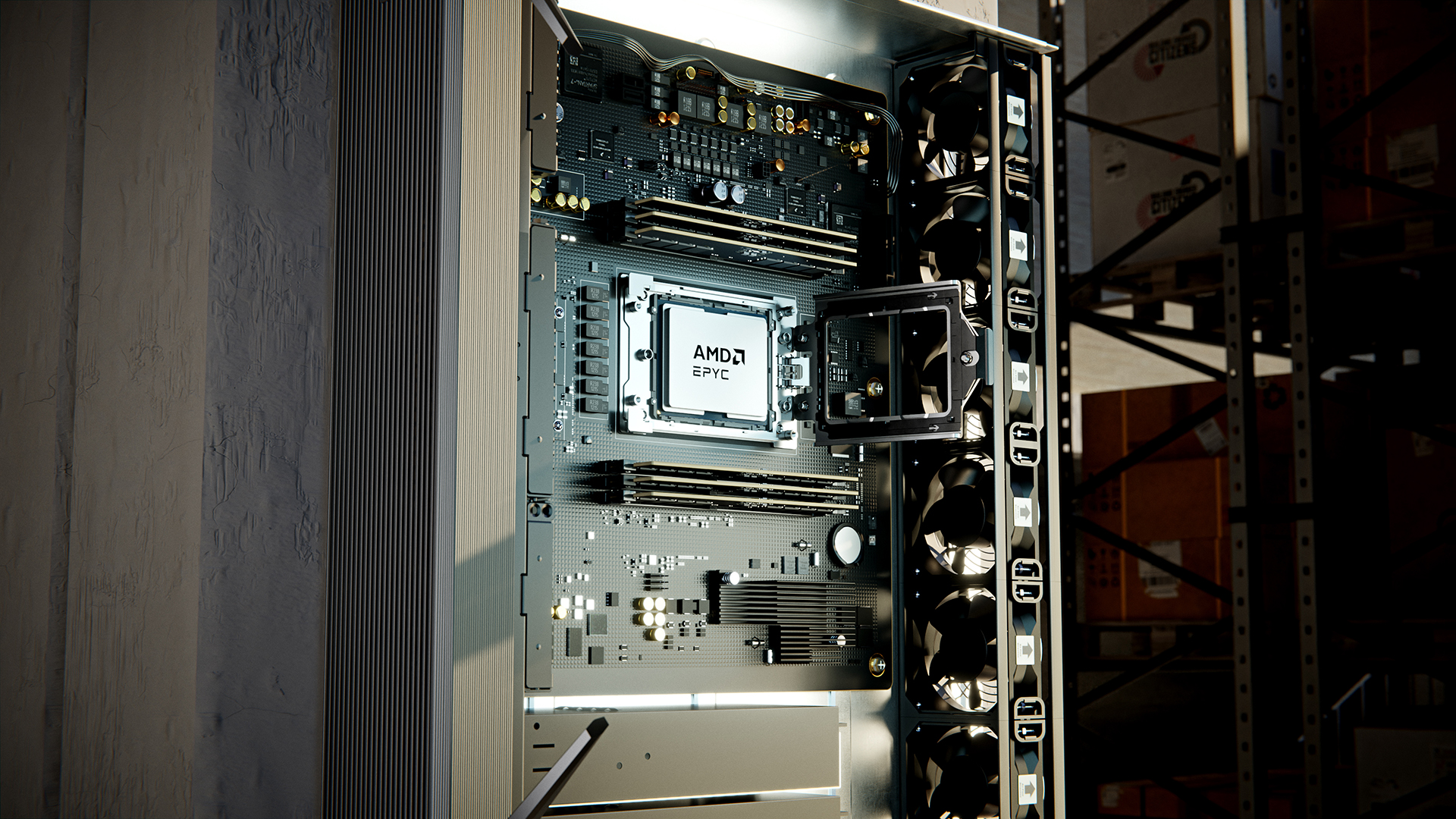 How AMD EPYC CPUs and AMD Instinct GPUs are powering the world's HPC facilities
Sponsored AMD offers powerful chipsets for AI and traditional HPC workloads, including native FP64 support
-
 Sovereign infrastructure spend to triple in Europe as fifth of workloads stay local
News Gartner says global spending on sovereign cloud infrastructure will climb 35% over the next year
-
 AWS pledges $50 billion to expand AI and HPC infrastructure for US government clients
News The company said an extra 1.3 gigawatts of compute capacity will help government agencies advance America’s AI leadership
-
 US Department of Energy’s supercomputer shopping spree continues with Solstice and Equinox
News The new supercomputers will use Oracle and Nvidia hardware and reside at Argonne National Laboratory
-
 SAP wants to take data sovereignty to the next level with new 'on-site' infrastructure options
News The cloud computing giant will allow customers to host SAP-managed infrastructure directly within their own facilities
-
 Majority of English data centers use less water than a 'typical leisure center' as operators embrace new cooling methods
News England’s data centers are surprisingly efficient when it comes to water consumption
-
 AI tools are a game changer for enterprise productivity, but reliability issues are causing major headaches – ‘everyone’s using AI, but very few know how to keep it from falling over’
News Enterprises are flocking to AI tools, but very few lack the appropriate infrastructure to drive adoption at scale
-
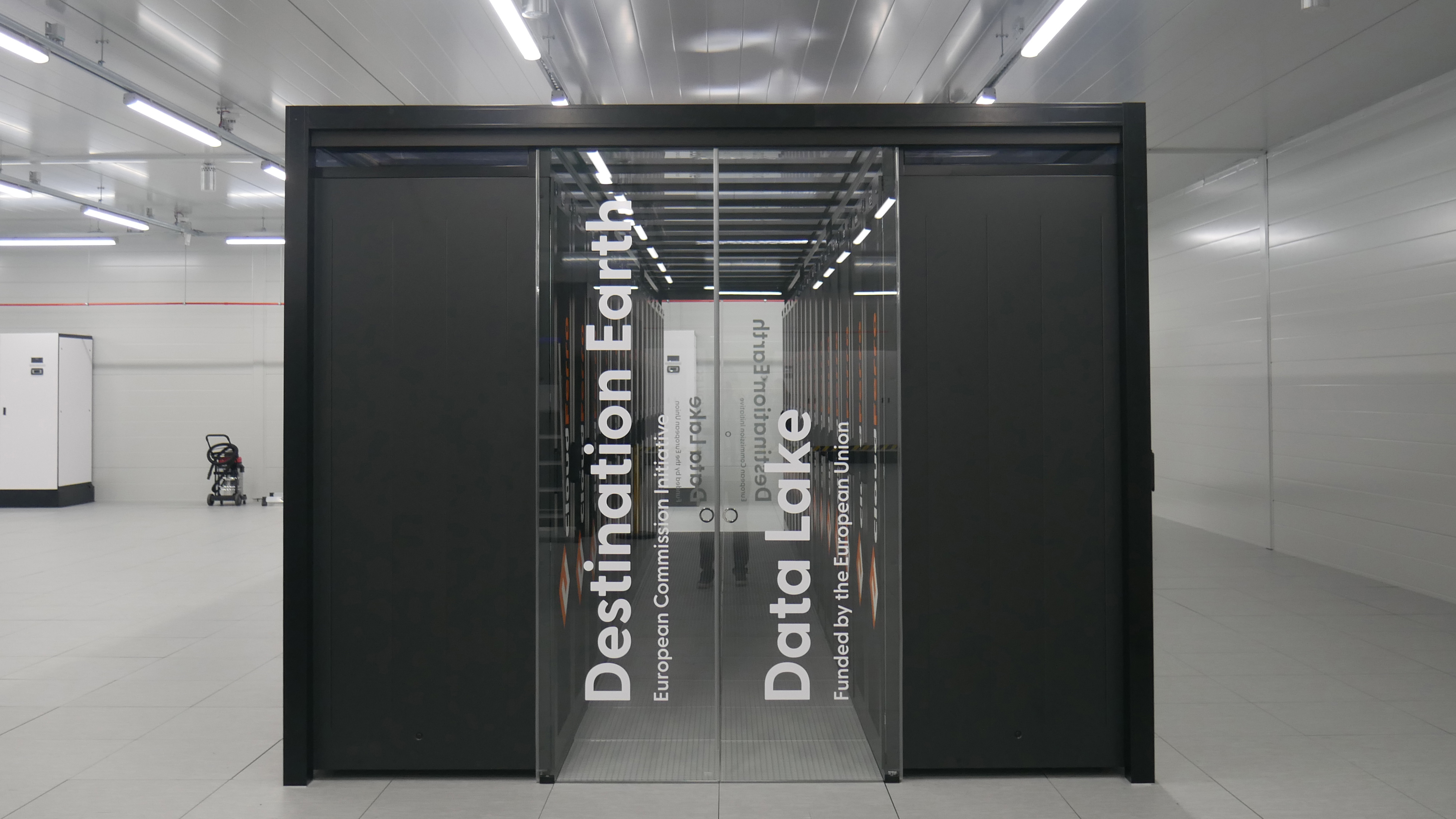 Destination Earth: The digital twin helping to predict – and prevent – climate change
Supported How the European Commission is hoping to fight back against climate change with a perfect digital twin of our planet, powered by Finland's monstrous LUMI supercomputer


